


Moncton cannabis acquittal: Shocking court verdict revealed
The Moncton cannabis acquittal is making major waves across the Canadian cannabis community. With legalization still sparking plenty of debate, this recent verdict shines a light on emerging gaps, evolving attitudes, and courtroom controversies in Atlantic Canada. For patients, advocates, and industry players, the decision marks a pivotal moment—one that raises questions about enforcement, civil rights, and the evolving relationship between law and legalization. Today, let’s break down exactly what happened, why it matters right now, and what ripple effects the Moncton cannabis acquittal could have for everyone from everyday consumers to policymakers.
Cannabis Laws in Context: The Regulatory Backdrop of the Moncton Cannabis Acquittal
Understanding the implications of the Moncton cannabis acquittal means zooming out to Canada’s cannabis landscape. Since the Cannabis Act legalizing recreational use in 2018 (Justice Canada), provinces have tweaked enforcement and retail rules, sometimes leaving gray zones. New Brunswick, home to Moncton, has maintained tough enforcement on unlicensed distribution despite legal retail stores and online sales run by Cannabis NB, the province’s own retailer. However, personal possession remains legal within set limits, and the law continues to evolve.
Yet, according to CBC News reports, enforcement can still be uneven, and public confusion abounds. Many residents struggle with where, when, and how cannabis can be enjoyed without legal trouble. Much like the regulatory questions faced in smaller communities after major incidents, such as those discussed in this Kansas case involving a drug arrest and cannabis reform, the complexities in Moncton create tension between police, courts, and citizens, especially in cases that push the boundaries or where allegations of civil rights violations emerge.
What Happened in Moncton: Key Developments and Issues
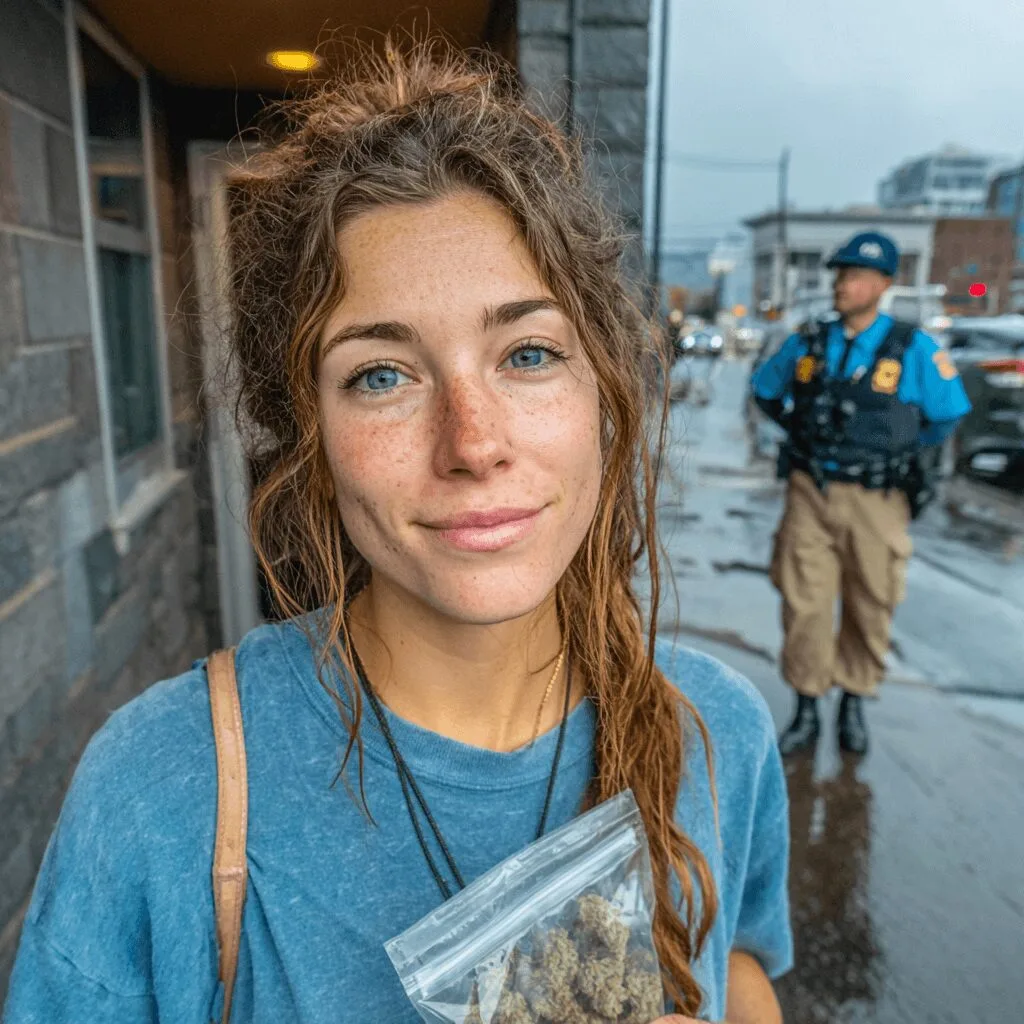
Let’s get into the details behind the Moncton cannabis acquittal. According to TJ News’ original article, the case centered on a Moncton woman who faced legal charges over cannabis possession. During the trial, allegations surfaced that a member of the RCMP involved in enforcing the case had himself been accused of sexual assault, raising fresh questions about conduct, credibility, and the intersection of law enforcement and community trust.
On the date of the courtroom decision, the judge found that the evidence did not support a conviction on the cannabis charge, which resulted in a full acquittal. The court’s surprise verdict was delivered publicly, both relieving the accused and igniting new public debate. These issues around public debate are reminiscent of moments of social change, like the emotional policies and dismissals in sports that stir wider conversations about rights and responsibilities, for example recent debates over the dismissal of athletes due to marijuana policies.
Key issues highlighted include the inconsistent handling of enforcement, the real-life impact on individuals (especially women), and the responsibility of officers entrusted with upholding Canadian cannabis laws. These are not small details, and they cut straight to the heart of current discussions about justice and community trust in cannabis policing, as outlined in major news sources like The Globe and Mail.
Expert Analysis: What Does the Moncton Cannabis Acquittal Mean?
The Moncton cannabis acquittal reveals more than a single legal victory, it exposes ongoing friction in cannabis regulation and enforcement. This decision lands at a time when most Canadians support legalization, but implementation still lags behind public sentiment in many pockets. Industry leaders point out that, as noted by Leafly, stigmatization, police discretion, and social justice issues often linger after legalization. Further, oral drug testing devices are shifting how law enforcement interacts with cannabis users in some regions, as highlighted by recent changes in police protocols in other jurisdictions.
As ethical concerns about enforcement persist, many experts are calling for deeper reforms. Dr. Daniel Bear, policy researcher and author at Cannabis Cultivation Research, puts it this way: “Acquittals like Moncton’s send a clear message that it’s time to rethink how we treat low-level cannabis cases, and reinforce the need for community-based solutions over police crackdowns.” The Moncton cannabis acquittal isn’t just a quirk of local courtroom drama, it’s symbolic of a growing movement to defend civil rights and demand smarter, fairer policies, especially for marginalized communities who often bear the brunt of over-policing.
The real story here isn’t just the acquittal, but the call to action for lawmakers, and for the cannabis community to keep pushing for clarity, equity, and accountability—as is happening in other cities with historic and cultural ties to cannabis, such as the ongoing discussion about the city’s cannabis legacy in San Francisco.
The Road Ahead: Cannabis, Courts, and Social Change Beyond Moncton
The Moncton cannabis acquittal isn’t just about one woman’s courtroom victory—it’s proof the cannabis movement has momentum that won’t be stopped. Across Canada, support for legal reform and clearer enforcement guidelines is rising, with recent studies showing stable or growing acceptance since legalization in 2018. Future success depends on keeping legislators focused and continuing to call out uneven enforcement when it happens. For now, Moncton’s story offers hope. It suggests that, step by step, real change is coming as courts, communities, and everyday consumers demand the fair treatment cannabis—and its people—deserve.
Originally reported by: tj.news