


Kansas THC enforcement: Updates & Insights from the KBI Director
If you’ve been keeping tabs on America’s cannabis landscape, you know Kansas isn’t exactly Colorado. But right now, the buzz around Kansas THC enforcement is louder than ever. Ongoing policy shifts, a rapidly evolving hemp/THC market, and a state-level uproar over enforcement priorities have collided after the Kansas Bureau of Investigation (KBI) Director took to the media to defend agency actions and share some big plans. This moment matters—as Kansas faces public scrutiny on cannabis, law enforcement transparency, and what the future of local THC policy should look like. Let’s get right into what’s happening and unpack the real-world impact for Kansans and the wider cannabis community.
Behind the Headlines: Kansas THC Enforcement Background & Context
Kansas is one of the last strongholds when it comes to hardline cannabis regulation. While many Americans can legally light up, or at least use medical cannabis, Kansas law still classifies all forms of marijuana as illegal, including products with THC levels even slightly above 0.3%. That technicality matters. Under the 2018 U.S. Farm Bill, hemp products are federally legal if they contain less than 0.3% delta-9 THC. But Kansas authorities have pressed the issue further, zeroing in on trace levels and gray-area products that are commonplace in nearby legal markets. Socially, the state sits at a crossroads—polls show that the majority of Kansans support some form of cannabis reform, but the legal system hasn’t caught up. Market pressure from neighboring recreational states and ongoing local debates about medical access, or enforcement fairness, as well as the impact of events like community emergencies surrounding cannabis infrastructure demonstrate just how closely public safety and cannabis regulation are intertwined, keeping Kansas THC enforcement in the public eye. Even law enforcement agencies are under a microscope, facing heated questions about resource allocation, priorities, and the role of the KBI as the cannabis industry keeps evolving.
Key Developments: What’s New in Kansas THC Enforcement?
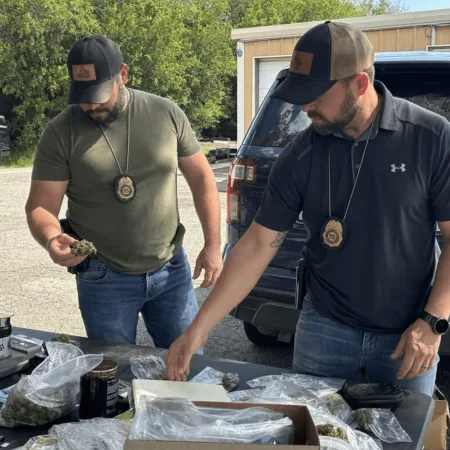
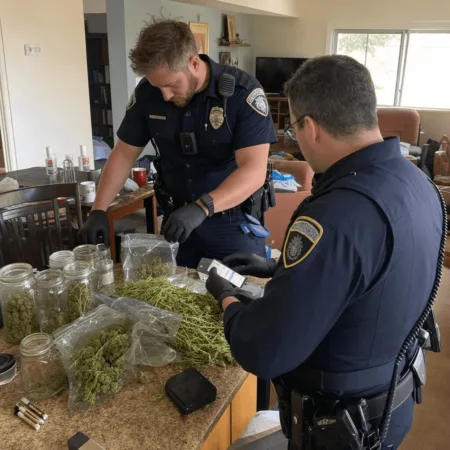
Let’s break down the latest moves. On October 27, 2025, KBI Director Tony Mattivi publicly defended his agency’s approach to Kansas THC enforcement in a must-watch interview with WIBW. This direct statement followed weeks of rising criticism from local advocates, small business owners, and lawmakers who allege inconsistent crackdowns on hemp-derived THC products. Mattivi insisted that KBI’s efforts focus squarely on upholding existing state law—not on targeting consumers or pushing political agendas. In that same interview, the KBI announced a planned headquarters relocation in 2025, signaling both operational expansion and a nod to modernizing the agency’s approach to statewide crimes. This all aligns with the Kansas Attorney General’s push for tighter rules and renewed efforts to clarify the distinction between federally legal hemp and marijuana still considered illegal under Kansas law. For shop owners, patients, and even local police, the core question persists: how should Kansas respond to hemp-derived intoxicants, and does the law truly reflect public will or current science? Recent controversy over THC-infused beverages further tests lawmakers, who have faced shocking new challenges as novel products enter the Kansas market, underscoring how rapidly enforcement questions are evolving.
Expert Analysis: Insights and Counterpoints from Cannabis Pros
So, what does all this mean for the real cannabis market and Kansas THC enforcement? In the larger regulatory chess game, Kansas is clearly cautious, maybe to a fault. The push for rigid enforcement flows directly from the legal gray zones in state code and federal guidelines. Yes, maintaining strict lines can keep populations safe from untested products, but it can also chill innovation and cement underground markets. As Leafly columnist David Downs says: “States that play catchup on reform tend to spend more money and lose out on both public health and industry investment. If Kansas wants to modernize, they need enforcement aligned with science, not just fear.” Clearly, the KBI is caught between honoring the law and adapting to industry momentum, but the agency’s openness to public questions may bring positive change. Notably, most regional regulators are quietly watching for guidance from higher courts, as “marijuana-derived” and “hemp-derived” THC distinctions remain under national debate (Cannabis Business Times). Meanwhile, comparisons to trends among young people—such as what teens really think about cannabis and alcohol—highlight the importance of science-based education alongside enforcement.
Future Outlook: Where Kansas THC Enforcement Goes Next
Kansas THC enforcement is moving from the shadows onto the main stage. While entrenched attitudes might slow reform, historic pressure—from inside and outside Kansas—is mounting. Expect more robust policy debates and, eventually, smarter regulations as lawmakers, industry leaders, and advocates join forces to bridge state-federal gaps. The move to a new KBI headquarters isn’t just about brick and mortar; it’s a symbol of evolving priorities. With more states relaxing their laws and studies showing low-risk profiles for regulated THC use (Pew Research), Kansas could soon find itself on the right side of history. As always, real progress means trusting science and listening to those actually impacted by outdated policies. For anyone invested in the cannabis conversation, staying informed—and persistent—remains the best path forward.
Originally reported by: wibw.com
1 Comment
Pingback: Kansas KBI THC enforcement: Director Speaks Out & HQ Update