



Omaha Tribe cannabis commission: Big Changes Ahead?
Right now, the cannabis world is buzzing—and not just from the usual suspects. With the Omaha Tribe cannabis commission moving front and center, we’re witnessing a pivotal moment for tribal sovereignty and cannabis policy in Nebraska. Why does this matter? While the rest of the state faces tough restrictions, tribal governments are stepping up, carving out new paths where legal barriers have stalled progress for years. This move isn’t just shaking up the local scene: it could set a powerful example nationwide, opening doors for fairer cannabis access and new economic opportunities. We’ll break down what’s happening, what’s at stake, and why the Omaha Tribe cannabis commission deserves everyone’s attention—no matter where you stand on the plant.
Understanding the Landscape: Cannabis, Law, and Tribal Sovereignty
The rise of the Omaha Tribe cannabis commission comes at a crossroads for both state and tribal cannabis policy. Nebraska, as NORML reports, remains tough on cannabis, medical marijuana remains illegal, and even simple possession can result in fines or jail time.
Yet, tribal nations hold sovereign authority, according to the U.S. Department of Justice’s 2014 announcement enabling tribes to set their own cannabis policies. Some, like the Oglala Sioux Tribe, have successfully launched their own markets. The Omaha Tribe cannabis commission is pushing for local control, economic empowerment, and health decisions that mainstream politics hasn’t delivered.
On the ground, tribal leaders face tight legal ropes and stiff social headwinds. But as The National Cannabis Industry Association notes, these local movements often spark bigger changes, especially when they involve public safety, economic development, and restorative justice. Communities are already aware of how cannabis regulation can affect youth perspectives, particularly their expectations around use and alcohol, as seen in recent youth studies and analysis.
Inside the Latest Developments: The Omaha Tribe Cannabis Commission Takes Center Stage
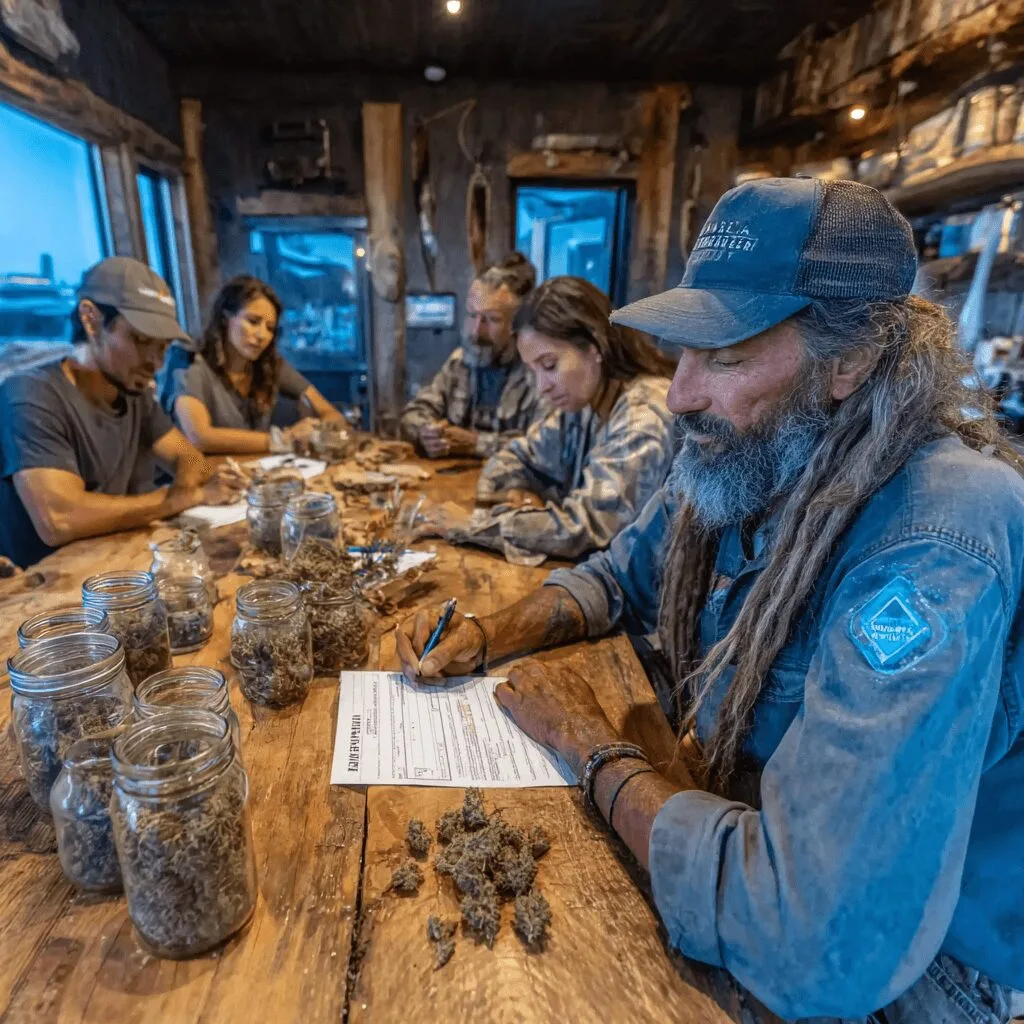
On October 27, 2025, the Omaha Tribe of Nebraska made headlines after holding a milestone meeting to finalize the structure and rules for their own cannabis commission, according to a detailed WOWT news report. Tribal leaders gathered in a modest meeting room, hashing out regulatory frameworks, business licensing, and consumer safety plans.
The core developments included:
- Formally establishing the “Omaha Tribe cannabis commission” as the regulatory authority for all tribal cannabis operations.
- Drafting and reviewing policies for cultivation, processing, testing, and sale of cannabis on tribal lands, distinct from Nebraska’s harsher controls.
- Addressing economic projections, with the commission estimating multiple new jobs and increased funding for healthcare and youth programs if enacted.
- Discussing community input sessions, ensuring members’ voices shape the rules from day one. These sessions aim to prevent conflicts and misunderstandings that sometimes escalate in the industry, like the challenges faced by local retailers after break-ins and high-profile incidents.
The commission emphasized partnerships, transparency, and compliance with existing federal guidance, turning policy talk into real, actionable steps. Tribal council members underscored the importance of local ownership: “This isn’t just about a plant, this is about sovereignty, health, and opportunity for the Omaha people,” said one participant during the meeting.
Cannabis Insight: Industry Analysis & Pro-Cannabis Counterpoints
If you’ve followed cannabis reform, you know these moves echo major industry shifts elsewhere. The Omaha Tribe cannabis commission is opting for local, authentic governance, a trend that Marijuana Moment reports is gaining traction across the Midwest. By crafting a unique regulatory model, the commission is taking a path that sidesteps state-level inaction and aims for regulatory clarity and community trust.
Consider what Steve Fox, a late co-founder of the National Cannabis Industry Association, once stated: “Local control and evidence-driven regulation are the only sustainable future for cannabis. When people craft their own rules, you get buy-in and real innovation.” (Source: NCIA).
There’s also the reality that many tribal nations face high rates of health disparities and economic exclusion, something the Native American Cannabis Association highlights. On the ground, a commission like this means more than jobs: it’s about culturally relevant health and finance solutions, community reinvestment, and dignity. For tribes, labeling accuracy in cannabis products and consumer safety are ongoing concerns, similar to those addressed in recent research on product potency claims.
Sure, there will be hurdles, NV legal fights, political pushback, and operational learning curves. But the Omaha Tribe cannabis commission is leading by example, showing that you don’t need to wait for the feds or statehouse to greenlight progress. By owning the narrative, they’re building trust where outside law enforcement has often failed, and turning economic opportunity into a tool for sovereignty.
A Brighter Path Ahead: Future Outlook for Tribal Cannabis
Looking forward, the Omaha Tribe cannabis commission is poised to make waves inside and beyond tribal lands. By taking a strategic, community-driven approach, they’re not just rolling out a new commodity—they’re redefining what self-determination looks like on their own soil.
With state legislatures nationwide considering similar moves, the Omaha example could inspire neighboring tribes and policymakers to rethink what’s possible. As Leafly notes, tribal cannabis policies often foreshadow bigger changes in state law and help normalize cannabis as a tool for social, economic, and health improvement.
It’s been a rough road for tribal communities left behind by outdated cannabis rules, but the future’s looking bright. The Omaha Tribe cannabis commission isn’t just making history—they’re preparing the soil for broader acceptance, responsible regulation, and hopeful economic change across America’s heartland.
Originally reported by: wowt.com

1 Comment
Pingback: Marijuana Fire Inglewood: Shocking Bags Pulled from Blaze