Psilocybin Mindfulness Depression: Breakthrough Relief Unveiled
Right now, the intersection of psilocybin, mindfulness, and depression is causing a stir, especially among healthcare professionals. Workplace burnout and mental health crises have never been more urgent, forcing fresh looks at alternative therapies. Our story dives into how the “psilocybin mindfulness depression” approach offers promising, science-backed hope — turning heads in both cannabis and mental health communities. New research, regulatory shifts, and societal openness drive this conversation, making psilocybin mindfulness depression a truly hot topic.
Background: Changing Attitudes on Plant-Based Mental Health Tools
Let’s set the scene. Cannabis has laid the groundwork, showing people that natural medicine can have a legit place in mainstream wellness. This vibe shift opened the doors for other ancient, earthy remedies, like psilocybin, the active ingredient in magic mushrooms. Regulatory landscapes are in flux: Oregon blazed trails by legalizing supervised psilocybin therapy, and cities from Denver to Oakland are actively decriminalizing use. According to The New York Times, new legislation confirms there is genuine demand for safe, structured access. At the same time, mindfulness practices have enjoyed steady growth in the healthcare sector, supported by scientific evidence and a cultural craving for less pharmaceutical-heavy options (Psychology Today). For professionals facing chronic workplace stress, this evolution isn’t just trendy, it’s desperately needed. Notably, in states where regulations on cannabis use have undergone major changes, local policy can drive uncertainty and anxiety within the industry, much like the recent oversight shake-ups in South Dakota’s medical marijuana program that sent shockwaves through the market.
Key Developments: Psilocybin Mindfulness Depression Strategy Gains Traction
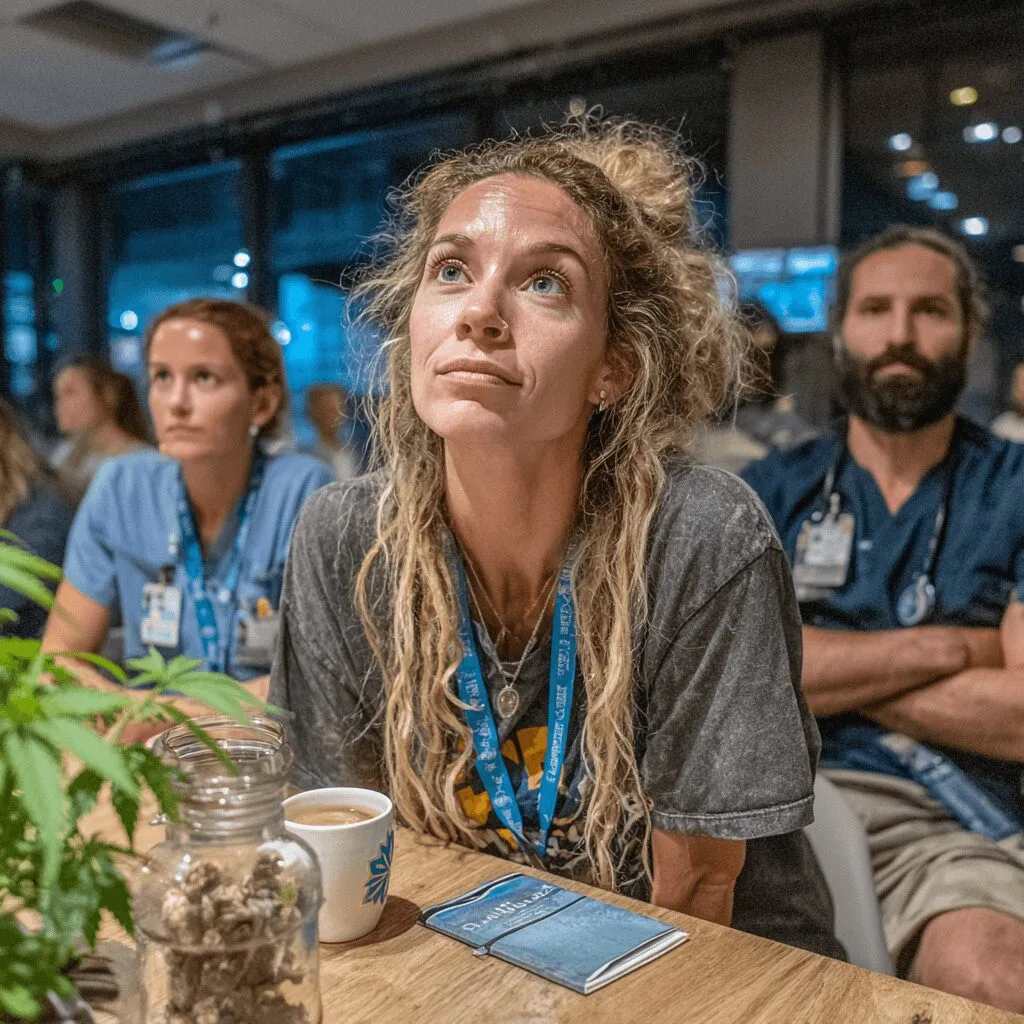
Big news broke recently, shedding light on a targeted approach: combining psilocybin with structured mindfulness as a game-changing intervention for healthcare workers dealing with depression. According to News Medical, the latest clinical study explored how guided psilocybin sessions paired with mindfulness helped burned-out nurses, doctors, and frontline staff. Researchers tracked significant drops in depressive symptoms and functional improvements soon after therapy sessions, and in some cases, the positive effects lingered for weeks or months. Legal hurdles remain—psilocybin is still a Schedule I substance under federal law (DEA)—but state-level pilot programs and legal carveouts make way for further research. These interventions are more relevant than ever, especially as the healthcare system faces ongoing challenges. The trial, running through 2023, used a double-blind, placebo-controlled design to guarantee scientific rigor. Even conservative sources such as STAT News acknowledge the public health need. With regulatory processes rapidly evolving, some states like Minnesota are embracing new models of legitimacy, as seen in novel tribal cannabis compacts that reflect broader changes in policy frameworks for plant-based therapies.
Expert Analysis & Insights: Cannabis Culture Meets Clinical Science
As someone who’s spent years fighting for plant medicine, I see the psilocybin mindfulness depression story as a next-level chapter. The cannabis industry helped set the stage, and now mushrooms are following suit. Dr. Roland Griffiths, a leading psychopharmacology researcher at Johns Hopkins, stated in an interview with Johns Hopkins Public Health: “Psychedelics used in a carefully controlled environment can provide profound relief where traditional treatments have failed.” That’s a significant development, particularly when combined with mindfulness training, which is proven to support mental health outcomes (NIH PMC). Longtime cannabis advocates know plant-based therapies require thoughtful integration and responsible use, not just the pursuit of a trend. Health communities are taking notice of these psilocybin mindfulness depression solutions, including policy-makers who analyze shifting patterns in substance use; recent data indicate that American habits continue to transform with increased marijuana usage compared to traditional cigarette smoking, as observed in national behavioral trends. This growing openness, supported by solid research and informed analysis, mirrors how cannabis overcame hurdle after hurdle before becoming a $30-billion industry (Forbes).
Future Outlook and Conclusion: The Road Ahead
Things are moving fast: with more rigorous clinical data, new state bills, and warm public sentiment, “psilocybin mindfulness depression” is shaping the future of mental health. Cannabis blazed a trail that mushrooms and mindfulness are strutting down—boldly, if sometimes barefoot. As NORML reports, mainstream acceptance and regulatory relaxation keep expanding possibilities. For stressed healthcare pros—or anyone grappling with depression—the blend of psilocybin and mindful self-work could soon be a common prescription, not a subculture secret. We’re witnessing a real moment for plant-powered well-being, with science and society lining up for deeper healing and real relief.
Originally reported by: news-medical.net