





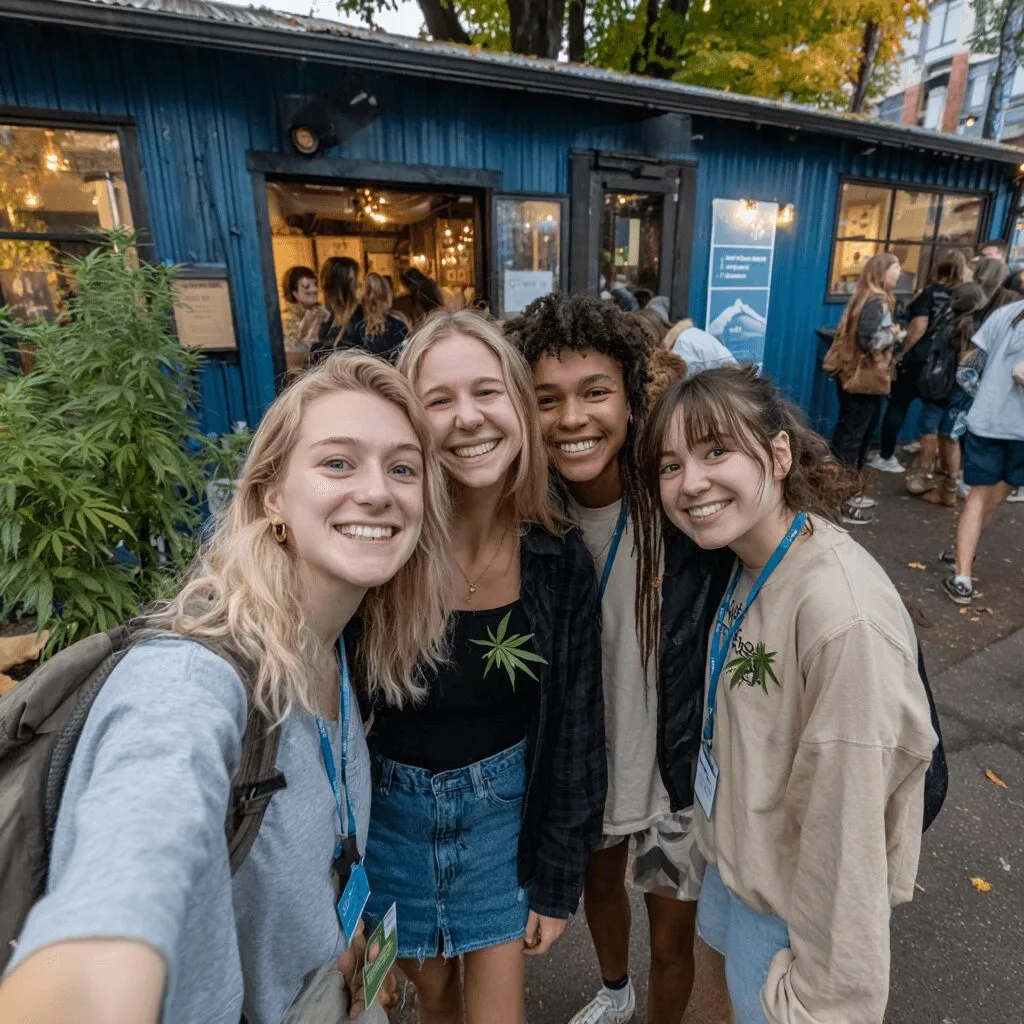
The cannabis industry is changing the game in communities like Auburn, thanks to cannabis community grants. There’s a real buzz (pun totally intended) about how these grants are creating direct, positive impact for local organizations and youth programs. As cannabis becomes more mainstream, new funding streams are opening doors that never existed before. It’s not just about legalization—it’s about real investment in people and places that need it most. In this article, you’ll get the scoop on what cannabis community grants mean for Auburn, the regulatory currents behind them, the latest news, and why this shift matters for everyone who cares about social justice and opportunity.
Understanding the Landscape: Regulatory Roots, Social Forces Driving Cannabis Community Grants
If you’ve followed cannabis news over the last few years, you know regulation is everything. Legalization isn’t a single step, it’s a journey, shaped by changing state policies, evolving federal guidelines, and shifting public opinion. In New York State, the passage of the Marihuana Regulation and Taxation Act (MRTA) was a game-changer, setting up a legal adult-use marketplace while putting social equity front and center. Cannabis community grants emerged from the recognition that the War on Drugs left some neighborhoods disproportionately impacted. Local governments, under pressure to repair past harm, are channeling cannabis tax revenue into programs focused on education, workforce development, and youth engagement. Laws impacting children and families, such as those in Ohio, show there is a wide range of approaches to managing legalization and its societal effects (more on Ohio’s evolving marijuana law and family impacts). This is about more than money, it’s about rebuilding trust, expanding opportunity, and addressing economic gaps. Auburn, New York, is a microcosm of this broader movement. When social equity is prioritized, cities have a chance to rewrite their future and create spaces where the next generation can thrive, according to reporting from Marijuana Moment and updates from the New York State Office of Cannabis Management. Cannabis community grants aren’t just a funding tool, they’re a vehicle for real change.
Key Developments: How Cannabis Community Grants Are Powering Auburn’s Youth Programs
Here’s where the rubber meets the road. In early June 2024, local news reported that Auburn’s Community Center was awarded a substantial cannabis community grant, marking a pivotal moment for youth programming in this upstate New York city. As outlined in Auburn Citizen, this grant is part of a broader state-driven push to reinvest cannabis revenues back into the people and organizations serving some of the city’s most vulnerable youth. Auburn’s Community Center isn’t doing this solo, the grant process included collaboration with city officials, seasoned non-profit leaders, and input from youth themselves. The money will support after-school enrichment, job readiness workshops, and programs addressing family challenges heightened by the pandemic. Alongside funding, safety and regulatory concerns are at the forefront, not unlike product recalls that can rapidly transform public trust, such as when gummies were removed from store shelves highlighting the importance of compliance and vigilance (see more about how recalls shape consumer safety). The symbolic green check ceremony wasn’t just a photo op, it underscored a tectonic shift in how funds are distributed. According to the reporting, this initiative is one of several in New York rolling out under the banner of cannabis community grants, with awards prioritized for projects that address long-term disparities caused by decades of harsh drug policies. These events in Auburn are emblematic of a growing movement, the city joins other communities where the New York Times reports legal revenues are funding real-world solutions.
Expert Insights: The Ripple Effect of Cannabis Community Grants
Let’s break down why this matters, beyond the headlines. When cities like Auburn receive cannabis community grants, there’s a direct investment in prevention and empowerment, not just mitigation. According to Leafly, experts believe that channeling cannabis taxes into local grants creates a multiplier effect, helping youth centers become hubs of opportunity. Dr. Rachel Knox, a leading physician and cannabis policy advocate, notes: “Redirecting cannabis revenue is not just restorative, it’s visionary. These grants are seeds, not bandages, for communities that were once left behind.” Having watched both successful and bumpy rollouts in states like California and Illinois, I can tell you: transparency and local involvement are already making New York’s approach stand out. There are challenges, sure, grant distribution is never simple, and demand often outstrips supply. The involvement of teenagers and awareness of their risks—as explored in youth-focused prevention campaigns—remind us that every stakeholder needs a seat at the table (read about the importance of youth risks and education). Still, with growing buy-in from policymakers and advocacy by groups like Drug Policy Alliance, cannabis community grants are turning past injustice into present and future opportunity. The movement isn’t about charity, it’s about equity and accountability.
Looking Ahead: What Auburn’s Story Means for the Cannabis Industry
The future’s looking bright—and not just because legalization is the new normal. With programs like Auburn’s, cannabis community grants show how legalization can power positive, lasting transformation when guided by thoughtful, community-based policy. We’re witnessing broader acceptance of regulated cannabis, especially as more research highlights its economic, medical, and social benefits, like those echoed in the latest NORML policy blog. If New York continues to put people over profits, we’ll see more cities following Auburn’s lead—channeling cannabis revenue into brighter futures. As more communities benefit, cannabis will become recognized not as a problem to manage, but a tool for social equity and economic renewal. Here’s to more cities unlocking opportunity, rewriting legacies, and proving that investment in people is always the smartest bet. The best is definitely yet to come.
Originally reported by: auburnpub.com



1 Comment
Pingback: Oklahoma marijuana growers lawsuit: Major legal showdown revealed