






Cannabis Teenagers Risk: What Every Parent Should Know
Let’s talk about something sparking a lot of debate: the cannabis teenagers risk. With legalization hitting more states, studies show curious teens are getting easier access to cannabis, and parents are asking tough questions. Recent news has shined a light on kids who dabble with weed being more likely to pick up regular tobacco use down the line. This discussion matters more than ever as families try to balance facts, fears, and the realities of modern cannabis culture. I’m here to break down key research, give you the straight talk on what’s happening, and help everyone stay informed in today’s shifting landscape.
Understanding the Landscape: Laws, Culture, and the Cannabis Teenagers Risk
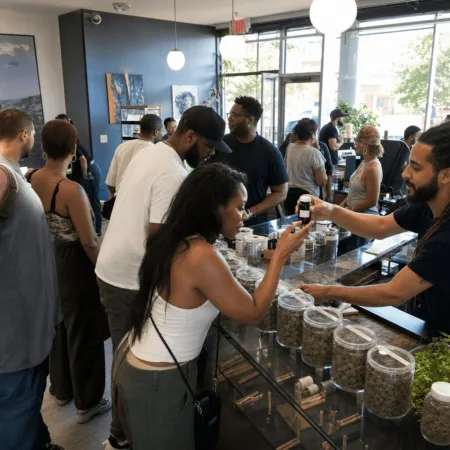
The cannabis teenagers risk conversation doesn’t exist in a vacuum. For decades, U.S. cannabis laws were strict, with only a handful of patients accessing medical marijuana. That landscape has radically changed. According to NORML, over 20 states have now legalized adult-use cannabis, while medical programs have exploded nationwide. This legal shift brought fresh opportunities, along with some challenges, for families. Social acceptance is climbing, access is increasing, and stigma is fading. As a result, some communities—such as those in Minnesota—have witnessed major changes as labs and businesses gear up for expanded cannabis testing and broader access. However, regulators remain laser-focused on keeping cannabis out of teens’ hands. The CDC and state agencies crack down on underage sales by enforcing strict packaging, marketing, and retail practices. Despite these efforts, black market products and peer-to-peer sharing still exist, adding fuel to the cannabis teenagers risk debate. As the cannabis industry matures, these concerns remain front and center for parents, educators, and policymakers alike.
Key Developments: What the Latest Research Says About Cannabis Teenagers Risk
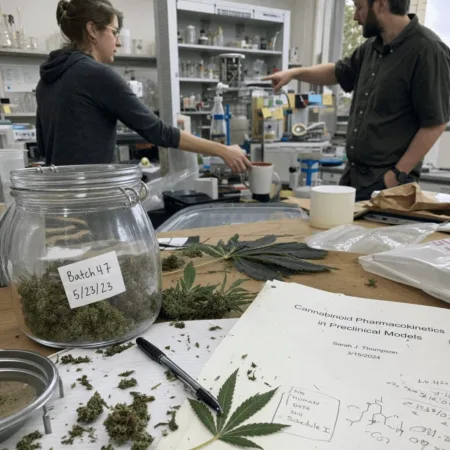
The heat kicked up recently thanks to a new study from UC San Diego, reported by UCSD News. Researchers found that teens and young adults who use cannabis face a significantly higher risk of progressing to regular tobacco use. The data, collected over several years and thousands of participants, showed a clear pattern: for teens experimenting with weed, their odds of picking up cigarettes or vaping rose sharply compared to non-users. This creates a web of health risks that worries public health advocates, and sparks heated family discussions at dinner tables everywhere. Additionally, as other states adapt to rapidly evolving regulations and scientific data, the changing rules—like those seen in Ohio’s cannabis and hemp legislation—continue to shape the practical impacts and local risks connected to youth access and policy.
To put it in perspective, the study followed high schoolers and college-aged adults from multiple U.S. regions, mapping out their substance use over time. Statistically, cannabis-using youth were two to four times more likely to transition into tobacco use within a couple of years. While the development isn’t exactly brand new (people have long debated the so-called “gateway” theory), these findings have everyone re-examining what cannabis teenagers risk means in the current climate.
Expert Analysis and Real Talk: Sorting the Science from the Hype
From a cannabis advocate’s perspective, it’s essential to keep things grounded. There’s no question that protecting teens is priority number one, no responsible part of this industry wants kids getting high before their brains mature. But context matters. Studies like the one from UCSD highlight a correlation—not definite causation—between cannabis use and tobacco uptake. As Dr. Yasmin Hurd of Mount Sinai, quoted in Leafly, puts it: “We see that environmental and social factors, access, stress, family patterns, play a much bigger role in what teens use next. It’s rarely about one substance opening the floodgates.”
Industry professionals continue to call for a balanced approach, advocating robust education, open family conversations, and practical regulation. Discussion also benefits from fresh perspectives coming out of recently reimagined social venues, like the way Milwaukee’s cannabis cafes are redefining social life and challenging old stigmas. As much as advocates want to address the cannabis teenagers risk head-on, there is also a growing movement to fight misinformation and maintain nuanced, data-driven policies. Today’s weed is not your parents’ ditch weed, and honest data is key to making policy that works for public health and individual freedom.
Looking Forward: Hope, Responsibility, and the Evolving Cannabis Teenagers Risk
The cannabis industry, parents, teachers, and regulators all carry a responsibility to manage the cannabis teenagers risk wisely. Trends show that with thoughtful laws, open discussion, and strong safeguards, underage use can stay in check — even as the market grows. States like Colorado and Oregon have been collecting real-world data for years, showing that legal markets don’t automatically create surges in teen use (US News). Instead, awareness and community action make all the difference. As more families and public health experts join the conversation, expect smarter policies and deeper research. One thing’s for sure: the discussion around cannabis teenagers risk is evolving — and the cannabis community is eager to lead with facts, compassion, and responsibility, not fear-mongering.
Originally reported by: today.ucsd.edu

1 Comment
Pingback: Cannabis Gummies Recall: Shocking Valley Alert