


Conditional Use Cannabis Permit: What the Commission Decided
The conditional use cannabis permit is making waves in local government circles and shaking up the wider legal market. As cannabis laws evolve and communities grapple with policy, these permits are turning into a major battleground for social change, business opportunities, and regulatory reform. Lately, more towns are watching how local commissions decide on conditional use cannabis permit applications, because every outcome sets new precedents and impacts more than one patch of land. We’ll walk through the details, add a few pro-cannabis insights, and connect the dots to the wild ride ahead for cannabis in America.
The Changing Terrain: Conditional Use Cannabis Permits in Context
Cannabis has moved far beyond the black market vibe, it’s now a big player in the economy, policy debates, and even real estate, thanks to regulatory frameworks like the conditional use cannabis permit. These permits, usually issued by local governments or planning commissions, serve as filters for how the cannabis industry expands within legal boundaries (NORML Laws). The central idea is to empower communities to decide how, where, and when cannabis businesses operate nearby. On one hand, these permits balance economic opportunities with residents’ concerns about security, property values, or youth access. On the other, they create a maze for applicants, who must be transparent and meet strict reporting, environmental, and social standards. According to Leafly industry reports, conditional use cannabis permit deliberations have become common as states like Minnesota, California, and Illinois adjust regulations in real-time. Recent supply shortages in Minnesota’s recreational marijuana market highlight intensifying demand as policy shifts, reinforcing the importance of permit systems. There’s growing public support for fairer access and sensible zoning, but policy momentum bumps up against not-in-my-backyard resistance, highlighting the importance of each permit issued.
The Wood Lake Meeting: Key Decisions and Issues on the Ground
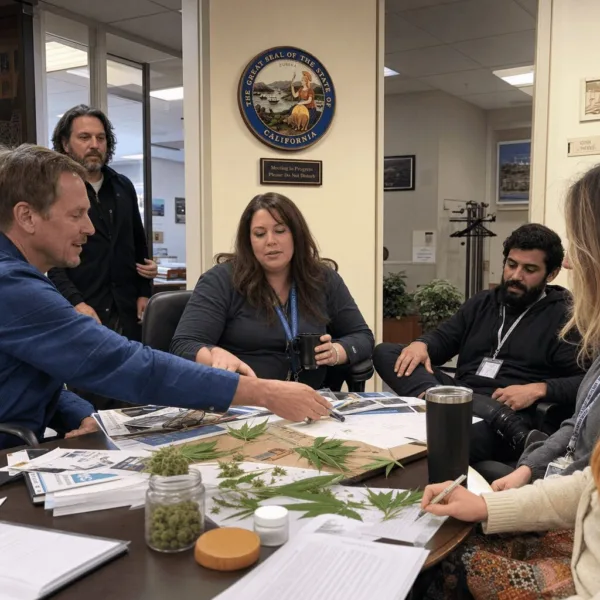
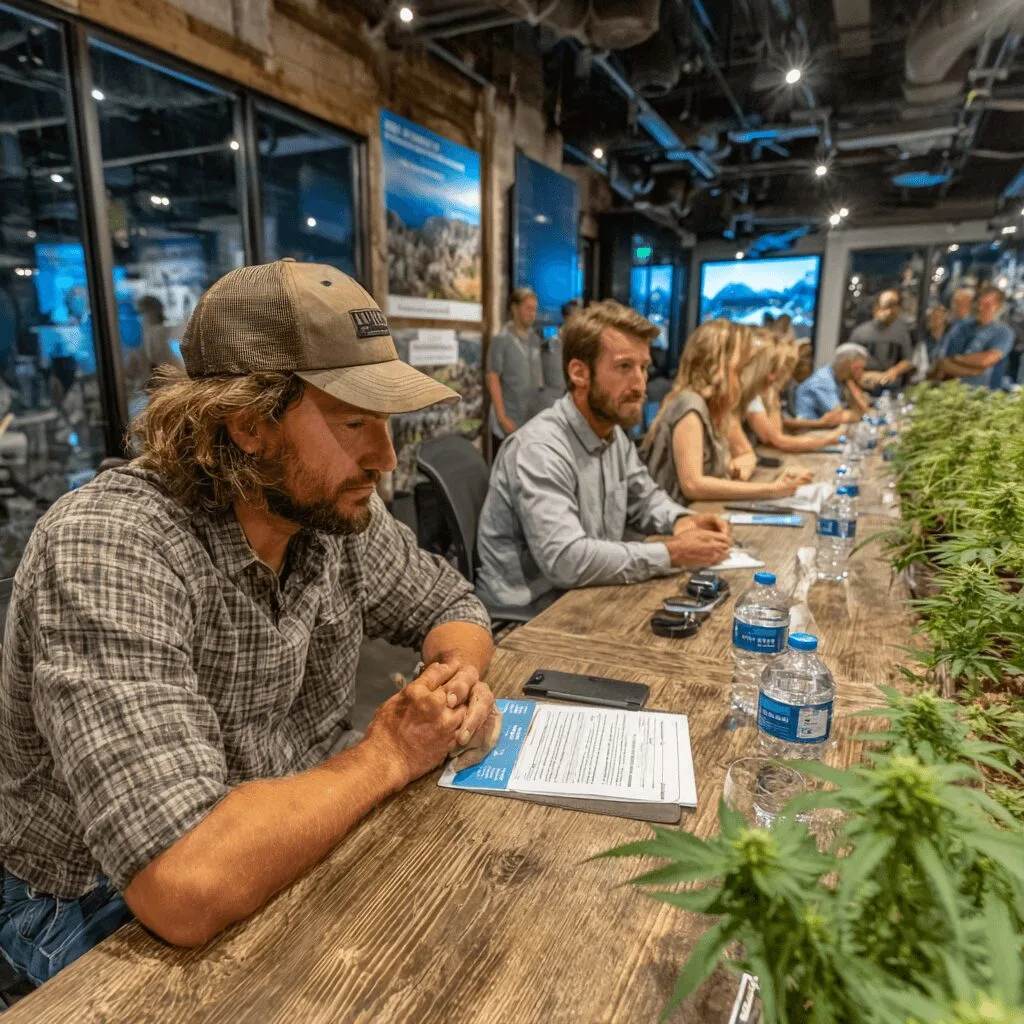
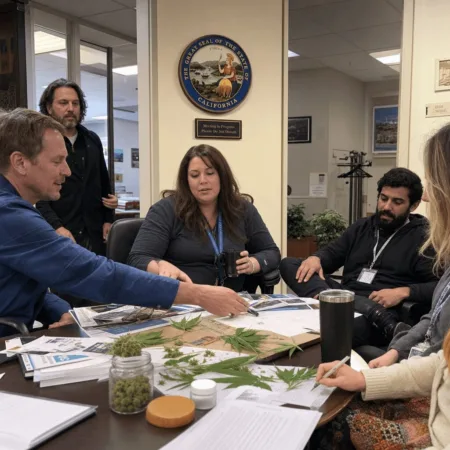
Let’s get specific, the recent news centers around a planning commission meeting in Wood Lake, Minnesota (originally reported by Granite Falls News), where local officials reviewed a conditional use cannabis permit for a new cannabis cultivation facility. The facility, proposed by a regional business group, aims to leverage the new state legalization measures that kicked in recently. Notably, some communities—like those fostered within New York’s evolving cultivation sector—have looked to newly approved facilities as drivers of local growth, as seen in developments like approval for cannabis sites in Calverton fueling growth for New York growers. The commission’s agenda involved weighing neighborhood impacts, law enforcement recommendations, and community member objections. Some neighbors expressed anxiety about odor control and security, while others highlighted job creation and tax benefits. On the legal front, the proposal must align with Minnesota’s revised cannabis laws, ensuring all environmental standards, setbacks, and reporting protocols are followed (Minnesota cannabis regulatory portal). Ultimately, after hours of public comments and document reviews, the commission voted to advance the conditional use cannabis permit, with added conditions for site monitoring and community engagement. This local moment taps into a national current, as every new cultivation site sets new standards that lobbyists and neighbors alike watch closely.
Expert Analysis: What This Decision Means for the Industry
The Wood Lake decision on a conditional use cannabis permit is more than just small-town politics, it’s a chapter in the sprawling saga of cannabis normalization. Placing real, regulated cannabis operations in view of the local community helps chip away at old stigmas. According to MJBizDaily, every step forward for transparent, compliant businesses brings investor confidence and attracts talent. As Dr. Amanda Reiman, policy lead at New Frontier Data, put it: “A conditional use cannabis permit isn’t just paper, it’s proof a community is ready to move past the past. Every approval signals a maturing market and a new level of accountability.” By pushing past the hurdles, such as fears over odor, safety, or so-called ‘bad influences,’ robust permits can actually set new standards for public safety, work quality, and even local pride. Regulatory experiments, especially in states like Minnesota, often inspire best practices that ripple out to larger markets—California’s recent enforcement actions provide another lens on the value of clear permit strategies. That’s how smart conditional use cannabis permit rules make the industry stronger and more welcome in every corner of the map.
The Road Ahead: Growth, Acceptance, and the Promise of Better Permits
What comes next? The vibrant discussion around every conditional use cannabis permit shows no sign of slowing down. Regulatory clarity is improving, and more towns are letting the facts shape policy, not fear. As highlighted by Leafly’s policy desk, states adapting permits based on local needs enjoy higher compliance and smoother business growth. More than profits, it’s about communities embracing a legal, regulated industry that supports jobs, public safety, and equitable economic opportunities. Each conditional use cannabis permit granted gives cannabis a firmer foothold and builds bridges between cautious officials, ambitious entrepreneurs, and curious neighbors.
So, keep your eye on those meeting rooms—what happens in Wood Lake echoes nationwide, setting bold new standards for the cannabis community at large. With every permit granted under the right terms, the stigma falls, innovation rises, and the green future looks a little brighter.
Originally reported by: granitefallsnews.com
1 Comment
Pingback: South Dakota medical marijuana: Oversight Shock Sends Ripples