





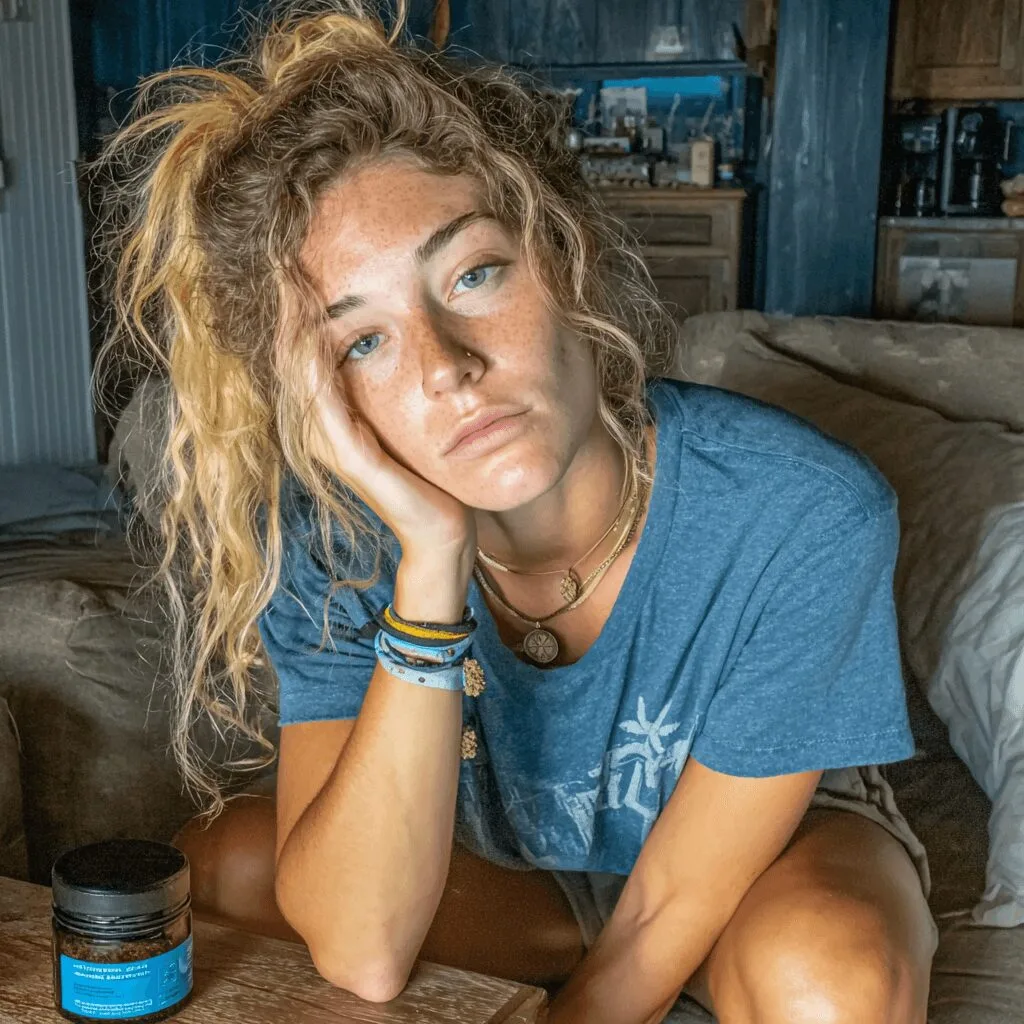
Florida medical marijuana arrests: Are you at risk?
Florida medical marijuana arrests are in the spotlight thanks to recent law enforcement crackdowns making waves in patient communities. With media headlines buzzing and lawmakers under pressure, many Floridians are asking: Could my next dispensary run land me in legal trouble? This isn’t just news—it’s a reality check for thousands relying on cannabis for their health. In this deep dive, we’ll explore the roots of Florida’s tense situation, break down the latest legal moves, and highlight what these changes mean for everyday patients. If you’re worried about compliance or just scratching your head over the chaos, you’re in the right place.
Florida’s Medical Marijuana Landscape: Legal Background & Shifting Attitudes
Florida’s journey with medical cannabis is one for the history books. In 2016, voters decisively passed Amendment 2, enshrining patients’ rights to medical marijuana in state law. Since then, the Florida Office of Medical Marijuana Use has set strict regulatory requirements, including ID cards, qualified doctors, purchase limits, and tight product control. While more than 800,000 Floridians now qualify for medical use, the social and political climate remains a rollercoaster, with shifting regulations and public debate. The state legislature has, at times, added new barriers and restrictions, and efforts to expand legalization continue to stir controversy. Recent sharp increases in Florida medical marijuana arrests reflect both law enforcement’s patchwork discretion and the broader national struggle between state laws and federal prohibition. According to Marijuana Policy Project, Florida is one of the largest and most watched cannabis markets in the U.S., making its legal battles and patient protections a blueprint for the rest of the country. The regulatory uncertainties also resemble what’s been reported around cannabis licensing changes and patient/business impacts in Florida—see recent updates on Florida medical marijuana licensing for more details.
Key Developments & Issues, A Crackdown Exposes Patients’ Risks
According to a detailed Palm Beach Post report published in late October 2025, Florida law enforcement has stepped up surveillance and spot-checks of patients with valid medical cards. The article details how police in several counties, including Polk, Brevard, and Miami-Dade, have ramped up vehicle stops and home visits, citing suspicion of ‘intent to distribute’ even among patients holding state-issued cards. In one example, a patient in West Palm Beach was detained after a traffic stop revealed multiple cannabis products in their car, despite clear documentation for medical use. The state attorney’s office later dropped charges, but not before the individual spent two nights in jail. The Florida Department of Law Enforcement has also released new guidelines in late September reminding officers that federal law still prohibits all marijuana possession, fueling confusion and, in some cases, outright fear among the patient community. Further, the Florida Medical Association and several dispensary operators have filed legal briefs urging clarification. They point out that inconsistent enforcement threatens access for law-abiding patients and undermines public trust in the medical program. Recent Tampa Bay Times coverage notes that at least 42 medical patients were arrested last month alone for alleged technical violations, up nearly 30% year-over-year. These developments have fueled protests and calls for change, while on the wellness front, experts note that cannabis inflorescences may offer supportive properties for patients, as highlighted in new findings about the antioxidant activity cannabis inflorescences offer for wellness.
Expert Analysis & Pro-Cannabis Counterpoints: What’s Really Going On?
The recent surge in Florida medical marijuana arrests highlights deeper issues in the state’s regulatory structure. Top cannabis attorney John Morgan, instrumental in drafting Amendment 2, observed, “This is exactly the nightmare scenario patients worried about, the will of the voters versus unpredictable law enforcement.” (Orlando Sentinel). Many experts stress that Florida’s approach lags behind best practices in patient protections seen in states like Colorado or Illinois. MJBizDaily points out that ambiguous laws and limited police education worsen risks: “Patients shouldn’t live in fear for simply following their doctor’s orders.” Dispensary owners report a chilling effect on sales and patient inquiries, as people become hesitant to seek care. Some analysts also compare this dynamic to the challenges of harmonizing cannabis policy in other states, such as the recent shifts observed in Ohio following changes in THC product regulation—see analysis on how new laws have shaken up stores and consumers in Ohio. Trends nationally show other states moving to clearly separate medical and criminal frameworks, reducing legal ambiguity and supporting individuals with demonstrated medical needs. Drawing lessons from these more progressive states could help Florida reduce unnecessary arrests and provide true patient protection.
Looking Ahead: Resilience and Progress for Florida’s Cannabis Community
Despite the anxiety sparked by Florida medical marijuana arrests, advocates and industry leaders see a path forward. Lawmakers are considering new patient protections, and robust community advocacy is driving change. National trends—and growing demand—suggest that restrictive enforcement will ultimately give way to better-aligned, fairer policies. As NORML reports, public support for cannabis access is at an all-time high, and Florida’s cannabis culture is too strong to be sidelined for long. If you’re a patient, stay informed, connect with trusted legal resources, and remember: This fight is bigger than any arrest statistic. The future of Florida’s medical marijuana program will be shaped by those who refuse to accept outdated rules. Keep the faith—progress, normalization, and responsible use are on Florida’s horizon.
Originally reported by: palmbeachpost.com
1 Comment
Pingback: California cannabis excise tax: What You Need to Know Now