




State Tribal Cannabis Agreement: What This Means for You
The cannabis industry’s landscape is shifting fast, and nowhere is this evolution more vibrant than with state tribal cannabis agreements. As cultural, legal, and market winds change, these collaborations are making headlines and forcing folks to rethink legal boundaries, sovereignty, and opportunity. State tribal cannabis agreements are more than paperwork—they’re a real pathway toward more respectful and mutually beneficial cannabis partnerships, echoing across communities and the entire industry. Here’s why this matters right now and what every cannabis advocate should know about this game-changing shift.
Understanding the Context: Legal Roots and Market Shifts
Let’s set the scene. State tribal cannabis agreements sit at the crossroads of federal prohibition, evolving state laws, and Native American sovereignty. For decades, tribes have negotiated a tricky legal maze, not truly federal, not fully state-regulated. The National Congress of American Indians explains that tribes manage separate jurisdictions, often opting in or out of state regimes on cannabis. Since landmark moves like Colorado’s legalization and the U.S. Justice Department’s Cole Memorandum, we’ve seen states inch toward formal partnership with tribal nations on cannabis.
Why now? Market expansion, recent justice-driven reforms, and growing tribal economic autonomy all play a part. According to MJBizDaily, tribal cannabis projects are popping up from the Pacific Northwest to New York, with both medical and adult-use elements. These agreements aren’t just about business, they’re about sovereignty, tax equity, cross-border sales, and real jobs for tribal communities. Concerns over regulatory loopholes have also been amplified as states continue to address challenges with unlicensed cannabis production and enforcement actions. It’s a turning point for tribal self-determination and state-level modernization alike.
Breaking Down the News, The Latest State Tribal Cannabis Agreement
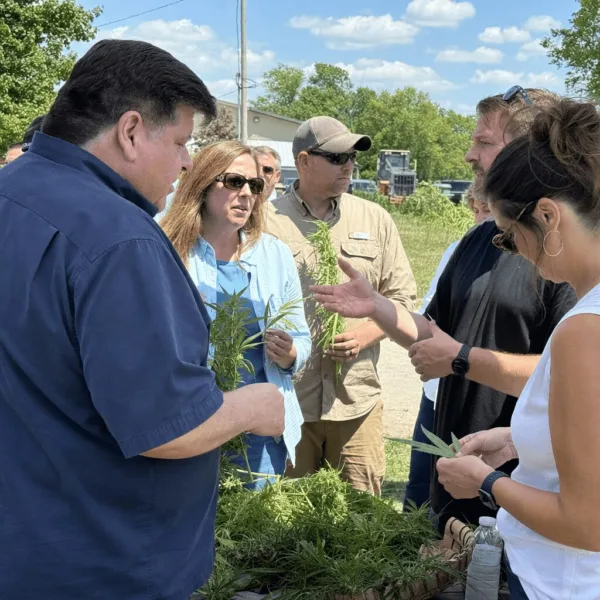
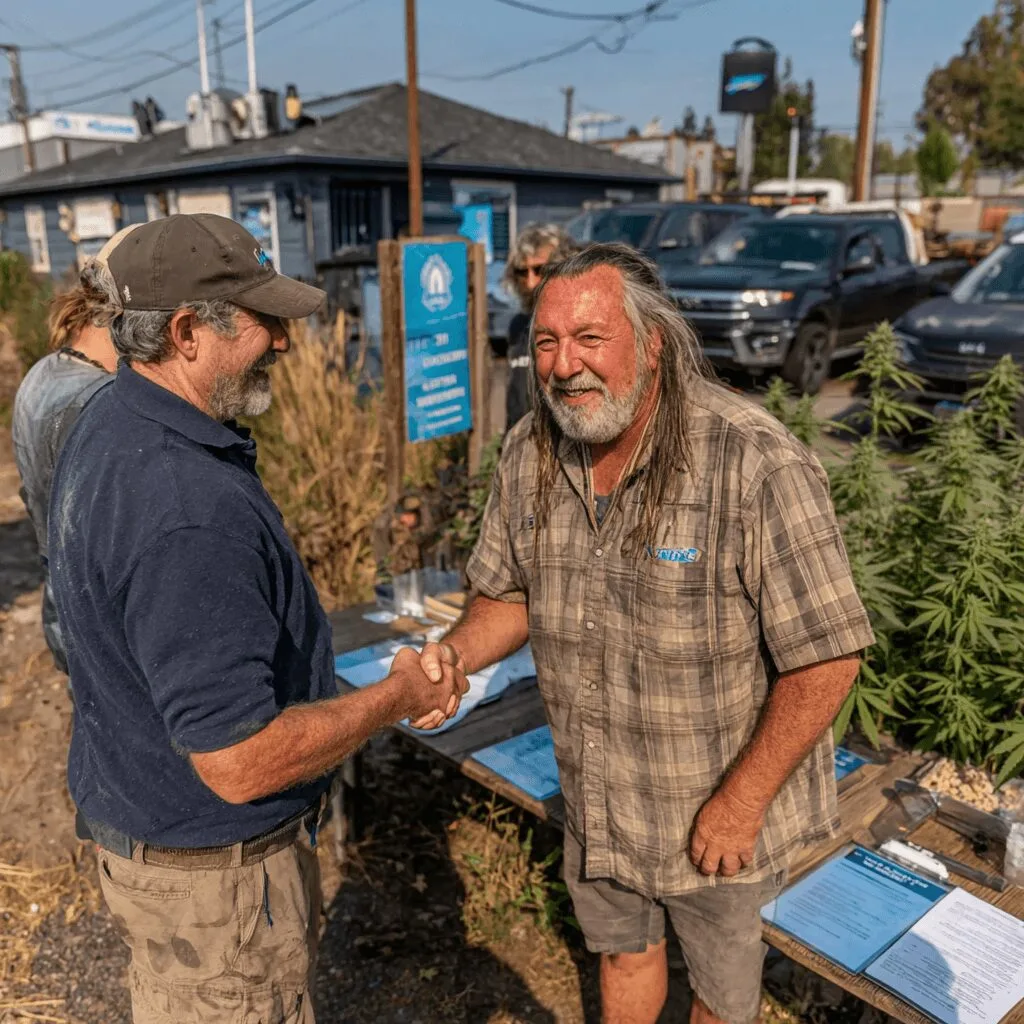
The real buzz in Minnesota isn’t just about the weather, it’s about a big move in October 2025. According to MPR News, Minnesota has inked its third official state tribal cannabis agreement. The pact involves the state government signing a formal agreement with another sovereign tribal nation to legalize and regulate cannabis on tribal lands. Specifics? The deal clarifies licensing, product sourcing, tax collection, and law enforcement cooperation for cannabis businesses operating on tribal lands. It means tribal operators get streamlined access to state-compliant seed-to-sale tracking, and the state earns transparent tax revenue, no legal gray space, just clear rules and joint oversight. The agreement was publicly celebrated in front of a modest government building, where state and tribal leaders signed key documents, committed to honoring tribal sovereignty, and nodded to economic opportunities for local communities.
By including a visible cannabis leaf and hemp plant at the signing table, the event’s symbolism was clear, this isn’t underground or risky business, it’s a legitimate, openly celebrated step forward. With each new state tribal cannabis agreement, Minnesota’s market gets more inclusive, and the bridge between state and tribal regulators grows stronger. Examples of business innovation tied to these agreements can be seen in recent launches in the Virgin Islands, where regulated cannabis licensing is opening new opportunities. Industry observers say similar moves in other states, including Washington, California, and Michigan, have set the tone for this collaborative spirit (League of California Cities).
What It All Means: Expert Insights & Industry Implications
These state tribal cannabis agreements aren’t just another piece of legislative paperwork, they’re a strategic pivot point. According to industry analyst John Kagia, now Chief Knowledge Officer at New Frontier Data, “Tribal-state partnerships are changing market access, creating localized economic revitalization, and setting best-practice models for sustainable cannabis regulation.” This matters because the cannabis space is often a tangle of red tape. When tribes and states align, communities get better access, governments share in the economic upside, and legal headaches drop for everyone from cultivators to consumers—especially as highlighted by ongoing issues such as retail license rentals and compliance risks.
Beyond economics, there’s social impact and cultural resonance. As Marijuana Moment reports, tribal nations have unique healthcare needs and priorities. Some are pioneering medical research, harm reduction, and culturally rooted cannabis education. Social equity advocates also argue these agreements are a blueprint for repairing generational harm, the kind caused by decades of over-policing, underfunding, and economic exclusion. Also, for entrepreneurs, state tribal cannabis agreements may help inform strategies when navigating delayed licensing rollouts, paralleling examples such as recent developments in Rhode Island.
Of course, it’s not perfect yet. Implementation takes serious coordination, and every tribe chooses its own course. Still, the trend is clear, state tribal cannabis agreements are putting power and opportunity back where they belong, in the hands of Native communities.
Looking Ahead: The Future of State Tribal Cannabis Agreements
We’re at an inflection point. As more states and tribes sign formal cannabis pacts, everyone from cultivators to consumers is watching closely. Regulatory frameworks are maturing, old stereotypes are breaking down, and possibilities are widening. According to the Brookings Institution, these agreements point toward a future where state–tribal cooperation could model fairness, innovation, and genuine economic growth for the entire industry. The playbook is being written in real time—and if the vibe at Minnesota’s latest signing is any clue, optimism is justified.
Expect more state tribal cannabis agreements, more respectful partnership, and more proof that legalization can succeed when all stakeholders are at the table. This isn’t just about markets—it’s about justice, opportunity, and a new, greener future for everyone.
Originally reported by: mprnews.org

2 Comments
Pingback: Missouri marijuana curbside dispensary: Quick Pickup Guide
Pingback: Tribal Cannabis Dispensary Supply: New Choicest Compacts Revealed