Breakthrough: Cannabidiol Anti-Cancer Effects Revealed
Alright, cannabis community—plant power is making headlines again. Fresh research has spotlighted the cannabidiol anti-cancer effects, shifting the conversation from old stereotypes to legit science. With more people seeking natural options and the stigma around cannabis fading, this topic couldn’t be more timely. The world wants alternatives that work, and cannabidiol (CBD) is climbing the charts for its potential role in cancer treatment. We’ll unpack this stunning research, what’s driving the buzz, and why everyone—even skeptics—should care about these new developments on the cannabidiol anti-cancer effects front.
Regulatory Hurdles, Social Shifts, and Market Realities
Cannabis has rolled a wild one through legal red tape, shifting public views, and evolving medical regulations. Nearly half the U.S. now has legal medical marijuana access, and two dozen states have green-lit recreational use according to the National Conference of State Legislatures. The slow and steady expansion of dispensaries—such as recent openings that bring community excitement—illustrates how access continues to broaden in unexpected places (see small town dispensary buzz for example). But cannabidiol anti-cancer effects have triggered heated policy debates. Regulators are grappling with standards for purity and efficacy, especially since the FDA only approved one CBD-based drug (Epidiolex) so far, primarily for epilepsy, not cancer yet. However, the 2018 Farm Bill cracked open research by legalizing hemp-derived CBD under specific limits (FDA guidance). Socially, we’re seeing the ‘stoner’ stigma melt away as respected clinicians and researchers—with support from respected institutions—dive deep into cannabinoids for everything from anxiety to, you guessed it, cancer. Powerful market demand is pushing both lawmakers and the medical community to take cannabidiol anti-cancer effects seriously, as patients and families keep asking for more science and fewer scare tactics.
Key Developments: What the Latest Research Reveals
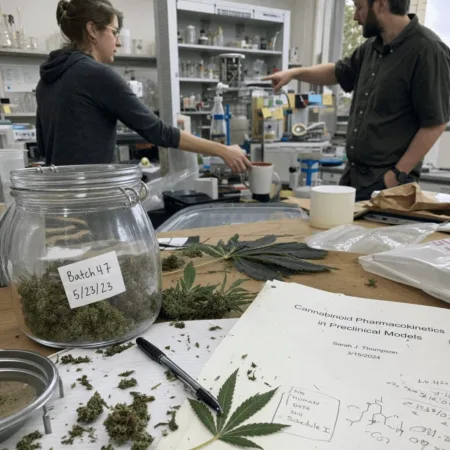
The ground-breaking study published in Frontiers in Pharmacology reveals cannabidiol anti-cancer effects with a clarity that’s hard to ignore. Researchers conducted rigorously controlled lab experiments—culturing cancer cells and healthy counterparts, then exposing them to pharmaceutical-grade cannabidiol. The data shows CBD’s remarkable potential to induce apoptosis, or “cell suicide,” specifically in malignant cells, similar to the way new therapeutic breakthroughs can sometimes shift the landscape overnight, much like legal debates that have put regulators in the spotlight (see Supreme Court spotlight on cannabis legality). What sets this apart is that healthy cells remained largely untouched, hinting at a unique therapeutic window. The researchers also noted suppressed tumor signaling pathways and a knockdown of pro-survival cancer genes. Although the study stopped short of clinical trials (no human patients yet), it offers serious momentum. Teams from multiple institutions (including university medical centers in Europe and North America) contributed to the research, making the findings robust and globally relevant. This isn’t just some fringe result, this is peer-reviewed, and the scientific community is paying attention.
Expert Analysis: Why This Matters for Cannabis Science
The cannabidiol anti-cancer effects highlighted in this research could reframe how professionals approach both cannabis and cancer. According to Dr. Donald Abrams, leading oncologist and longtime cannabis researcher: “We’re still in the early innings, but these results suggest CBD deserves a seat at the table for integrative oncology.” What does this mean? For starters, it backs industry calls for expanded clinical trials, greater federal funding, and, crucially, a shift from the outdated all-cannabis-is-psychoactive narrative. In the context of supportive care, access to medical cannabis has also sparked promising change for cancer patients and their families, providing alternatives that may reduce the need for opioids (see progress in cancer care with cannabis access). Some experts argue that this could even drive insurance policy changes or ignite partnerships between biotech firms and growers. While THC stole the spotlight for decades, CBD’s science-first image is helping normalize cannabis in mainstream medicine. Industry insiders also point out that products emphasizing cannabidiol anti-cancer effects might soon play a role in supportive oncology care, thanks to their non-intoxicating profile and mounting data on safety.
Looking Ahead: Cannabis Innovation and a Brighter Future
The cannabidiol anti-cancer effects research is more than just scientific curiosity—it signals real hope for the future. As regulators, researchers, and consumers keep demanding safe, effective treatments, cannabis is taking center stage. Policies are modernizing, and old fears are giving way to cautious optimism. According to Benzinga’s cannabis industry reports, both investment and research funding in CBD-based cancer solutions hit record highs last year. Going forward, expect even tighter collaboration between scientists, regulators, and cannabis producers to unlock new therapies and real-world benefits. For patients, advocates, and canna-curious newcomers alike, that’s the kind of positive momentum we can all celebrate. Stay tuned—the cannabidiol anti-cancer effects story is just getting started, and it’s got the power to change lives (and maybe destinies) everywhere.
Originally reported by: frontiersin.org