


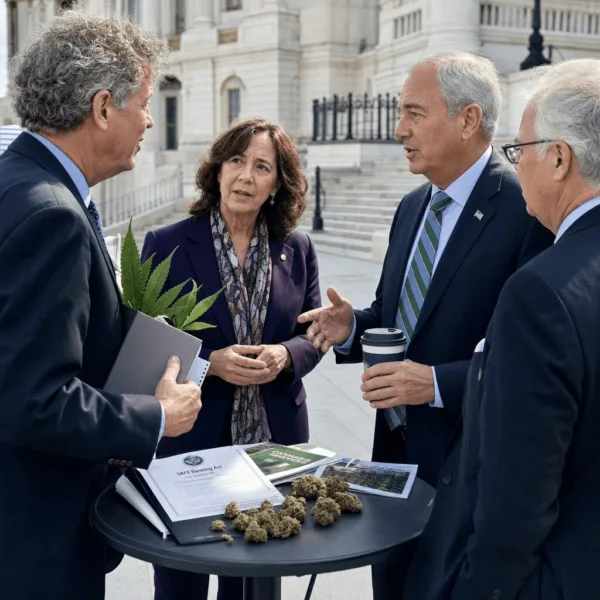



Cannabis revenue supports foster care—discover the impact
In Rochester, a fresh breeze is blowing through the foster care system. Thanks to new streams from cannabis revenue, programs supporting vulnerable children and families are getting a much-needed boost. With legal cannabis sales on the rise, there’s more cash to help support foster care initiatives. This shift is part of a bigger movement to put cannabis taxes to good use—reshaping local communities in ways few predicted. In this story, we dive into why cannabis revenue supports foster care is making such waves now, what it means for Rochester, and why the stakes have never been higher.
The Changing Landscape: Why Cannabis Revenue Supports Foster Care
The cannabis industry is having a moment, and not just for stereotypical reasons. As statutes evolve and recreational legalization sweeps more states, including New York, significant tax revenue has started to flow. Imagine this: instead of getting lost in bureaucratic black holes, cannabis dollars are earmarked for programs that actually impact lives, like foster care. In some towns, dispensary openings demonstrate this shift by driving conversations about responsible revenue use and change, such as the recent opening of a dispensary in Tracy, which sparked local debate about the potential benefits of cannabis taxes. Historically, child welfare systems have wrestled with chronic underfunding. The result, fragile support systems, overworked caseworkers, and foster families juggling financial realities. The arrival of cannabis revenue, specifically allocated by state and local officials, is now changing that equation. This move isn’t just smart policy, it’s sparking citywide conversations about strategic reinvestment. And Rochester is quickly becoming a blueprint for how cannabis revenue supports foster care, helping redefine where cannabis dollars belong for the public good. According to Marijuana Moment and respected agencies, public support for targeting cannabis revenue this way is strong, tracking closely with growing acceptance of legal cannabis and accountability for tax dollars. When you blend law, economics, and community needs, Rochester’s approach feels almost revolutionary.
From Dispensary to Community: Key Developments & Issues
Let’s get into the nitty-gritty. In late May, news broke via local outlets that Rochester is funneling portions of its municipal take from cannabis sales directly into foster care programming. Driven by the City of Rochester and Monroe County officials, the initiative redirects new revenue streams created under New York’s legalization of adult-use cannabis. Since legal sales launched in New York under the state’s Marihuana Regulation & Taxation Act (MRTA), retailers have contributed millions in excise taxes and fees. This mirrors how other communities respond to regulatory changes, as seen when Calexico imposed a moratorium on new permits, reflecting broader industry challenges at the municipal level. Specifically, a slice of those new city taxes now supports foster care organizations, kinship placements, and supplemental programming for at-risk youth in the greater Rochester area. Local agencies including the Department of Human Services and city social workers have already seen their funding increase. This immediate boost supports new caseworkers, housing stipends for foster families, and community engagement events. The data aligns with broader nationwide trends, according to NORML, legal cannabis markets delivered over $4 billion in state tax revenue nationwide in 2023. Rochester’s model ensures that these funds do real work on the ground, making clear cannabis revenue supports foster care and its future in the community.
Expert Analysis & Insights: The Larger Meaning of Cannabis Revenue Supporting Foster Care
For advocates and industry insiders, Rochester’s move is viewed as a milestone. Directing cannabis revenue to foster care isn’t just good optics, it’s practical. Experts like Dr. Amanda Reiman from Leafly News argue, “When you align new revenue streams with core social needs, you create circular benefits that advance public health and economic stability.” As social attitudes toward cannabis continue to mellow, regulators and advocacy groups are watching Rochester to see if this hybrid funding approach could elevate standards nationwide. This forward-thinking policy can also be seen in other states where the cannabis industry faces legal or regulatory hurdles, such as the bold legal showdown in New Mexico between cannabis businesses and the governor. The city’s example supports what researchers at Brookings predicted, that careful regulation can ultimately create win-win outcomes for government and marginalized populations alike. When cannabis revenue supports foster care, it’s as if the plant is finally putting down roots where it matters most.
The Road Ahead: Growth, Hope, and a New Chapter for Cannabis Revenue
What comes next? For Rochester—and communities across New York—the story is just beginning. As the cannabis market continues to expand, we should expect to see even greater percentages of those revenues backing vital programs like foster care, addiction recovery, and youth empowerment. The positive ripple effects are undeniable. According to TIME Magazine, communities that reinvest cannabis dollars see measurable social outcomes. The truth is clear: cannabis revenue supports foster care is more than a catchy headline. It’s a real-world demonstration of how an industry long demonized can become a force for change and compassion. The energy around this movement is contagious. As Rochester leads, the wider industry—and society—can cultivate a future where prosperity and purpose are as intertwined as the plant itself.
Originally reported by: whec.com

2 Comments
Pingback: Children Exposed Marijuana Smoke: Alarming Risks & Lynchburg Action
Pingback: Pennsylvania cannabis regulation bill: Senate Vote Looms