


Elderly Marijuana Possession Case: Shocking Carson County Story
The elderly marijuana possession case out of Carson County isn’t just another headline—it’s a mirror reflecting our nation’s clashing cannabis policies and generational perspectives. As more states embrace cannabis reform, outdated laws in some areas still catch vulnerable citizens in their net. Today, a Texas senior finds himself in hot water over a plant legal elsewhere. This article unpacks why the elderly marijuana possession case matters now, revealing where cannabis law stands, what’s changing, and why it’s high time for reform.
The Legal Landscape: Cannabis, Age, and Criminalization
While legal cannabis is flourishing in markets like California and Illinois, Texas’s strict policies persist despite shifting attitudes nationwide. According to recent findings from NORML, simple possession remains a criminal offense across much of Texas, especially in conservative counties. Socially, polls by Pew Research show over 88% of Americans back either medical or adult-use cannabis, with older adults increasingly embracing it for wellness. Federal prohibition adds confusion, fueling high-profile cases that spark public debate, as seen when the focus is an elderly marijuana possession case. This disconnect between modern sentiment and old-school rules means cases like Carson County’s resonate far beyond the local news—they question our cultural and judicial priorities, putting real families under a microscope for outdated policies.
Carson County Incident: Details of the Elderly Marijuana Possession Case
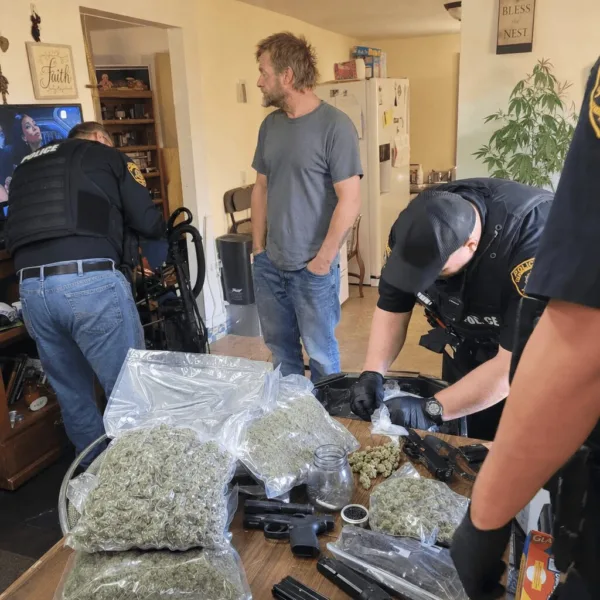
Let’s break it down. According to reporting by NewsChannel 10, an elderly Carson County man was recently fined $4,000 and jailed overnight after a routine police traffic stop resulted in a search. Officers allegedly discovered a small bag of marijuana, roughly the size of a golf ball, alongside rolling papers and a prescription bottle. Despite clear evidence the man wasn’t selling or distributing, authorities pursued full charges under state statutes. The court, adhering to Texas’s zero-tolerance framework, imposed a harsh penalty. Local advocates have called attention to the man’s age and health issues, questioning if criminalization fits this scenario. The incident was recorded on October 15th, 2025, and has since circulated on local broadcasts and national cannabis advocacy platforms—fueling the growing debate about criminal justice and the elderly marijuana possession case.
Expert Analysis: Why This Case Hits a Nerve in the Cannabis Industry
The Carson County elderly marijuana possession case has stirred up more than sympathy, reigniting a broader fight for cannabis justice. Dr. Ethan Russo, a renowned cannabis physician and educator, has stated, “Criminalizing vulnerable seniors for minor cannabis infractions flies in the face of both medical science and social progress.” His point? As the industry grows and research advances, the stigma around responsible cannabis use, especially among the elderly, continues to crumble. Market analysts and advocates highlight how such episodes create chilling effects, discouraging even medical cannabis patients from seeking relief in prohibitionist states. According to the AARP and mainstream media, cannabis use among seniors is at an all-time high as more retirees turn to it for pain, sleep, and anxiety. For communities in Texas and beyond, these criminal incidents show how policy stagnation puts vulnerable groups at risk and how public values are shifting regarding elderly marijuana possession cases.
Looking Forward: Reform, Compassion, and The Future of Cannabis Law
Cases such as the Carson County elderly marijuana possession case drive home an urgent truth: reform is inevitable. As more Americans support cannabis legalization—both for recreational and medical uses—states clinging to old policies face mounting legal challenges and public pressure. Industry observers point to regulatory progress in places like Illinois as blueprints for fair, compassionate handling of non-violent offenders, especially seniors.
The hope? Stories like this will light a fire under lawmakers to finally harmonize outdated statutes with real-life needs, protecting vulnerable citizens from disproportionate punishment. The elderly marijuana possession case won’t be the last, but with each headline, support grows for a more rational, humane approach to cannabis policy. As the industry matures, expect compassion and reform to take center stage—not handcuffs.
Originally reported by: newschannel10.com