

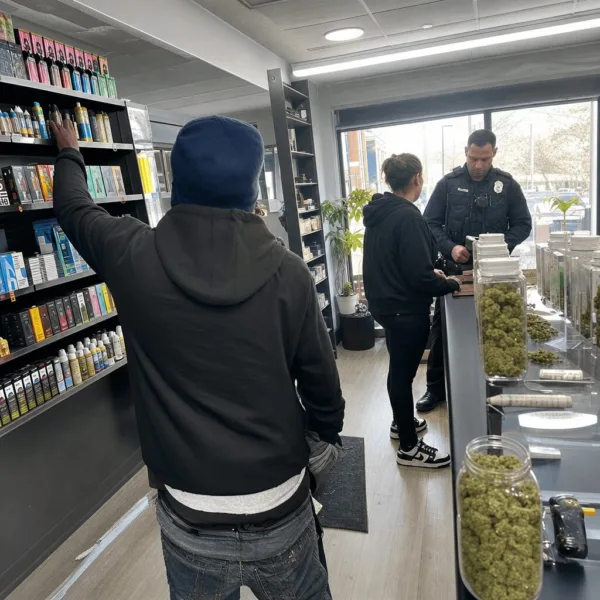



Palermo illegal marijuana bust: Agents raid grow, arrest felon
The Palermo illegal marijuana bust is stirring headlines once again, highlighting ongoing tensions between California’s growing cannabis culture and law enforcement crackdowns. This recent bust in Palermo has become a symbol of the state’s ever-shifting legal landscape, with serious implications for growers, communities, and the future of regulated cannabis markets. Dive in as we break down what happened, what it means for the industry, and why the conversation matters more than ever.
California’s Cannabis Crackdown: Background & Context
California was the first state to legalize medical cannabis back in 1996, breaking new ground for patient rights and cannabis culture (California Courts). But even after full legalization arrived in 2016 with Proposition 64, the transition’s been anything but smooth for small and mid-sized growers. Many regions, like rural Butte County, face a tug-of-war between state-approved operations and traditional underground markets. The New York Times recently reported how high barriers, expensive licenses, local bans, and ongoing enforcement, keep many cultivators from joining the legal economy. The Palermo illegal marijuana bust underscores these challenges, with economic instability and community safety concerns pushing local officials to continue high-profile raids even as public opinion grows friendlier toward regulated cannabis. These types of regulatory barriers have contributed to national trends in enforcement, as revealed by recent statistics about cannabis arrests that lawmakers can’t ignore.
Inside the Palermo Raid: Key Developments & Issues
According to KRCR News, agents with the Butte Interagency Narcotics Task Force executed a search warrant at a rural Palermo residence. The Palermo illegal marijuana bust resulted in the seizure of over 1,000 cannabis plants at various stages of growth. Law enforcement said the operation was illegal, lacking state and local permits as required by California law. Amid the mess, they found not just cannabis but also methamphetamine, cocaine, and several firearms, elevating the case to felony status. A repeat offender suspected of running the grow was arrested on-site. Officers cited concerns about neighborhood safety and environmental violations, especially in a state where illicit operations often skirt water and electrical codes. Events like the Palermo raid have similarities to other major busts across California such as the Taft marijuana cultivation arrests which have shaken the industry. The Palermo illegal marijuana bust happened on a cloudy morning, drawing attention from both neighbors and local media due to its scale and the combination of narcotics found.
Expert Insights: What the Palermo Illegal Marijuana Bust Really Means
The Palermo illegal marijuana bust amplifies a persistent dilemma, highlighting how the legal market struggles to compete when the illicit market remains so entrenched. Cannabis industry leaders point out that strict regulations, high taxes, and inconsistent enforcement often drive well-meaning cultivators underground. “California’s regulatory maze unintentionally fuels these underground grows,” said the California Cannabis Industry Association. “If small operators can’t afford the paperwork, they’re left exposed to raids like Palermo’s.” Industry veterans also highlight how these busts undermine trust, making it harder for growers to transition into legitimacy. In fact, Leafly News notes that almost two-thirds of all cannabis sold in California still comes from illegal sources, despite years of reform. The Palermo illegal marijuana bust is a textbook example of lost potential for both local economies and the broader goal of reducing harm through safe, legal access. Community perspectives on cannabis and regulatory change have also evolved notably, as seen in places like Minnesota where the launch of micro dispensaries has driven big changes in the first month.
Looking Ahead: A Greener (and Fairer) Tomorrow?
The Palermo illegal marijuana bust offers a teachable moment for the whole state. While safety concerns are real, continued criminalization of legacy growers does little to shrink the shadow market. Policymakers and industry advocates increasingly agree: lowering barriers to entry and reforming local bans could bring more cultivators into the legal fold, reduce dangerous black-market activities, and increase tax revenues to support community needs. As the Marijuana Policy Project points out, smarter licensing systems and fairer enforcement are crucial to building a safe, robust industry. With public support for cannabis at all-time highs and regulatory reform on the horizon, moments like the Palermo illegal marijuana bust could ultimately pave the way for a safer, more inclusive California cannabis story.
Originally reported by: krcrtv.com

1 Comment
Pingback: Psilocybin Therapy Benefits: Unlocking the Mind’s Potential