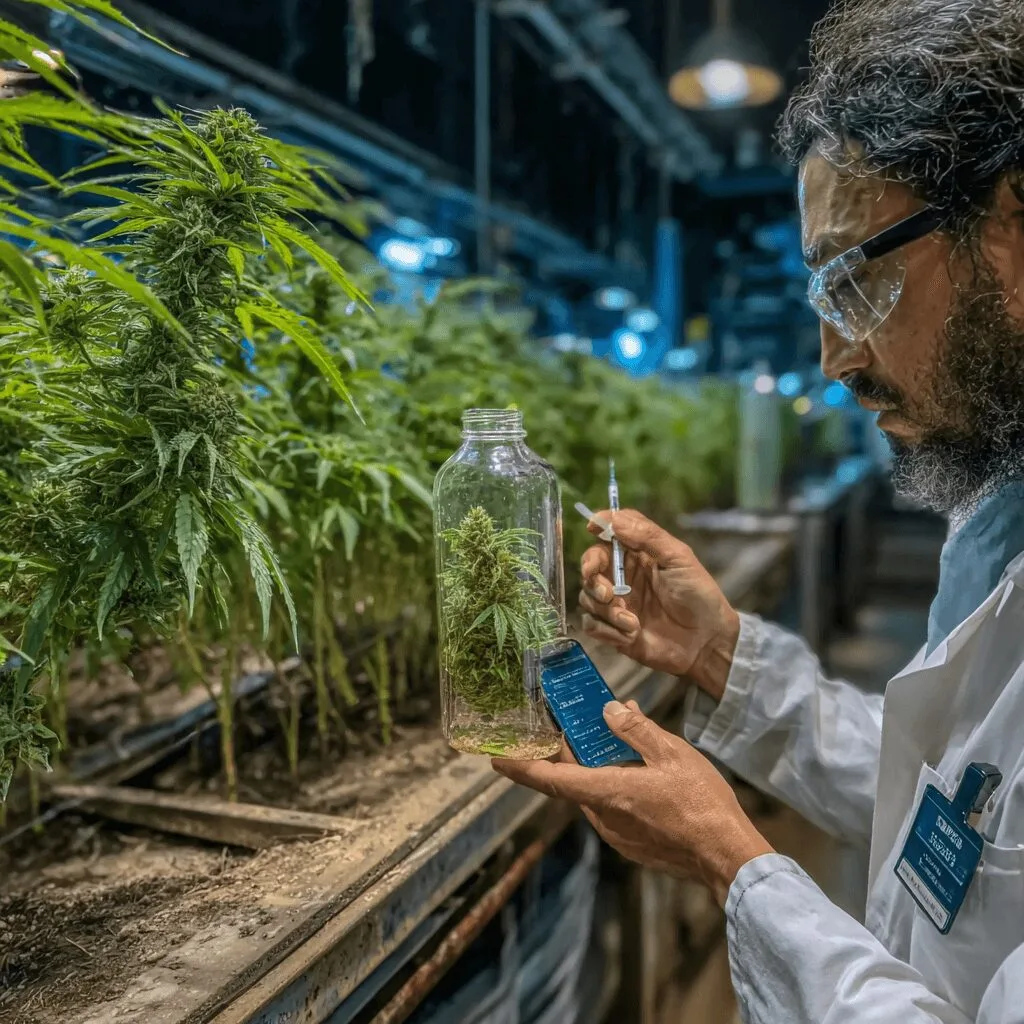
Liposomal CBD injection technology: Groundbreaking Patent in Japan
If you’ve been watching the evolution of medical cannabis, you know breakthroughs aren’t just pipe dreams—they’re happening daily. News about liposomal CBD injection technology taking a massive leap with a newly secured patent in Japan is more than hype. Right now, this tech sits at the heart of industry chatter, winning attention for its potential to amp up bioavailability, precision, and patient experiences. In a landscape where innovation is the spark lighting up global cannabis trends, this latest development invites everyone—from investors to industry die-hards—to take note. Get ready for a tour of what liposomal CBD injection technology means for the cannabis sector and why it’s making major waves across Asia and beyond.
Regulatory, Social, and Market Backdrop: Japan Meets Liposomal CBD Injection Technology
Japan, a land balancing deep tradition with cutting-edge technology, has never been easy territory for cannabis. For decades, the country’s strict regulatory stance, as outlined by Japan’s Ministry of Health, Labour and Welfare, placed almost every cannabinoid on the restricted list. But global winds shift quickly, as the wellness boom and advancements in medical cannabis science influence Asia to gradually soften its position. Even in Japan, recent updates to the Cannabis Control Act suggest a new openness for scientific research and specific CBD-derived medications. This progression resembles what’s been unfolding in North America and Europe, where advanced technology—for instance, liposomal delivery systems—now delivers cannabinoids more efficiently and safely. Meanwhile, Japanese society remains cautiously curious; cultural norms and ongoing public health debates shape each development, as highlighted by Nikkei Asia’s reporting on medical cannabis progress. On a global level, comparable shifts have been observed in U.S. states such as Michigan, where regulatory freezes and changing cannabis laws keep evolving as market demand and novel therapeutic cannabis formulations drive innovation. These pressures inspire next-gen solutions, including liposomal CBD injection technology, as the industry seeks to balance innovation with Japan’s signature caution.
Key Developments: Japan’s Liposomal CBD Injection Technology Patent Win
The latest development is headline-worthy: A recent PR Newswire release confirmed that the Japanese Patent Office has granted a patent for liposomal CBD injection technology. At the forefront is LPT (Liposomal Platform Technologies), a leading company in medical cannabis research, advancing injection-based CBD therapies. The newly patented process secures their proprietary method for encapsulating CBD in liposomes—tiny fat-bubble carriers that protect cannabinoids from rapid breakdown, improving absorption and aiming for more consistent, targeted effects.
This significant patent win, disclosed in early June 2024, positions LPT as a frontrunner in Japan’s CBD innovation landscape and signals an evolving Asian medical cannabis market. The company’s team dedicated years to perfecting the technology, ensuring compliance with Japan’s rigorous regulations. According to the Japan Patent Office, obtaining such approval within a risk-conscious regulatory environment is no minor achievement. This historic milestone mirrors the steady progress in U.S. states working diligently to address local policy—for example, the emergence of micro-grow farms in Maryland that demonstrate how innovation can thrive under careful legal frameworks. With this patent, LPT secures operational freedom and positions itself to lead a promising market segment for injectable cannabinoid therapies. Analysts suggest this move sends a clear message to researchers, clinicians, and international investors alike: liposomal CBD injection technology is emerging as a serious contender in Japan’s medical cannabis sector.
Expert Analysis: What This Patent Means for Global Cannabis Innovation
Why does Japan’s acceptance of liposomal CBD injection technology matter on a global scale? Primarily, it marks a major advance for medical cannabis research and development in a historically conservative environment. As Cannabis Business Times notes, improved drug delivery systems are unlocking new heights in cannabinoid therapy—boosting efficacy and safety for patients needing more precise dosing than tinctures or edibles can provide.
Securing intellectual property rights in Japan has broad implications. LPT’s new patent creates a competitive advantage for future product launches, clinical collaborations, and potential exports across Asia—moves keenly observed by global industry participants. In a recent interview with Marijuana Moment, Dr. Yuki Takahashi, a respected cannabinoid scientist, remarked, “Japan’s recognition of liposomal CBD injection technology is proof that rigorous science is finally shaping public policy in the region.” In essence, this milestone carries the potential to open doors that advocates have tried to unlock for decades.
This wider trend of policy transformation resonates far beyond Japan, paralleling the evolving conversations and legislative hearings about controlled substances, such as the current legislative debates on psilocybin in the U.S.. With advanced delivery systems like liposomal CBD injection technology in the spotlight, countries once characterized by strict bans are reconsidering their stance, demonstrating that innovation can indeed influence global policy and patient care outcomes. This matches progressive moves observed in North America, including North American advancements in cannabinoid delivery that continue to push the boundaries of what’s possible.
Outlook: Liposomal CBD Injection Technology and the Future of Medical Cannabis
The bottom line here? Japan’s decision to grant this patent for liposomal CBD injection technology feels light-years ahead of old-school cannabis policy. Sure, there’s work to do—stigma and slow-moving regulation don’t vanish overnight. But if you zoom out, it’s clear the global cannabis industry is only picking up steam. Investors, scientists, and everyday patients should keep a close eye on Japan: what starts as a regulatory experiment can often spark region-wide changes.
As the editors at MJBizDaily summarize, countries that greenlight new cannabis technologies tend to see wide-ranging benefits, from economic growth to improved health outcomes. Liposomal CBD injection technology looks set to play a starring role in this trend, inspiring new formulations and deeper acceptance. That’s progress we can all chill out and appreciate—one perfectly encapsulated cannabinoid at a time.
Originally reported by: prnewswire.com