





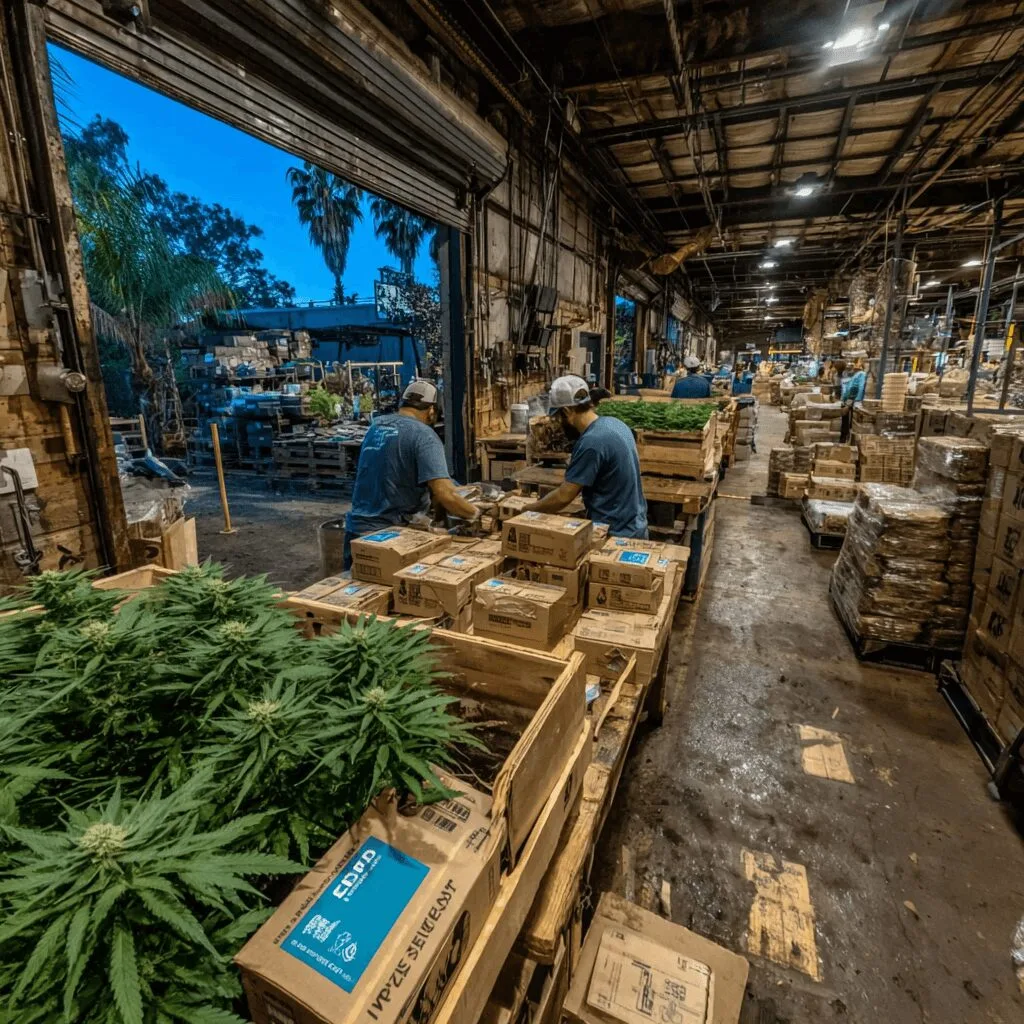
How Cannabis Global Supply Chains Are Changing Everything
The cannabis industry is undergoing a wild transformation, and the buzz isn’t just hype. Today, cannabis global supply chains are reshaping economic landscapes from North America to Latin America and beyond. International trade deals, shifting regulations, and booming consumer demand are making this topic crucial right now. From Mexico’s regulatory shakeups to Canadian export power plays, the movement of cannabis across borders is opening fresh opportunities—and stirring some controversy. In this article, we’ll break down how export flows, policy shifts, and global corporate hustling are defining the new normal in cannabis. Whether you’re a seasoned grower, curious investor, or just fascinated by green supply economics, here’s your straight-up guide to the game-changing shifts rocking the cannabis global supply chains today.
The Groundwork: How Regulation Shapes Cannabis Global Supply Chains
To get why cannabis global supply chains are exploding, you need to look at the patchwork of international laws and trade policies. Countries like Canada set the stage when they federally legalized cannabis, becoming the first G-7 country to take the leap (Government of Canada). Canada’s regulatory gold standard opened doors for multinationals, but laid endless compliance hurdles. Meanwhile, Mexico’s Supreme Court has pushed toward legalization, unleashing a vibrant debate on domestic versus export priorities (Mexico Supreme Court). At the same time, key South American regions and several European countries are relaxing import restrictions, though usually limited to medical use for now (European Monitoring Centre for Drugs and Drug Addiction). This legal maze means every link in cannabis global supply chains faces risk, but also wild opportunity, depending on how lawmakers redraw the map. Social attitudes are also warming up fast. According to a 2023 Pew Research report, two-thirds of Americans now support full-blown legalization. All this signals that global supply chains must constantly evolve, blending old-school logistics with bleeding-edge legal strategy. For ongoing news on shifting regulations, check the latest cannabis industry updates for real-time insight.
Key Developments: Global Players and Surprising Shifts
The last few years saw landmark moves in cannabis global supply chains. In 2021, Canada’s Aurora Cannabis sealed deals to deliver medical cannabis to France and Israel (Aurora Cannabis). Colombian cultivators, like Clever Leaves, locked in European export contracts, riding on the country’s cheap labor and ideal climate (Clever Leaves). Meanwhile, Mexico moved closer to establishing itself as the world’s next cannabis powerhouse. According to Mexico Business News in 2024, government reforms are making cross-border supply easier, especially for medical products. U.S. companies like Charlotte’s Web are preparing for exports to Latin America, eager to tap a rising market for wellness products (Charlotte’s Web). The logistics challenges, storage, customs, standardization, and quality assurance, are enormous, but new logistics tech is helping suppliers keep up. At the same time, regulatory authorities like the U.S. FDA and Health Canada are tightening traceability protocols, ensuring every gram in the cannabis global supply chains is legit. And let’s not forget the growing impact of ESG investments, as responsible sourcing and fair labor are now competitive must-haves. These shifts mean the cannabis on your dispensary shelf, or medical shelf in Madrid, could have one wild, international backstory. For a look into regional headlines that illustrate unexpected legal and enforcement stories, see recent coverage on highway marijuana seizures and unintended consequences.
Expert Analysis: Unlocking Opportunity While Tackling Obstacles
What’s it mean for everyday consumers and industry insiders? The evolution of cannabis global supply chains is all about adapting fast. Rapid-fire regulatory changes create risk, as today’s export hero could be tomorrow’s compliance nightmare. But the upside is clear—medical patients and consumers get more choice, higher quality, and lower prices as companies compete globally. As Dr. Beau Kilmer, co-director at RAND Drug Policy Research Center, notes: “Global cannabis supply chains will become as sophisticated, and as tightly regulated, as those in mainstream pharma or food. That’s both a challenge and a massive opportunity for suppliers and patients alike” (RAND). The speed at which consumer tastes shift, plus mounting investor cash, push companies to level up their farming, processing, and logistics, with transparency and social responsibility at center stage. According to MJBizDaily, successful global cannabis firms now operate more like food conglomerates—obsessed with compliance, but still hustling for market share. Sometimes, sector volatility prompts sudden business exits; recent examples include the closure of key cannabis advocate businesses, which send ripples through supply chains as markets shake up. The race is on to prove who can export the best, safest, and most sustainable cannabis at scale.
What’s Next? Global Trends and a Greener Tomorrow
The future looks bright for cannabis global supply chains. With more governments recognizing the industry’s economic and medical benefits, barriers will continue crumbling. According to Grand View Research, the sector could top $100 billion worldwide by 2030. That means more standardized products, better patient access, and new jobs in farming, lab testing, shipping, and retail. For advocates, growers, and even average neighbors, that’s a big win. As new tech, agile policies, and cross-continental partnerships grow, expect cannabis global supply chains to set the bar for openness, quality, and social impact across the wider agricultural world. In the meantime, keep your eyes on Mexico, Canada, and Europe—they’re not just making history; they’re building it—and the rest of us are along for a fascinating ride.
Originally reported by: mexicobusiness.news



1 Comment
Pingback: Ohio THC ban legality: What you need to know right now