





Teen Marijuana Possession School: Shocking Consequences Exposed
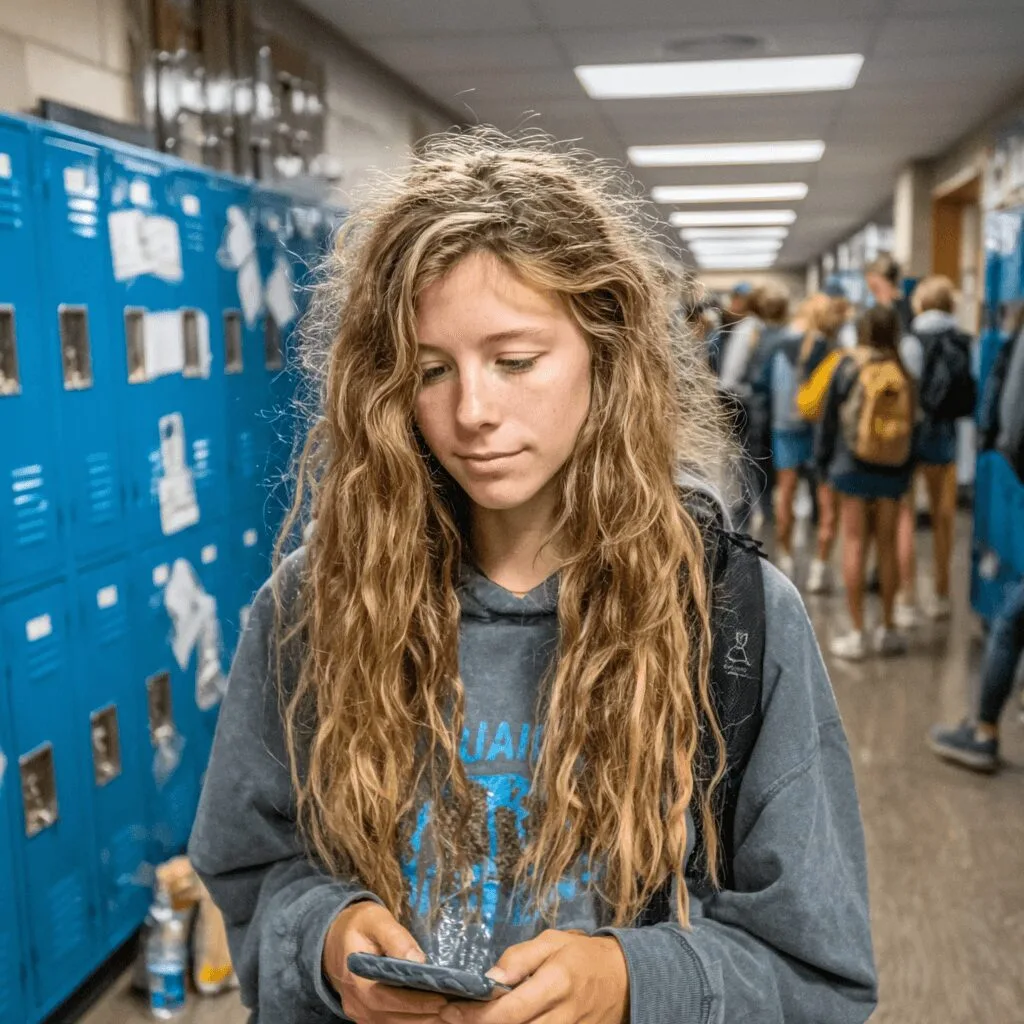
In recent months, the topic of teen marijuana possession school has jumped to the front page of cannabis debates and educational policy discussions. Cases are cropping up nationwide. Social stigma and legal ramifications merge, raising questions about how schools, parents, and the industry should respond. The latest developments highlight major consequences teens face when caught with cannabis at school. Today’s article unpacks the hot topic, breaks down the most recent incidents, and digs into what it means for the future of cannabis in educational environments.
Background: Changing Laws and School Realities
Let’s get real, weed laws have changed dramatically in the last decade. Adult-use is now legal in over 20 states, and medical marijuana is even more widespread (NORML law map). But for anyone under 21, especially on school grounds, cannabis is still a big no-no. Schools remain federally regulated spaces, meaning they must play by stricter rules (U.S. Department of Education). Even in states with legal cannabis markets, school districts enforce zero-tolerance policies. According to CDC research, the rise in youth cannabis use collides with these tough school policies and complicated state laws.
On top of that, perceptions around cannabis have shifted fast. Parents and teens alike face mixed messages, with mainstream acceptance for adults, yet harsh penalties for minors. The confusion is reflected in both pop culture and policy, with more teens mistakenly viewing cannabis as harmless according to data from NIDA. With legalization and policy debates in the news, even communities like the Bronx are fueling new cannabis excitement and awareness, as seen when dispensaries open or expand in city neighborhoods (recent developments in NYC cannabis retail).
Recent Developments: Teen Marijuana Possession School Incidents Make Headlines
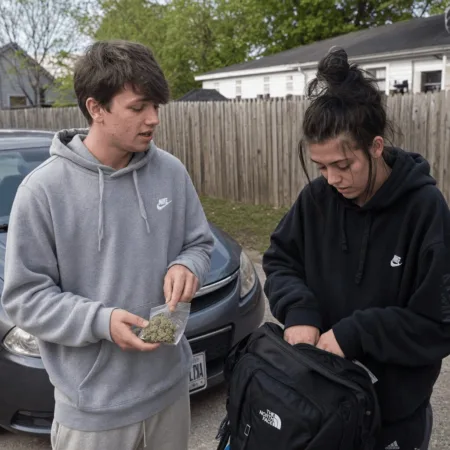
This week, news broke that a 14-year-old was charged after police say they brought marijuana to a local school in Ohio, quickly igniting fresh debate. According to the report covered by WHIO News, school authorities discovered a small amount of cannabis in the student’s backpack during a standard security sweep. Law enforcement confirmed that the incident took place on school grounds during regular class hours.
The school administration moved swiftly, contacting parents and local authorities before suspending the student pending a formal hearing. Charges were filed in accordance with local zero-tolerance procedures. Legal experts pointed out that, while cannabis is legal for adults in Ohio, the law strictly prohibits any possession by minors, especially at educational institutions (Ohio Revised Code). Other recent incidents echo this pattern: schools in New York, California, and Illinois have reported increased cases of teen marijuana possession school, each case sparking public concern and drawn-out school board meetings (NBC News). As these headlines surface, broader law enforcement actions, like highway marijuana seizures, further ignite debate about effective cannabis policies (major interstate cases fueling the conversation).
Expert Analysis: Contextualizing Teen Marijuana Possession School Situations
The rise in teen marijuana possession school incidents poses tough questions, but it’s far from a one-sided story. As cannabis industry analyst Dr. Alana Greene notes in Marijuana Moment, “Most young people lack accurate education about both the risks and legal realities of underage cannabis. Instead, they face knee-jerk punishment that does little to address root causes.”
Industry leaders emphasize that the most effective approaches address underlying issues: open conversations, harm reduction strategies, and student support. According to a Leafly analysis, schools that prioritize education and restorative practices over punitive responses see better outcomes. Meanwhile, regulatory trends continue to shift. Local governments and advocacy groups push for clearer guidelines and more equitable consequences, so a single incident doesn’t derail a young person’s opportunities for life. Additionally, community-driven efforts to build sustainable cannabis programs, such as those supporting local growers in Mendocino, show how thoughtful policy can make a difference (Mendocino’s approach to equity and support).
- National surveys show more than 30% of high schoolers have tried cannabis at least once (CDC Data Brief #423).
- Nearly all states with legal cannabis still enforce explicit bans on campus (ASA).
As the cannabis industry matures, the push for consistent messaging and rational responses only intensifies.
Looking Ahead: Balancing Safety, Growth, and Social Progress
So where do we go from here with teen marijuana possession school incidents on the rise? The answer isn’t just tougher rules—it’s smarter, more compassionate policy. Schools, regulators, and cannabis industry leaders are already collaborating more than ever, developing proactive approaches that reflect today’s realities. According to recent forecasts from New Frontier Data, the cannabis industry will keep booming. Social acceptance and regulatory sophistication are only going to increase. As that happens, expect more nuanced solutions for protecting youth while recognizing that cannabis—and the teens growing up around it—aren’t going anywhere. By keeping the focus on harm reduction, education, and community, we can ensure schools are safer and more supportive for everyone.
Originally reported by: whio.com


1 Comment
Pingback: Weekly Cannabis Industry Update: Must-Know News & Trends