




Intoxicating Hemp Ban: What Lawmakers Aren’t Telling You
Let’s be real—Ohio’s intoxicating hemp ban isn’t just a headline. It’s a marker for the fast-changing cannabis landscape and a flashpoint for legal, social, and economic debates. This is the heart of conversations swirling around hemp-derived THC, CBD edibles, and everything else from Delta-8 to infused snacks. The intoxicating hemp ban matters now because lawmakers are stuck in gridlock while the marketplace—and consumers—keep evolving. In this guide, I’ll unpack what’s happening, why people are fired up, and where we go next. If you care about plant freedom or responsible regulation, this is the trending issue you need to understand.
Background: Why All Eyes Are on the Intoxicating Hemp Ban
The intoxicating hemp ban popping up in Ohio and other states isn’t some random blip, it’s fueled by a surge in consumer demand for legal hemp-derived cannabinoids, especially Delta-8 THC, as tracked by Leafly’s annual cannabis industry report. After the 2018 federal Farm Bill legalized hemp with under 0.3% Delta-9 THC, a wave of new products hit the shelves, including gummies, vapes, and oils featuring psychoactive compounds extracted from hemp—compounds that regulators never saw coming. States now scramble to define what makes hemp products ‘intoxicating’ versus ‘therapeutic’ or ‘supplemental.’ Ohio’s proposed intoxicating hemp ban is a microcosm of the national debate, with calls to crack down on unmonitored products while keeping legal markets open for responsible businesses. According to MJBizDaily, inconsistent regulations have left businesses in limbo and consumers confused about what’s actually safe, legal, or accessible. These regulatory struggles are reminiscent of issues documented in Kansas where marijuana enforcement has brought about surprising stories and statistics in the effort to balance public safety and legal industry growth.
Key Developments & Issues: The Real News on Ohio’s Intoxicating Hemp Ban
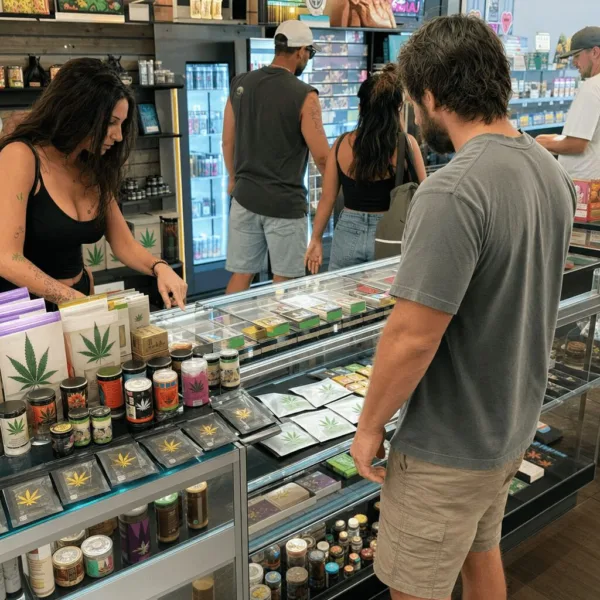
Let’s cut to the chase, here’s what’s actually gone down. In July 2024, Ohio lawmakers passed legislation effectively banning the sale of hemp-derived cannabinoids that can get you high, like Delta-8 THC and potent edibles. This intoxicating hemp ban aims to close ‘loopholes’ in the 2019 state law, which legalized certain hemp products under federal guidelines. According to WCPO News, enforcement starts this month, but lawmakers remain split on how to handle safe ingredients, labeling rules, and the differences between industrial hemp and cannabis. For a clear breakdown of what this ban means for your favorite cannabinoids—and how it impacts both consumers and shop owners—see this in-depth coverage of Ohio’s hemp Delta-8 ban. The ban’s momentum spiked after reports of minors gaining access to psychoactive edibles in unlicensed stores, but regulatory action hasn’t been matched with clear solutions: the state’s new rules outlaw Delta-8 and similar ‘intoxicants’ outright, yet haven’t funded or operationalized robust safety testing, licensing reform, or retail oversight. Small businesses are lobbying for amendments so their products are regulated, not banned. Meanwhile, many shop owners are confused whether their inventory suddenly violates the law, and state agencies, including Ohio’s Department of Commerce, have offered little guidance, resulting in uncertainty for everyone involved.
Expert Insights: What This Means for Cannabis Culture—and What Gets Lost
As a veteran in the cannabis scene, it’s clear these intoxicating hemp ban policies arise from a mix of caution, controversy, and misunderstanding. The average lawmaker may fear edibles gone wild, but in reality, responsible regulation works better than outright bans. If you look at states like Colorado or Oregon, their mature testing frameworks—outlined by NORML—have reduced accidental access and kept shops compliant. Industry voices echo this approach. According to Leafly expert Bruce Barcott, “Blanket bans have a history of backfiring, driving demand to unregulated street markets where products are riskier and businesses lose competitive incentives.” [Leafly]. Balanced policies would help Ohio prioritize safety, tax revenue, and consumer clarity, instead of repeating mistakes of prohibition-era thinking. Ongoing enforcement confusion and accidental access cases in other states—like those covered in the controversies surrounding tribal cannabis operations—demonstrate the importance of clear, robust standards for everyone’s protection. The fact remains, most disruptions happen when rules are rushed or vague, real safety comes from real standards, not black market fuel.
Future Outlook: Hope for Sensible Hemp Policy, Even After the Ban
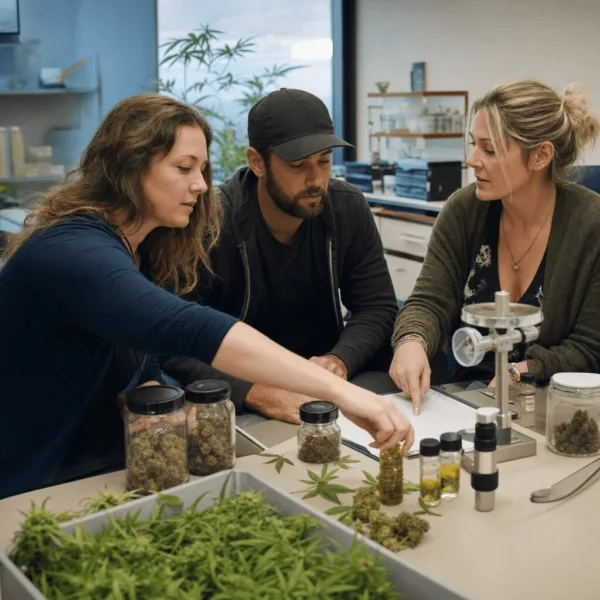
Here’s the silver lining: the cannabis industry keeps moving forward, no matter the bans thrown its way. As more states tweak their laws, there’s growing consensus that safe, tested hemp products are here to stay—even in the wake of the intoxicating hemp ban in Ohio. Advocates, scientists, and business owners are already working together, pushing for transparent regulations and educational outreach. With more responsible voices entering the conversation, there’s legit hope we’ll see a new era of clarity: hemp that’s clearly labeled, safely accessed, and regulated in ways that work for everyone. For now? Stay tuned, get involved, and keep up with credible updates from sources like Marijuana Moment and NORML. Ohio’s intoxicating hemp ban may be the story of the moment, but the endgame is smarter, fairer cannabis norms for all.
Originally reported by: wcpo.com
1 Comment
Pingback: Enterprise meth marijuana arrests: What really happened?