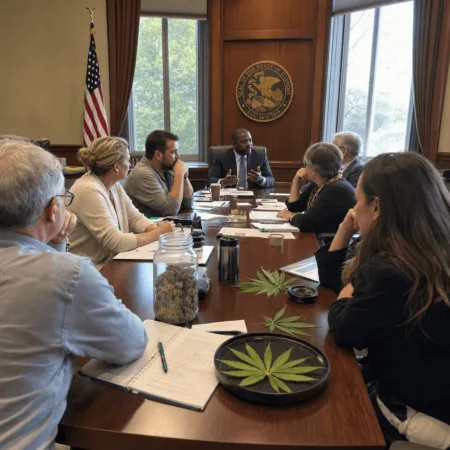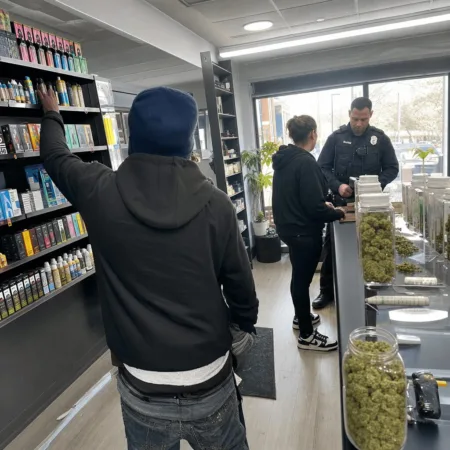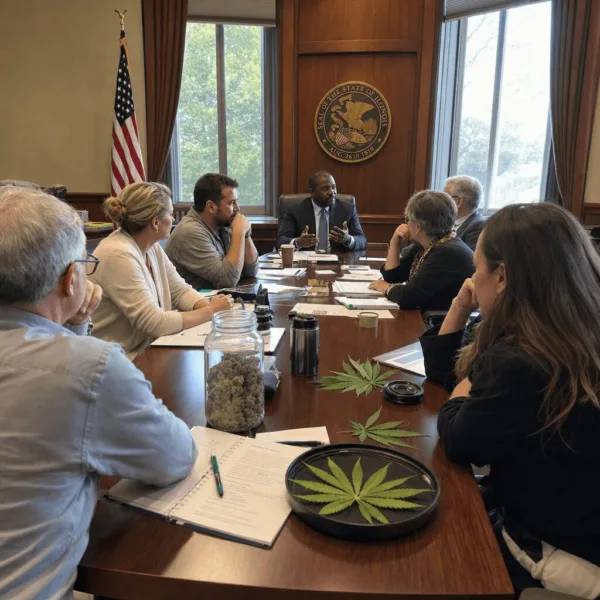


Right now, the Marijuana Garvin County trail is sparking heated debate in Oklahoma. As state marijuana industries find themselves at a crossroads between growth, scrutiny, and evolving laws, what’s happening in Garvin County matters far beyond its borders. Issues of cannabis legality, local enforcement, and public transparency are making this story relevant to anyone tracking the evolving, often controversial marijuana landscape. With fresh revelations, legal drama, and the spotlight on rural communities, the unfolding story of the Marijuana Garvin County trail offers both cautionary tales and new opportunities. Let’s dive into the tangled roots of this scandal, from regulatory messes to hidden field trails, and what it really means for the future of cannabis in America’s heartland.
Understanding the Background: How We Got to the Marijuana Garvin County Trail
To truly grasp the impact of the Marijuana Garvin County trail, you have to start with Oklahoma’s unique cannabis history. Since 2018, Okies have found themselves at the epicenter of a semi-green rush after the Oklahoma Medical Marijuana Authority (OMMA) opened the door to licensed medical marijuana. Unlike more tightly regulated states, Oklahoma handed out licenses to thousands of growers, causing an unprecedented spike in cannabis activity. For wider context, the Oklahoma recreational marijuana petition and citizen activism have demonstrated how quickly perspectives and policy can evolve, spotlighting the state’s readiness for change. While some call it entrepreneurial freedom, others warn it’s a wild, sometimes wild-west, terrain. Counties like Garvin, with sprawling farmland and minimal oversight, became hotspots for both legal and illicit grows. According to reports from The Daily Beast, authorities at both the local and state levels have struggled to manage bad actors amid legitimate business. Patchwork enforcement, conflicting jurisdiction, and rapid change make Garvin County a revealing slice of the challenges facing legal cannabis markets, where opportunity and chaos grow side by side.
The Trail Uncovered: Key Developments and Issues on the Marijuana Garvin County Trail
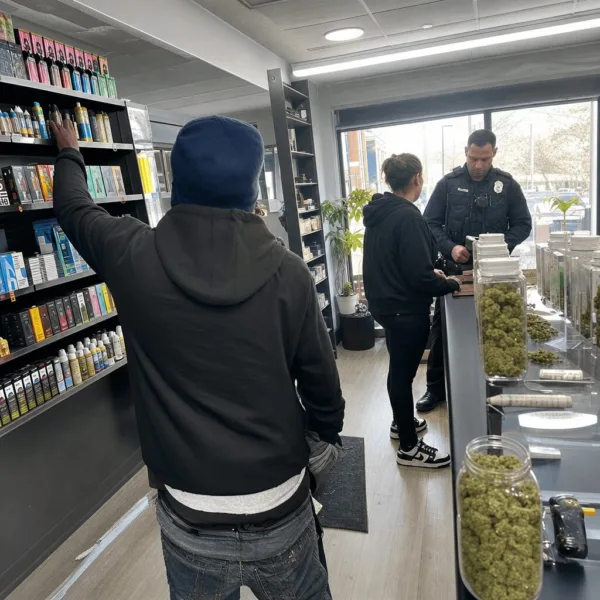
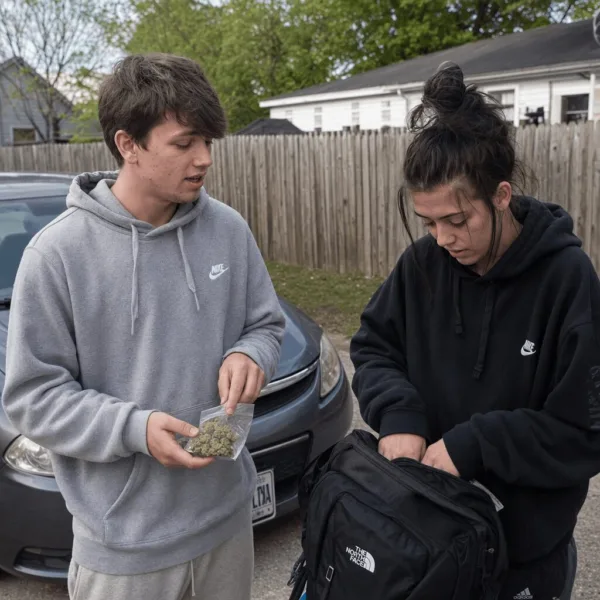
The Marijuana Garvin County trail story broke when a series of investigations found suspicious grow operations linked along rural backroads near Pauls Valley. According to a Pauls Valley Daily Democrat report, law enforcement uncovered a network of unlicensed weed grows—some allegedly acting as fronts for organized trafficking. Recently, law enforcement in other regions has experienced similar scenarios, such as the massive drug seizure in Coosa Valley, which highlights how rural locations can become hubs for illicit activity. On May 17, 2024, local authorities executed multiple warrants, discovering fields of marijuana hidden in plain sight. In one instance, nearly 500 mature cannabis plants were seized near a disused farmstead. Officials named companies like Green Barn Farms LLC as entities under scrutiny, while residents noted unusually heavy traffic and late-night activity on secluded country roads. OMMA spokeswoman Elaine Davis confirmed that license checks and compliance sweeps across Garvin County have increased since the start of 2024, coinciding with statewide efforts to curb black-market leakage. Regional prosecutor Mark Reavis stated that property owners are also under investigation for possible racketeering involvement. The trail, literally mapped out by the patchwork of confiscated evidence, has now drawn attention from both state and federal agencies. As the drama plays out, the Marijuana Garvin County trail remains both a cautionary tale and a call to action for more effective oversight.
Expert Insights, Analysis, and the Big Picture
Let’s be real, stories like the Marijuana Garvin County trail are the industry’s double-edged sword. On one hand, unchecked illegal grows undermine everything legitimate operators have fought for—public trust, safe product, and fair growth. On the other, crackdowns that overreach can damage the regulated marketplace and penalize good actors for the sins of a few. As cannabis policy analyst John Hudak told Marijuana Moment, “Oversight and transparency are crucial for legitimacy, but overregulation risks making compliance impossible for small farms.” The question of federal marijuana prosecution frequency still raises concern, especially for states grappling with evolving rules. Here, Oklahoma’s rapid-fire licensing regime has left regulators playing catch-up, as confirmed in a recent NORML news update. The Marijuana Garvin County trail isn’t just about law enforcement, it’s a litmus test for how states can balance rapid market expansion with effective public safety. The cannabis industry, like any other, relies on weeding out the bad actors so the rest can thrive. But let’s not forget, in almost every state with restrictive, slow-moving regulations, illicit markets still thrive. Only transparency, community engagement, and responsible legislation will shape a healthier future.
The Road Ahead: Opportunity on the Marijuana Garvin County Trail
What does the future look like beyond the Marijuana Garvin County trail scandal? Bright, if lessons are learned and the industry embraces accountability. Oklahoma is moving toward tighter licensing checks, mandatory tracking, and increased education for both operators and the public. As Leafly reports, states that adapt with balanced reforms usually see long-term industry growth, fewer illicit operations, and rising public trust. The hope is that stories like this spark constructive dialogue, not just more prohibition or panic. If Oklahomans—and folks nationwide—embrace legal, regulated cannabis with eyes open, the path forward is promising. More farms will thrive, patients and consumers will benefit, and rural counties can enjoy both economic growth and safety. As scrutiny settles, the Marijuana Garvin County trail will serve as a case study for future cannabis reform: messy but ultimately a sign of a maturing, resilient industry.
Originally reported by: paulsvalleydailydemocrat.com