



Texas Hemp THC Regulations: What Changes Mean for You
The world of Texas hemp THC regulations is changing fast—and trust me, everyone from local farmers to curious consumers should pay attention. With headlines buzzing about recent policy shifts and lawmakers rethinking the rules around hemp THC, this topic hits home for anyone invested in plant progress, social justice, or simply enjoying a legal cannabinoid. In this article, we’re breaking down the latest moves in Texas hemp THC regulations, key legislation updates, and what all the talk means for the future of industry and culture in the Lone Star State.
The Legal Landscape: How We Got Here with Texas Hemp THC Regulations
The story behind Texas hemp THC regulations is a wild ride through agriculture, activism, and economics. In 2019, Texas legalized hemp production through House Bill 1325, opening doors for thousands of new businesses. According to the Texas Department of Agriculture, this bill set definitions for hemp by capping THC levels at 0.3%, aligning with the 2018 federal Farm Bill. However, the explosive growth of hemp derivatives like Delta-8 and Delta-9 caught everyone off guard. Confusion spread about what was actually legal, sparking numerous court battles and regulatory debates. The patchwork of rules has created uncertainty for producers and customers alike, echoing how recent THC enforcement crackdowns in nearby states disrupted local markets. Regulators, according to The Texas Tribune, have faced the challenge of balancing economic opportunity with public health and safety, a tension now at the heart of new regulatory calls. All this is happening against a backdrop of broader shifts, as the national market for cannabinoids booms and Texas lawmakers eye both safety and tax revenue potential.
Inside Recent Developments for Texas Hemp THC Regulations
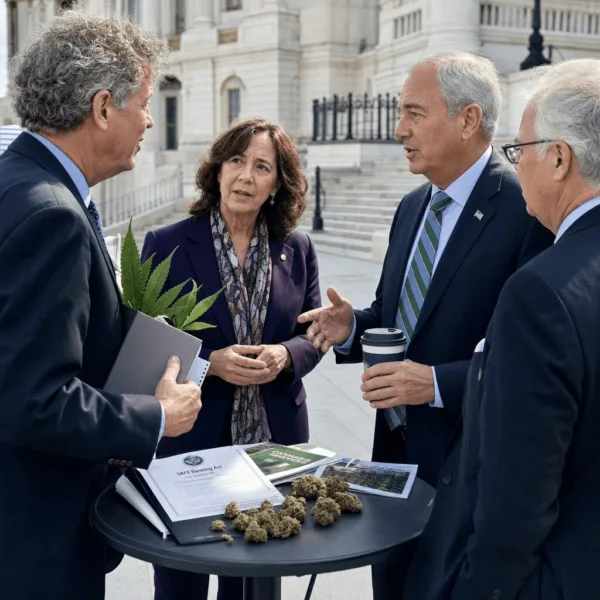
This spring, the Texas government sent shockwaves through the entire hemp community by calling for fresh regulations on consumable hemp THC products. According to Buchanan Ingersoll & Rooney PC, lawmakers signaled a need for new safety protocols and stricter definitions, especially around edibles and vape-infused hemp (think: Delta-8 gummies). The Texas Department of State Health Services (DSHS) was tasked to evaluate product safety standards, clarify labeling laws, and update the list of allowable THC isomers. Much like ongoing public debates seen after incidents such as the marijuana seizure that stunned Myrtle Beach communities, Texas has seen several high-profile lawsuits, including cases where retailers challenged DSHS product bans and labeling crackdowns. Houston-based companies like Hometown Hero have been at the center of these legal battles, fighting for broader access and consistent rules. Even as the debate heats up in Austin, dozens of city and county governments are taking local action, sometimes enforcing bans on specific hemp-derived cannabinoids. As of June 2024, new draft regulations await review, with public hearings expected to shape the final outcome by fall. Industry experts are watching this process closely, as it could reshape everything from who can sell hemp THC to how products are tested, labeled, and taxed throughout the state.
Expert Insights: The Real Impact of Texas Hemp THC Regulations
As someone who’s been around the block with Texas hemp THC regulations (and perhaps a few farmer’s markets), let me break it down: There’s never been a more critical time for clarity and common sense. The real risk isn’t responsible adults using vetted products, it’s misinformation and patchwork enforcement. Addressing the dangers of widespread misinformation is critical, as seen when popular video platforms spread misleading cannabis health information with little oversight. As Leafly reports, “Regulatory chaos only stokes confusion for both consumers and businesses,” says David Downs, a nationally recognized cannabis journalist. Legal uncertainty can stifle entrepreneurship, trigger expensive legal showdowns, and ultimately block safer products from reaching the market. On the other hand, a strong, science-based regulatory framework boosts accountability. “If Texas gets this right, they could become a powerhouse for quality, innovation, and consumer safety,” notes Leafly’s industry analysis. The recent drive for clearer Texas hemp THC regulations is about more than headlines, it’s about paving the way for a mature, respected market. Look at how Colorado and Illinois leveraged smart policy for growth and safety, as seen in Marijuana Business Daily’s annual reports. With recent FDA interest in cannabinoid product safety and the economic muscle of Texas agriculture, the Lone Star State is at a crossroads, but opportunity often grows where change happens.
The Road Ahead: Opportunity in a Changing Climate
If there’s one thing I’ve learned, it’s that the Texas hemp and cannabis space is built on resilience and hope. Sure, new Texas hemp THC regulations bring uncertainty, but they also offer a chance to set standards that protect consumers, empower entrepreneurs, and reflect what Texans actually want. According to NORML, public support for legal cannabis has never been higher. As lawmakers revisit policies, community engagement is key—public comments, responsible business practices, and education shape what comes next. While hurdles remain, smart regulations will help Texas emerge as a leader, not just a follower, in the ever-expanding world of cannabinoids. The bottom line? Whether you’re a patient, consumer, or business, stay tuned, stay informed, and trust that progress—slow as it may seem—remains inevitable.
Originally reported by: bipc.com
1 Comment
Pingback: Florida Prison Marijuana Ruling: Inmate Shares Hopeful Turn