Emerging Alternative Substances Healthcare: What’s Next?
Look, the world isn’t standing still—and neither are patients. The emerging alternative substances healthcare movement is shaking up clinics, boardrooms, and policy offices everywhere right now. Patients want real relief, not just one-size-fits-all pills. Healthcare providers, seeing the surge in plant-based and alternative treatments, find themselves navigating fresh regulatory waters and game-changing legal landscapes. Whether it’s responsibly integrating cannabis, exploring novel botanicals, or preparing for next-gen psychedelics, understanding this wave is mission-critical. In this piece, you’ll get the lowdown on the forces fueling change, headline regulatory shakeups, and the real scoop from inside the cannabis community. Heads up: we’ve got deep context, expert clarity, and practical insights on where emerging alternative substances healthcare is headed next.
Understanding the Regulatory, Legal, and Market Dynamics
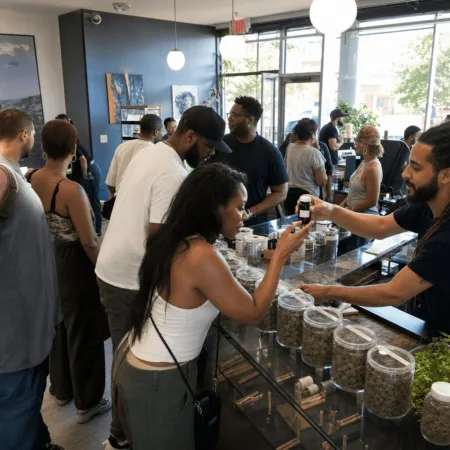
The surge in emerging alternative substances healthcare comes at a time when public sentiment, scientific research, and groundbreaking policy developments combine. Cannabis alone has undergone a remarkable transformation, with more than 39 U.S. states permitting some form of medical use (as confirmed by The National Conference of State Legislatures). Meanwhile, the FDA has started approving pharmaceutical-grade cannabinoids, indicating that the agency’s perspective on alternative therapies is evolving. On the social front, a majority of Americans now support expanded access to these therapies according to Pew Research Center, while private investments in integrative healthcare are booming. Market forecasts from Grand View Research predict the global alternative medicine market will surpass $400 billion by 2028, with plant medicines and cannabinoids leading the way. These trends are highlighted in several communities where unique events, such as community-focused gatherings merging cannabis education and outreach, illustrate mainstream healthcare providers can’t ignore the rise of emerging alternative substances healthcare. But as cannabis, psychedelics, and novel botanicals gain traction, clinics and providers juggle federal and state laws, insurance obstacles, and rapidly shifting best practices. Regulatory clarity is still emerging, so healthcare professionals must navigate the noise and uncertainty to stay compliant and support patients safely.
Major News: Providers, Regulations, and Real-World Impacts
Recently, the conversation about emerging alternative substances healthcare picked up speed at the 2025 NAPABA Convention, a major event spotlighting tension between innovative therapies and existing healthcare policies. High-profile speakers from legal, medical, and provider communities delivered urgent updates. According to Husch Blackwell’s summary, prominent panels dissected new legal risks, ethical frameworks, and liability issues around alternative medicines—especially cannabinoids and upcoming psychedelic treatments. Key developments include:
- Leading health systems are drafting policies for documenting and dispensing alternative substances, emphasizing patient safety and compliance at the state level.
- Attorneys noted that federal restrictions continue to create obstacles for providers, even where local regulations allow medical cannabis, an issue at the heart of ongoing legal debates described in recent court cases examining federalism and medical marijuana.
- Thought leaders explored how cannabinoid-based therapies are being successfully integrated in pain management and oncology—setting templates for future substances.
- Legal teams urged providers to keep an eye on DEA scheduling news, particularly as federal cannabis rescheduling gains momentum according to NORML.
- Advocates spotlighted lingering gaps in patient access, with insurance coverage and stigma lagging behind clinical acceptance.
These updates show that emerging alternative substances healthcare is more than a trend—it’s driving real changes in clinical, legal, and patient care environments.
Expert Perspectives and the Cannabis Community’s Take
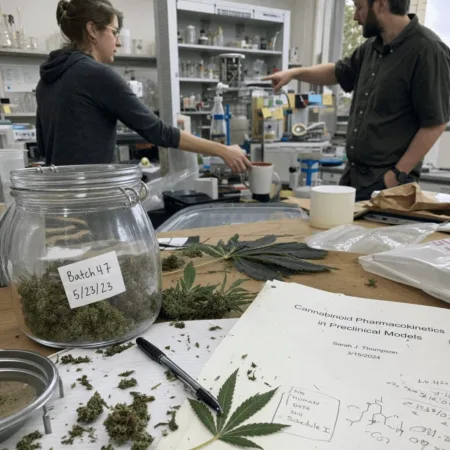
In truth, emerging alternative substances healthcare is where science, practical patient needs, and common sense finally converge. According to Dr. Ethan Russo, neurologist and industry leader, “The endocannabinoid system is crucial to human health, so dismissing cannabis or other botanicals out of hand ignores hard science” (source: National Institutes of Health). Major research now shows cannabinoids are beneficial for chronic pain, anxiety, and seizure disorders—but practical integration requires clear protocols rather than optimism alone. There is a growing consensus that education is more effective than fear, and the move toward legalization is helping reduce risks and encouraging collaboration between patients and clinicians. As further evidence, recent studies published in JAMA Network point to regulated medical cannabis access lowering opioid prescriptions and improving outcomes. Industry veterans underscore that smart regulation and community involvement offer the best way forward. For communities adjusting to the real-world challenges of new cannabis markets, perspectives on why grey markets and regulatory workarounds still endure are discussed in analyses like current reports on persistent cannabis grey markets. With balanced adoption, ongoing quality controls, and thoughtful policy, the sector can move ahead responsibly.
Looking Ahead: Growth, Acceptance, and Smarter Regulation
The future for emerging alternative substances healthcare looks bright and green. As regulatory frameworks catch up to science, barriers to safe access will keep crumbling. Providers who embrace transparent education, documented best practices, and inclusive patient care will set the gold standard. Public interest won’t slow down—and neither will scientific innovation. The bottom line? Cannabis and other novel therapies are carving out their permanent place in clinics. According to New Frontier Data, the compound annual growth rate for cannabis-based healthcare products outpaces conventional pharma in some states. Acceptance is growing, stigma is fading, and patients are getting the options they deserve. Let’s keep advocating, stay informed, and push for a regulatory environment that lifts all voices and puts patient well-being first. The new era of emerging alternative substances healthcare is here—and it’s just getting interesting.
Originally reported by: huschblackwell.com