


Budtender Cannabis Health Advice: What They Can (and Can’t) Say
The world of cannabis is rapidly changing, with legalization spreading and new wellness products flooding the market. Many people now turn to budtenders for cannabis guidance at their local dispensaries. However, not everyone knows where the line is drawn when it comes to budtender cannabis health advice. As customers seek clarity about what’s safe, effective, or medically appropriate, it’s essential to unpack what budtenders can — and cannot — legally discuss. This article walks you through the fine print, explains the laws shaping the dialogue, and highlights the latest developments you should know.
Understanding the Legal Landscape Behind Budtender Cannabis Health Advice
Across North America, the cannabis landscape is wildly regulated. Federal law still classifies cannabis as a Schedule I substance in the United States, and each state has created its own cannabis framework. In Canada, while cannabis is federally legal, provincial rules dictate retail and health communication specifics. Budtender cannabis health advice is strictly regulated to protect consumers and keep retailers compliant with current laws. As the cannabis market continues to evolve and new retailers bring change to city neighborhoods, these shifting regulations are seen in both operation and community life, much like what has happened with the bold changes brought by cannabis retailers to urban cores.
Health Canada restricts any non-medical sales professionals from making claims about the benefits of cannabis in treating specific diseases or medical conditions. In the U.S., the FDA limits what dispensary staff can say about medical outcomes, as cannabis is not an approved drug and budtenders are not healthcare professionals. Consequently, companies train budtenders to avoid giving medical advice, instead focusing on education and product knowledge. This creates a dynamic where budtenders are often seen as guides, but regulation means their language must be careful, factual, and compliant with local laws (FDA Public Health Focus).
Key Developments: What Budtenders Can and Cannot Say
Let’s dive into the core facts from recent discussions and updates. According to StratCann, the latest regulatory reminders emphasize that budtender cannabis health advice must avoid making direct claims about treating, preventing, or diagnosing health conditions. For example, budtenders can talk about terpene profiles, indica/sativa distinctions, consumption methods, and general product effects (like “relaxing” or “uplifting”), but not medical benefits.
In 2024, several Canadian provinces reminded licensed retailers of strict compliance. For instance, British Columbia explicitly warned dispensaries against letting staff recommend cannabis for specific symptoms or medical conditions, as only registered medical professionals can do so. Meanwhile, in states like California and Colorado, strict retail training programs have been implemented, aiming to keep advice focused on product quality and effects rather than medical use (California AG Guidance). This shift in enforcement recalls similar debates that have arisen in smaller communities facing increased scrutiny over cannabis, as demonstrated by recent incidents that sparked wider cannabis policy discussion.
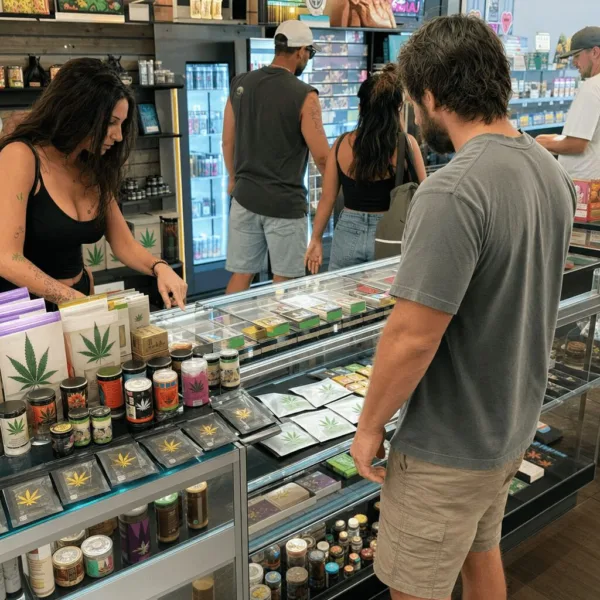
Retailers have introduced “safe zones,” where budtenders respond to customer health queries by suggesting broader research, pointing to credible sources, or advising consultations with certified healthcare providers. This shift keeps retailers compliant with rules, while still supporting the needs of cannabis consumers hungry for information.
Expert Insights and Pro-Cannabis Analysis
Regulation may seem heavy-handed, but ensures consumer safety by encouraging accurate and unbiased cannabis education. Experts generally agree that while dispensary staff can be an invaluable source of product education, they should avoid stepping into the realm of healthcare advice. As Lift industry editor Kate Robinson puts it: “Budtenders are the frontline, helping customers navigate products, but the medical stuff is best left to doctors trained in cannabinoid science.”
The shift in how dispensaries handle budtender cannabis health advice echoes a broader movement toward cannabis normalization and professionalism. Community-driven cannabis initiatives continue to inspire change within the industry, highlighted by landmark events such as the inspirational gatherings focused on Indigenous cannabis business. Staff can build trust by honestly sharing the limits of their knowledge, providing information on strain differences, dosing, or safe usage, and encouraging clients to seek medical guidance from licensed professionals. This responsible approach ultimately strengthens the legitimacy of the cannabis industry in the eyes of regulators and the public.
Looking Forward: Cannabis Advice, Consumer Empowerment, and Compliance
The future of budtender cannabis health advice rests in striking a careful balance: delivering real value for consumers while respecting legal boundaries. As regulations evolve and more clinical research surfaces, retail staff will likely receive more advanced, structured training on cannabis science. According to Leafly’s industry reports, the push for higher standards and transparency is making the cannabis experience safer and more informative than ever before.
Ultimately, this new era of cannabis retail will continue to empower consumers while ensuring that everyone — from first-timers to seasoned connoisseurs — gets balanced, compliant, and genuinely helpful guidance. The industry’s steady march toward social acceptance, fair regulation, and scientific rigor suggests optimism for those curious about cannabis’s health potential, with knowledgeable budtenders lighting the way.
Originally reported by: stratcann.com