

Cannabis Drug Testing Problems: What’s Really Happening?
Let’s get real: the surge in adult-use cannabis, state-level legalization, and evolving workplace and driving laws have brought cannabis drug testing problems into sharper focus than ever. Recent news reveals a crossroads for regulators, employers, advocates, and everyday drivers. Inconsistent policies, unreliable roadside testing, and legal gray areas are colliding in ways that impact not just your rights but also public safety and personal freedom. This article dives into what’s truly happening, why it matters now, and what needs to change. We’ll break down the trends, dig into the legal mess, and offer insights from industry insiders—giving you a clear, honest look at cannabis drug testing problems right when this debate is heating up.
Inside the Mess: Cannabis Drug Testing Problems & Industry Context
The conversation about cannabis drug testing problems lands at the intersection of evolving state cannabis laws, workplace policies, and rising social acceptance. Cannabis’ new legal status in dozens of states has regulators scrambling to catch up. Old-school testing protocols, rooted in the war on drugs, often can’t distinguish between recent impairment and past use, which becomes even more apparent when considering how communities are influencing the future of access and regulation in different markets, much like in Jackson County where local voices are actively shaping medical cannabis dispensary policies. This is especially troubling for both medical patients and folks facing zero-tolerance employer policies. According to data from Leafly’s Jobs Report, the industry keeps growing fast, drawing attention to the gap between social change and regulatory readiness. Meanwhile, experts at NHTSA note that current impairment detection for cannabis can’t match the accuracy of tests for alcohol. As more drivers, workers, and business owners navigate these issues, the need for tech upgrades and fairer laws becomes urgent.
Recent Developments: How Cannabis Drug Testing Problems Are Playing Out
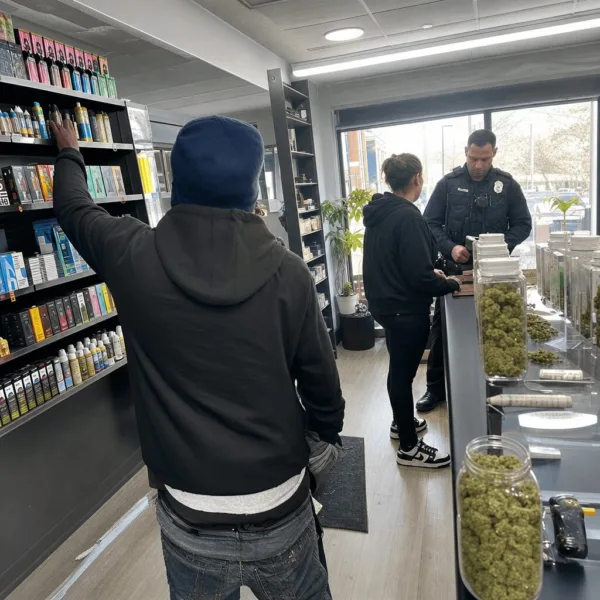
Let’s break down what the original reporting uncovered. Recently, law enforcement across New York and other legal states have found themselves at a crossroads, struggling to handle an uptick in drugged-driving cases. The trouble? Cannabis drug testing problems are undermining reliable roadside enforcement. Officers often rely on old urine and saliva tests that can’t pinpoint when someone last used cannabis. According to a 2023 NHTSA whitepaper, the presence of THC in bodily fluids isn’t a direct indicator of impairment, leading to wrongful accusations and legal confusion. The Adirondack Daily Enterprise highlighted several high-profile incidents, including a 2023 case where a driver faced serious charges even when evidence of true impairment was sketchy. Lawmakers, meanwhile, are being pressured by both public safety advocates and the cannabis industry to develop better testing standards. Some states are experimenting with new roadside devices, but even these are inconsistent. As the legal cannabis market surges, confusion grows over what it means to be “under the influence” and how that impacts employment, driving privileges, and consumer trust, as observed in recent events such as the community’s shocked reaction after a major CBD shop raid in Abilene.
Expert Analysis & Pro-Cannabis Perspective: Where Logic and Fairness Collide
So what’s the real-world impact of cannabis drug testing problems? First, current protocols don’t even try to distinguish between someone who’s actively impaired and someone who just enjoyed their Friday night edible. A recent Leafly analysis points out that THC lingers in the system for days or weeks, while impairment wanes after a few hours. This disconnect fuels unfair job terminations, criminal charges, and a climate of confusion for medical users. Cannabis advocate and researcher Dr. Ethan Russo says, It’s high time our testing standards caught up with science. Punishing people for legal, off-duty cannabis use is just bad medicine.
(NCBI – Dr. Ethan Russo). Even the National Organization for the Reform of Marijuana Laws (NORML) acknowledges that impairment standards must be science-based, not stigma-driven. Progressive regions like Canada have adopted oral fluid and behavioral testing, but even these methods aren’t foolproof. True industry experts call for policies rooted in impairment, not detection of past use, which is why gatherings that encourage open dialogue and industry collaboration, such as the Ohio Cannabis Summit revealing new industry opportunities and shifts, are so vital moving forward. The industry’s innovation engine needs to keep pushing for smarter science and fairer laws.
The Road Ahead: Smarter Cannabis Laws and Testing
So where do we go from here? Cannabis drug testing problems are the canary in the coal mine of broader regulatory reform. Employers, patients, drivers, and lawmakers need modern standards that reflect actual science, not scare tactics. The good news: as the legal market grows, so does political and social momentum for fairer, safer, and more nuanced testing protocols. Early adopter states and industry leaders are starting to prioritize impairment-based solutions—bringing hope for a future where responsible cannabis use and public safety coexist. Forward-thinking law changes, new tech, and a culture of education will keep this conversation evolving. With each legislative and scientific breakthrough, the stigmas fade—and the industry moves another step closer to being judged fairly, not fearfully.
Originally reported by: adirondackdailyenterprise.com