





Caye Caulker Marijuana Referendum: Church Says No – Find Out Why
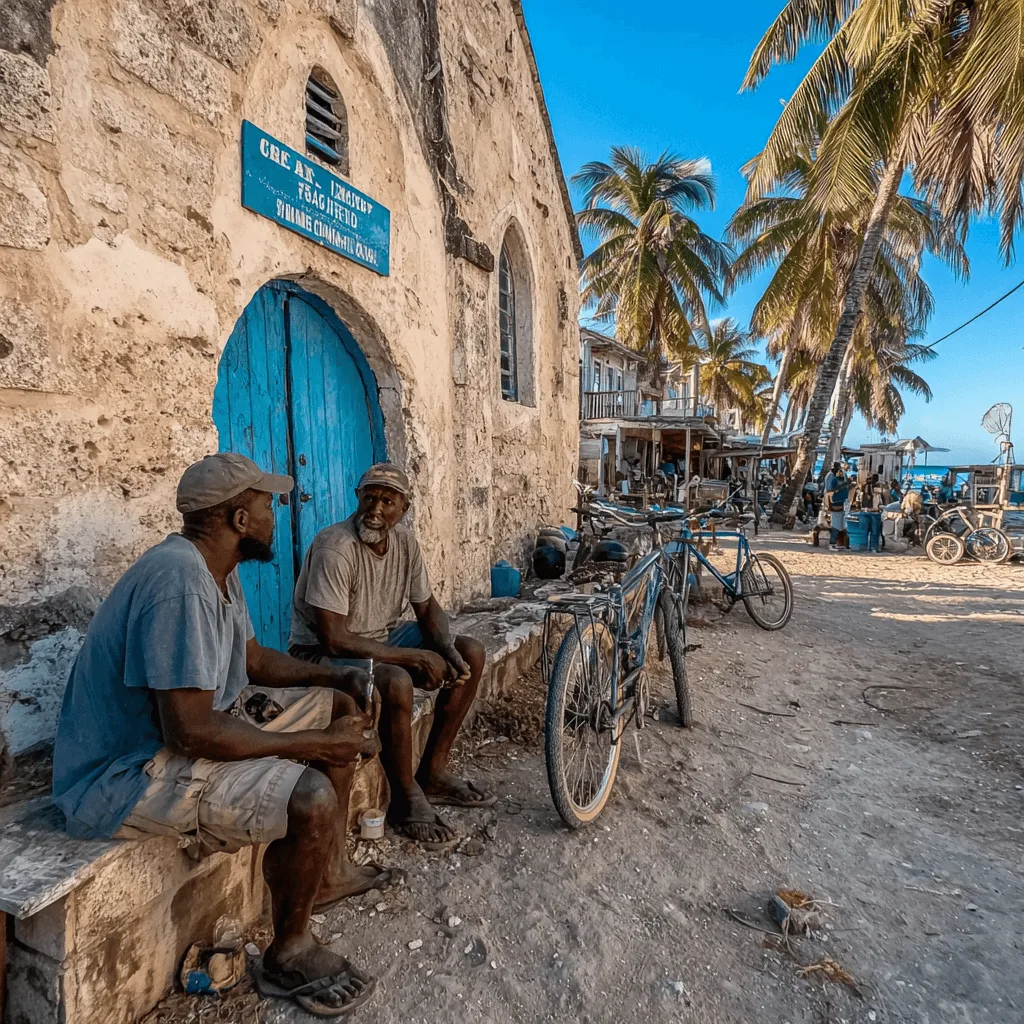
Island vibes, sandy roads, and the smell of social change—welcome to the Caye Caulker marijuana referendum, Belize’s latest battleground for cannabis policy. This vote isn’t just a local issue: it’s the latest episode in a global wave of marijuana reforms crashing into small communities. As the church and cannabis supporters face off, the outcome here could set the tone for pot policy on tourist islands everywhere. In this article, we’ll break down what’s at stake, who’s making noise, and why everyone’s got an opinion about the future of weed on Caye Caulker.
Regulatory, Legal & Social Background: The Stakes on Caye Caulker
Belize, long famous for its laid-back islands and car-free streets, sits at a crossroad on cannabis regulation. Internationally, countries across the Caribbean and Latin America have been reforming marijuana laws (Brookings Institute), with Uruguay, Mexico, and multiple US states leading the way. Belize’s government has discussed regulated marijuana for years. Until now, only small, personal amounts have been quietly tolerated in practice, but clear legal frameworks remain shaky. The Belize Misuse of Drugs Act still technically prohibits cannabis, despite recent government moves to debate legalization for medical and recreational use. In places like New York, the debate now pivots toward questions of tax revenue and market forecasting, as seen in recent expert revenue predictions. Caye Caulker, known for its relaxed, youthful charm and booming tourism, is a natural testbed. It blends international backpackers with local families rooted in church life, making it a microcosm of Belize’s wider social debate. The Caye Caulker marijuana referendum matters right now because its outcome could reflect and even drive national legislative shifts, especially as tourism operators, investors, and local leaders all watch closely. A powerful church presence, significant elderly population, and active youth groups make for a lively, sometimes heated, democratic process.
Key Developments: The Referendum, The Church, and the Community
Here’s what’s going down, with legal debates heating up in 2024, the Caye Caulker marijuana referendum was scheduled after increased calls for formal cannabis regulation from local residents, business owners, and international visitors. According to Greater Belize news reporting, the island’s Catholic Church has launched a passionate campaign urging residents to vote ‘No,’ citing concerns about youth safety, community cohesion, and moral direction. Local forums, ranging from beachside bars to church halls, have seen spirited debates. Community leaders like Pastor Emilio Gutierrez have highlighted risks of normalization, claiming, “We simply cannot expose our children to more drugs under the guise of progress.” On the flip side, local fishermen, tour guides, and entrepreneurs are pointing to economic uplift if marijuana is regulated, echoing trends seen in Jamaica and Colorado. Ballot information distributed by the Caye Caulker Village Council lays out the legal stakes, a ‘Yes’ vote would urge national legislators to push for clear, systematized cannabis rules, while a ‘No’ vote supports business as usual. In situations elsewhere where dispensaries faced legal or community pushback, like in Southampton, whole industries can be shaken up by local decisions, as seen when a restraining order at a local dispensary sent shockwaves through that region. Recent coverage from Channel 5 Belize highlights the church’s partnership with parent-teacher associations and youth clubs, making this more than just a church and government showdown. Tensions ran high on referendum day, as visible police presence and media crews signaled the broader stakes for Belizean democracy.
Expert Analysis & Pro-Cannabis Counterpoints: The Case for Change
The Caye Caulker marijuana referendum is more than a moral tug-of-war, it’s a sign of Belize’s chance to join a smarter, evidence-based club. Globally, countries have unlocked fresh revenue, job growth, and improved public safety by legalizing and regulating marijuana, according to detailed industry tracking by New Frontier Data and respected sources like MJBizDaily. Dr. Alejandra Perez, a cannabis public health advisor from Filter Magazine, notes: “Community fears are valid, but data shows that well-regulated cannabis markets reduce black market activity and give locals, especially small island communities, a say in their economic future.” Communities from Colorado to Jamaica have already navigated these waters. Belize has a unique chance to blend its strong local culture with smart safeguards to avoid tourism-fueled excess and youth access, all while unlocking job creation for islanders. Still, the argument isn’t just economics. Ending decades of stigma, criminalization, and arbitrary enforcement could repair trust in policing and allow for honest, science-driven conversations about public health and youth education. Studies tracked by the National Organization for the Reform of Marijuana Laws (NORML) point to declining youth usage rates in regions that legalize and focus on responsible education. Such intersections of law enforcement, drug culture, and regulatory adaptation parallel cases like how law enforcement in Bengaluru adapts to drug enforcement challenges—offering lessons that resonate with Belize’s current crossroads.
Future Outlook: Caye Caulker & Cannabis Culture’s Next Wave
No matter how the final ballots swing, this Caye Caulker marijuana referendum is another bold chapter in Belize’s marijuana story. As more countries embrace regulation over prohibition, pressure will only build on lawmakers to modernize. Even the island’s skeptics are starting to see the need for honest dialogue and local control. According to leading market research from Prohibition Partners, the global cannabis industry is forecasted to grow steadily in the next five years as stigma fades and policy catches up with everyday realities.
Caye Caulker’s referendum could light the path—showing that open debate, even when tense, brings a stronger, more resilient community. If Belize harnesses its natural charm and sense of community spirit, it could create a cannabis model that serves both locals and visitors, with smart boundaries and shared benefits. Consider this a dawn for real cannabis conversations in the Caribbean—and get ready, as the tide keeps rising.
Originally reported by: greaterbelize.com
1 Comment
Pingback: Trump Marijuana Schedule Change: What It Means For Science