





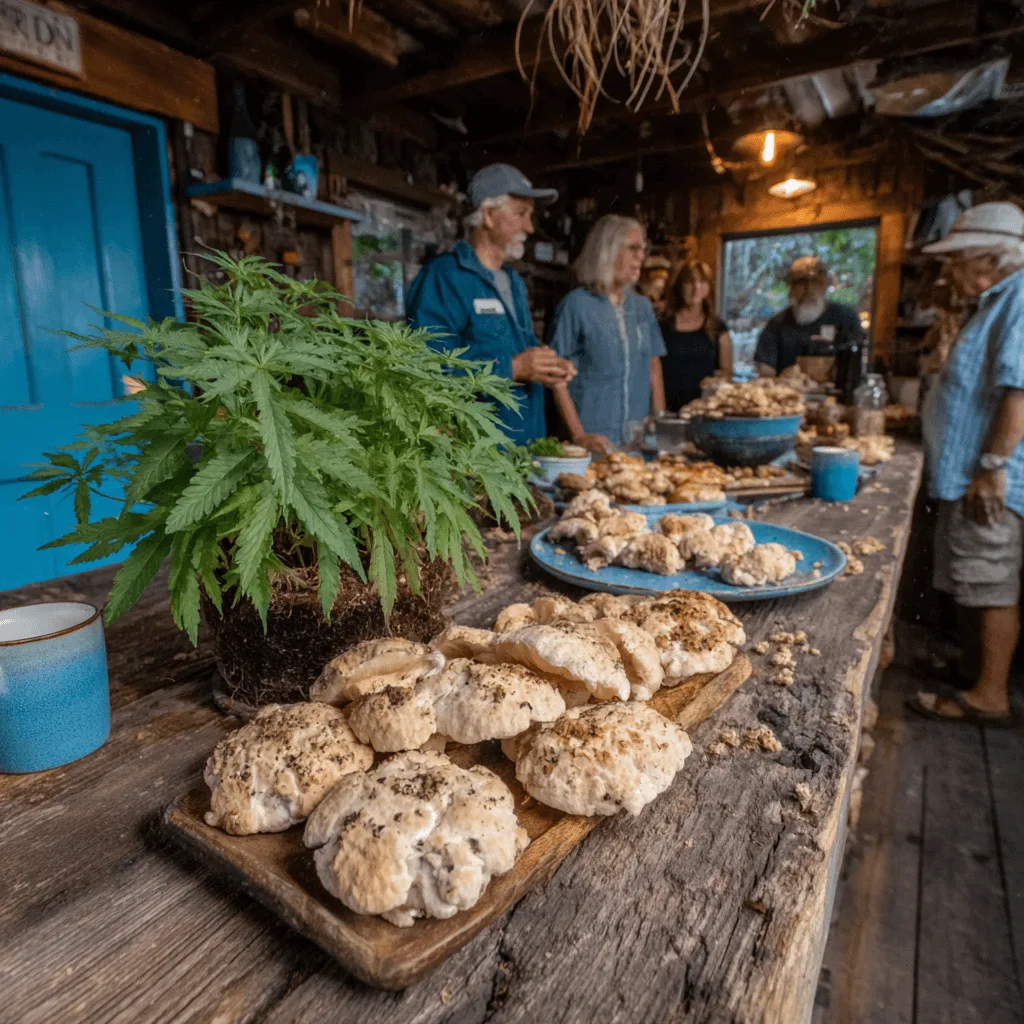
Psilocybin Chronic Pain Relief: Surprising Brain Circuit Breakthrough
Let’s be real—chronic pain is a daily grind for millions, and finding legit relief isn’t easy. That’s why talk about psilocybin chronic pain relief is booming right now. Scientists are making jaw-dropping discoveries about how this old-school compound can help people when even pharmaceutical heavy-hitters can’t. And with legal, social, and industry shifts coming in fast, it’s a vibe shift worth tracking. Buckle in for a deep dive into the latest research, regulatory side-eye, and what’s next for cannabis, psilocybin, and chronic pain warriors.
Background: Shifting Laws and Industry Momentum
For decades, psilocybin—the big player in so-called ‘magic mushrooms’—was boxed out by harsh drug policies. But thanks to new medical research and a huge push for patient rights, authorities are rethinking the rules. JAMA reports a surge in clinical interest, especially for pain cases where conventional treatments fall flat. From Oregon’s ballot-backed decriminalization to steady grassroots activism in places like Denver, policymakers are starting to weigh patient autonomy against outdated stigma. The push for patient rights and changing marijuana laws echoes recent events where industry change was forced by high-profile headlines, as seen in situations like community-shaking enforcement actions. And with psilocybin chronic pain relief stepping into the spotlight, everyone from doctors to dispensary owners is paying attention. The intersection of pain research and natural therapies is finally getting its due across North America and Europe, putting regulatory agencies, and pharmaceutical giants, on notice.
Key Developments: Penn Medicine’s Circuit-Busting Discovery
The big headline today? Penn Medicine researchers cracked open new territory by mapping out how psilocybin actually targets brain circuits linked to pain and depression. Their studies, out in May 2024, highlight how psilocybin sparks changes in the brain’s reward pathways, the same spots chronic pain hijacks, leaving folks stuck in misery. The official UPenn release explains their team used advanced imaging to watch the brain in real time as patients responded to psilocybin. They spotted big shifts in circuit activity, especially in people with ‘treatment-resistant’ pain. This could signal a game-changer, as chronic pain patients often bounce from opioids to antidepressants with little relief or hope. Industry observers are buzzing. With clinical trials ramping up, and the CDC estimating over 50 million Americans endure chronic pain, the implications are huge for healthcare, insurance, and even legal reforms. This momentum is similar to the surge of interest seen in the booming growth of the CBD edibles market.
Analysis: A New Era for Cannabis and Natural Therapies?
Let’s get into the weeds. For years, cannabis advocates have fought tooth and nail for plant medicine acceptance. Now, psilocybin chronic pain relief is boosting that case with cold, hard science. According to Dr. Ethan Russo, a leading neurologist and cannabis advocate, “The future of pain management must consider non-traditional options. What we’re seeing with psilocybin is just the tip of the iceberg” (Leafly interview). This research fits hand-in-glove with observations from the cannabis industry, where patient diversity and individualized treatment matter. Clinical journals and reports—from Health Affairs to JAMA—agree we need more human-centered research like this. The crossover between therapies is getting as much attention as the surprising resilience shown by investors and advocates even in unpredictable markets, much like when market surges catch regulators and analysts off guard. And nobody’s ignoring the potential for cross-over therapies combining cannabis and psychedelics; the synergy could be wild (in a good way). But industry insiders warn, don’t count your trippy chickens until regulatory frameworks catch up, so advocacy and education are still essential. One thing’s clear: patient empowerment is driving the demand for new options beyond pharmaceuticals.
The Road Ahead: Breakthroughs, Community—And More Hope
This latest wave of psilocybin chronic pain relief research marks a turning point in the chronic pain struggle. The UPenn findings shine a bright light on therapeutic frontiers mainstream medicine once ignored. Regulators, clinics, and—most importantly—everyday people battling pain are watching closely. As more cities nod toward reform, and when credible sources like the NIH acknowledge these studies, the momentum shifts toward safety, compassion, and real-world impact. Cannabis, psilocybin, and patient activists are on the same team—fighting for relief, respect, and better lives. With every step, we move toward a future where natural, low-stigma options are part of the mainstream pain toolkit, ensuring hope for millions. Let’s keep the conversation going and push the boundaries of what healing really means.
Originally reported by: penntoday.upenn.edu


1 Comment
Pingback: Nebraska Medical Marijuana Regulations: Senator's Bold Move