Ashburn Drug Bust Seizure: Cocaine, Mushrooms, PCP Confiscated
Let’s talk about the Ashburn drug bust seizure rocking recent headlines. This story matters because it highlights ongoing battles between evolving cannabis norms and traditional drug enforcement. While regulators debate and the public questions old assumptions, this bust spotlights real-world impacts of policy. In this breakdown, we’ll roll through what happened, where industry experts stand, and why these debates hit harder now as cannabis laws shift nationwide.
Understanding the Regulatory and Social Backdrop
The Ashburn drug bust seizure took place in a context of rapidly changing cannabis legislation and shifting social attitudes toward the plant. On one hand, states like Virginia have begun to ease cannabis restrictions, allowing both medical and limited adult use, yet law enforcement still aggressively targets broader drug activity involving substances like cocaine and psychedelics. According to NORML, Virginia’s evolving legal framework struggles to balance justice reform with longstanding prohibitionist attitudes. Meanwhile, local police and courts face pressure to distinguish cannabis from hard drugs, a distinction still blurred in some neighborhoods despite state-level progress. Lawmakers in other states also face unique hurdles, with legal uncertainties and changes impacting local cannabis regulations in places like Minnesota. The result? Confusion, inconsistency, and the kind of controversy the Ashburn drug bust seizure brings into focus. Nationally, Gallup polls show public support for legalization at historic highs, yet regulatory bottlenecks and stigma still lead to heavy-handed crackdowns—especially when multiple substances are involved. All of this provides critical context for understanding why the Ashburn case isn’t just another local headline, but a flashpoint in larger legal and cultural trends.
Key Developments & Issues in the Ashburn Drug Bust Seizure
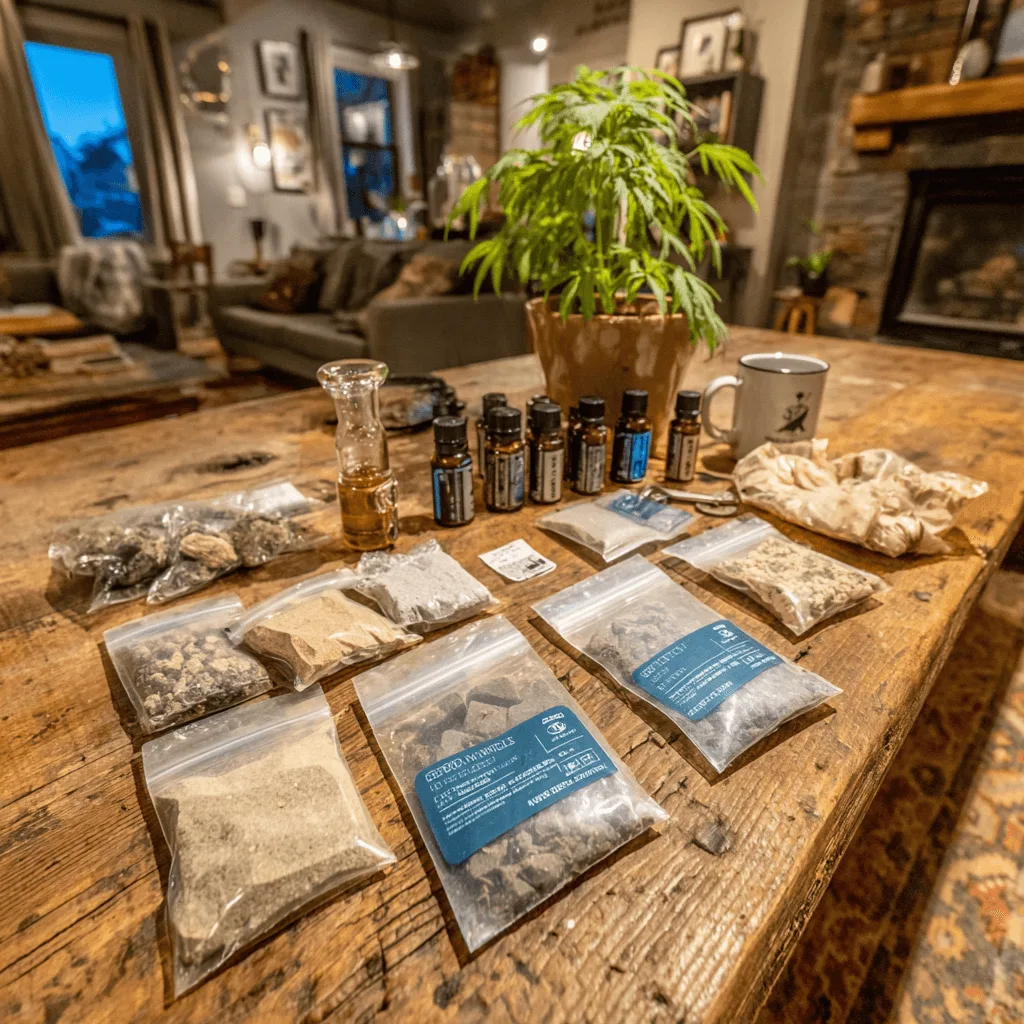
On June 5th, 2024, Loudoun County law enforcement, acting on an in-depth investigation, descended on a residential property in Ashburn, Virginia. Officers confiscated significant quantities of cocaine, dried psilocybin mushrooms, PCP, marijuana, and a small arsenal of firearms and ammunition. The operation, covered in detail by WJLA News, resulted in the arrest of James Lamarr McTillman. As seen in cases like the recent marijuana seizure that raised national questions about enforcement priorities, a combination of controlled substances alongside weapons triggered felony trafficking and distribution charges. Police emphasized their role in “keeping dangerous substances and weapons off our streets”, while the media pointed out the cocktail of seized items: not just hard drugs like cocaine and PCP, but also cannabis and mushrooms, both facing shifting regulatory status in Virginia and nationally. The Ashburn drug bust seizure has thus become a high-profile example of how policing adapts, or struggles to adapt, to emerging drug laws. It also spotlights ongoing questions about proportionality, equity, and the effectiveness of prohibition-era enforcement tactics in a country where legal cannabis is increasingly the norm.
Expert Analysis, Industry Insights, and Cannabis Counterpoints
These kinds of seizures often stir up heated debate among policymakers, community leaders, and advocates alike. Cannabis industry veterans point out that lumping marijuana in with more dangerous narcotics can distort public perceptions and perpetuate outdated narratives. As Leafly News argues, “Policies that equate cannabis with hard drugs not only waste public resources, but undermine trust in the legal system.” For those seeking relief, medical marijuana has provided notable breakthroughs for chronic pain without the risks linked to harsher narcotics. The Ashburn drug bust seizure highlights deep systemic contradictions: while cannabis retail markets are booming in states like Maryland and New Jersey, individuals in neighboring regions remain subject to criminal prosecution simply for proximity to the plant, even when evidence of intent to distribute is ambiguous and the true public safety threat is unclear. Culturally, the ongoing federal prohibition of cannabis persists despite mounting scientific evidence of its therapeutic value. No legitimate expert is arguing cocaine or PCP should be freely available, but the inclusion of cannabis and natural fungi like mushrooms in such seizures calls for a reevaluation of priorities. As NORML’s executive director Erik Altieri put it, “Continuing to target cannabis alongside harmful substances does nothing to advance public health or justice.” With more Americans now employed in legal cannabis than ever before, these legal double standards increasingly seem out of step with both science and democracy.
Future Outlook: Reform, Social Change, and Cannabis Community Resilience
Despite setbacks like the Ashburn drug bust seizure, momentum continues to build for sensible cannabis reform. Industry analysts from MJBizDaily report unprecedented investment, entrepreneurial growth, and mainstream social acceptance of cannabis across the United States. The legal landscape is imperfect, but public sentiment is shifting rapidly toward normalization, especially for nonviolent cannabis offenses. Policy experts project that the combination of economic benefits, lower crime rates in regulated markets, and bipartisan support for reform will eventually force harmonized federal and state policies. In the meantime, the cannabis community remains resilient—a mix of advocates, patients, and responsible consumers pushing back against stigma and outdated enforcement. The Ashburn drug bust seizure is a reminder that the journey toward fair and fact-based drug policy is ongoing. But as more voices push for equity and common-sense reform, the future remains bright for those who believe in a smarter, safer, and more inclusive cannabis world.
Originally reported by: wjla.com