Wisconsin Hemp Legislation: What the New Bill Means for You
There’s a new buzz across Wisconsin, and it’s not just the sound of bees pollinating your neighbor’s backyard grow. The conversation around Wisconsin hemp legislation is heating up due to a fresh bill targeting intoxicating hemp-derived products. With evolving attitudes and fresh legal battles, understanding the ins and outs of hemp laws right now is crucial for anyone in the cannabis space—from farmers and shop owners to curious consumers. We’re breaking down what this legislation means, where the industry stands, and what’s likely coming next, all served up with a relaxed but expert perspective. If you thought hemp was old news, think again—the game is changing fast.
Background: Shifting Laws, Markets, and Attitudes on Wisconsin Hemp Legislation
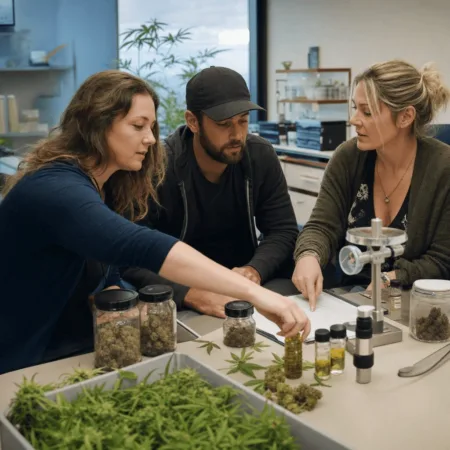
Let’s set the scene: Wisconsin has been riding the hemp wave since the 2018 Farm Bill federally legalized industrial hemp (as confirmed by the USDA’s Farm Bill Overview). State lawmakers moved quickly, licensing hundreds of growers and processors eager to tap into new economic opportunities. As cited by Hemp Industry Daily, Wisconsin rapidly became a Midwest leader in hemp acreage and small businesses. With recent changes to medical marijuana programs, more patients have sought plant-based solutions for chronic pain relief, reflecting a wider shift in attitudes and aligning with breakthroughs seen in medical marijuana for chronic pain nationwide. Legal gray zones remain around hemp-derived THC isomers like delta-8, which occupy a controversial gap between state and federal law. The result? An unstable landscape for businesses and consumers as regulators and entrepreneurs try to strike a balance between public safety, commerce, and the updated science of cannabinoids.
Key Developments & Issues: The Latest on Wisconsin Hemp Legislation
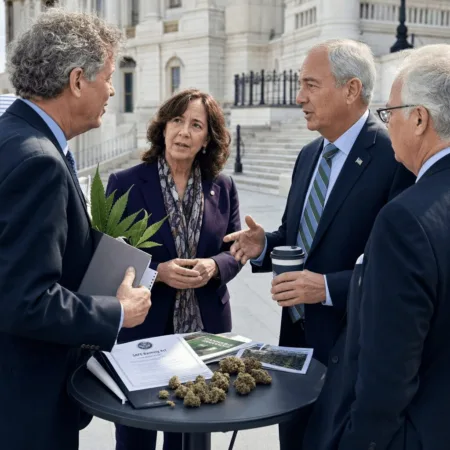
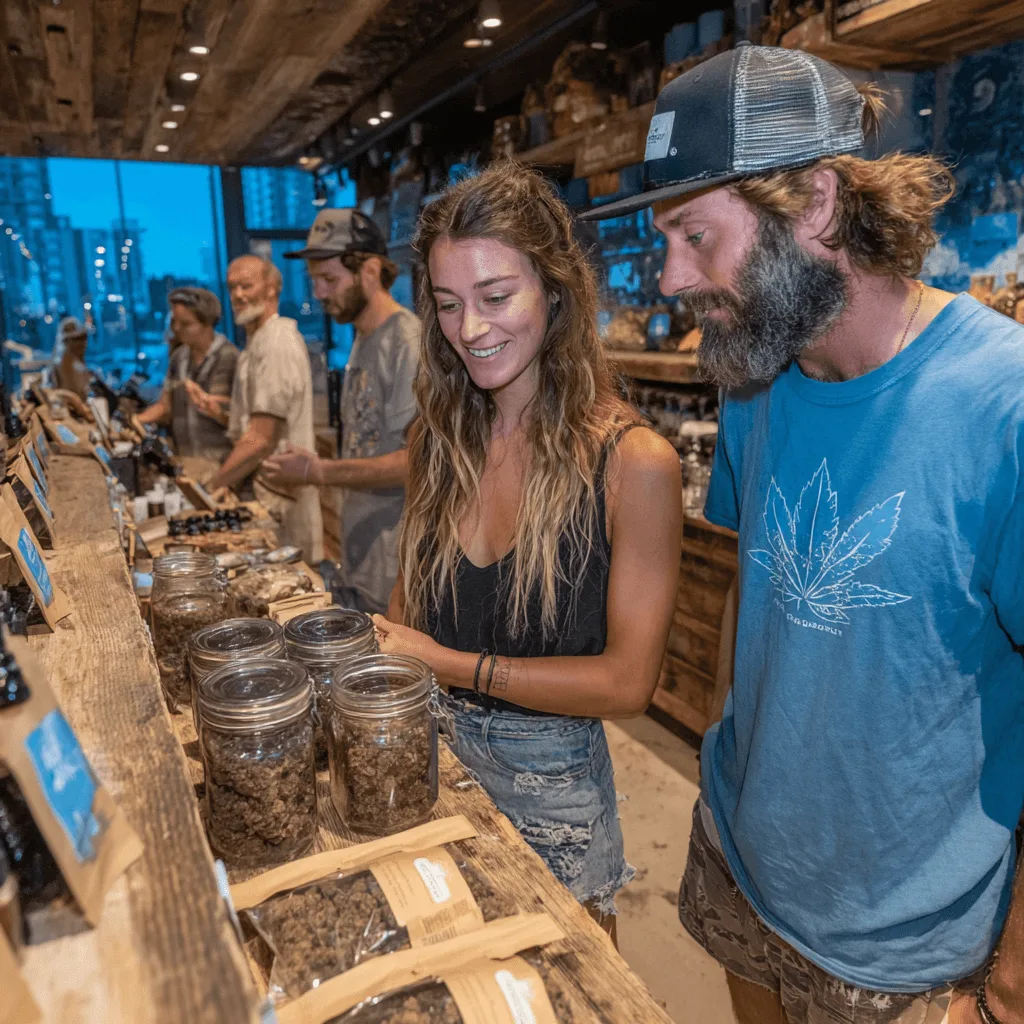
On October 3, 2025, lawmakers in Wisconsin introduced a bill challenging the sale of hemp-derived intoxicating products, including popular items like delta-8 THC gummies and oils, according to the Milwaukee Journal Sentinel. The proposed legislation, championed by Representatives Tony Kurtz and David Steffen, seeks to bring stricter regulation, or even a ban, on products that aren’t ‘naturally’ intoxicating but are created via chemical processes from legal hemp. These rules follow actions in other states and come amid pressure from law enforcement and health officials worried about youth access and unregulated potency. Local businesses, like CannaBloom and Green Prairie Co., voiced concern that potential restrictions could cripple their market, which now supports a growing share of Wisconsin’s retail and processing workforce. In other Midwestern states, legal gray areas around cannabis products have spurred similar debates—much like ongoing confusion highlighted in Minnesota’s evolving cannabis landscape—raising questions about regional consistency and the future of cross-border commerce.
This proposed law aims to refine the definition of legal hemp, drawing a hard line between federally compliant CBD and intoxicating variants. Enforcement efforts would also increase, introducing clear penalties for violators and stricter lab testing protocols. The debate is especially timely, given the national surge in hemp-derived THC, reported by sources like Marijuana Moment, and ongoing confusion over state-federal alignment. Wisconsin’s move is seen by many as an industry-defining moment, setting common-sense standards or potentially shutting out local innovation.
Expert Analysis & Insights: Ripple Effects of Wisconsin Hemp Legislation
While lawmakers argue over the right regulatory path, industry veterans recognize deeper ramifications for farmers, shopkeepers, and everyone invested in plant-based wellness. Tighter rules could provide much-needed clarity and weed out the bad actors who sell untested or mislabeled products, a move welcomed by responsible players. Yet, there’s real risk that overreaching could stunt innovation and drive the hemp trade underground, repeating mistakes of failed prohibition. As reported by Hemp Grower Magazine, “Good science and sensible rules can both protect consumers and keep Wisconsin’s hemp scene thriving.”
National experts agree. “Regulation shouldn’t mean elimination, it should foster safety and innovation,” says Erica Stark, Executive Director at the National Hemp Association (National Hemp Association). As more research explores the health impacts and legal boundaries of hemp-derived products, recent insights from pain management breakthroughs, such as how medical marijuana has changed lives in 2024, continue to inform the conversation on sensible regulation. There’s widespread support for age limits, potency and packaging rules, and tough product testing, but outright bans, critics argue, would cripple a sector that’s finally finding legitimacy. The situation is proof positive that Wisconsin hemp legislation is a litmus test for the cannabis movement at large, influencing markets, communities, and even perceptions of wellness from Main Street to Madison.
Future Outlook & Conclusion: The Road Ahead for Wisconsin Hemp Legislation
Despite current anxieties, there are reasons to stay optimistic about the future of Wisconsin hemp legislation. Industry associations and many policymakers now support a balanced regulatory model that protects consumers while empowering local businesses and agriculture. As social acceptance of hemp products increases, lawmakers are facing stronger community advocacy and demands for evidence-based laws.
Many experts anticipate Wisconsin will move toward rules that prioritize transparency and safety—not prohibition—mirroring successful approaches in states like Minnesota and Kentucky (NORML notes their progressive reforms in recent years). Education, open dialogue, and responsible commerce remain the keys to sustained growth. With proactive leadership and public engagement, Wisconsin’s hemp scene could become a model for others—blazing a trail for sensible, inclusive policy across the Midwest. The conversation around Wisconsin hemp legislation is far from over, and every voice counts as we shape its future. Stay tuned, stay informed, and keep it green.
Originally reported by: jsonline.com