


New York Psilocybin Legislation: Lawmakers Eye Change
For advocates, policy nerds, and everyday New Yorkers, the debate swirling around New York psilocybin legislation is heating up like a summer sidewalk in Brooklyn. With lawmakers taking fresh steps toward legal reform, questions about medicinal use, safe access, and the future of psychedelics and cannabis culture are hot on everyone’s lips. We’re seeing real momentum behind medical psilocybin, and as the movement grows, connections to broader drug policy, stigma, and community health stand front and center. Let’s break down the latest developments, why they matter, and what this could mean for cannabis and psilocybin fans alike.
The Socio-Political Dynamics Behind New York Psilocybin Legislation
In recent years, the policy landscape in New York has been steadily shifting, driven by grassroots activism, changing science, and a mounting body of evidence supporting the medicinal use of psychedelics. The New York Times reports that previous success in adult-use cannabis reform opened doors for broader drug policy discussions, including psychedelic substances. Major cities like Denver and Oakland have already adopted some form of psilocybin decriminalization, prompting advocates in New York to push legislators for similar action. As in other states, local dispensaries have faced closures and operational challenges, which often leads communities to consider how cannabis dispensary location and business activity impact towns, as seen with the recent closure of the dispensary in Potsdam. Social attitudes are evolving, and consumer interest in alternative therapies has never been higher. Meanwhile, lawmakers weigh public health, criminal justice reform, and potential tax revenues, all of which contribute to the state’s complex policy ecosystem. Legal experts from the National Organization for the Reform of Marijuana Laws (NORML) say New York’s progressive track record positions it as a likely candidate to lead on psilocybin, but substantial hurdles remain from regulatory design to reconciling federal law with emerging state-level policies.
Key Developments: What’s Happening Right Now in the Empire State?
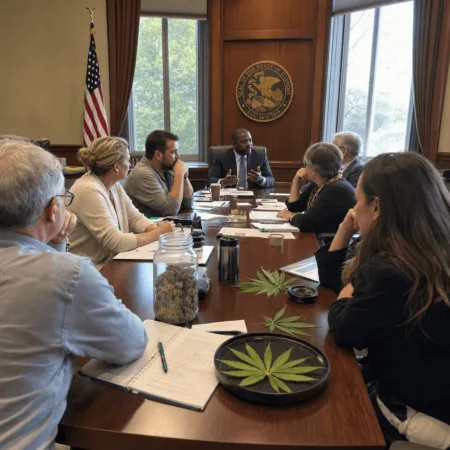
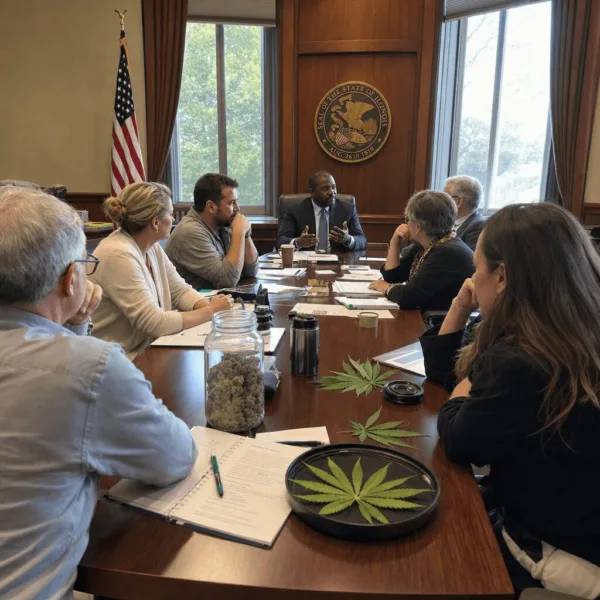
On October 2, 2025, major news broke as state legislators assembled to review a bold new proposal that could revolutionize New York psilocybin legislation. The bill under consideration allows for the supervised medicinal use of psilocybin and requires state-licensed facilitators, mandatory patient screening, and regulatory oversight. Supporters in the State Assembly referenced progressive efforts in Oregon and ongoing studies by the Multidisciplinary Association for Psychedelic Studies (MAPS) highlighting therapy benefits for PTSD and depression. States that advance slow or stall on drug policy—like Pennsylvania, where legalization efforts have been repeatedly delayed—show what communities may lose from legislative stagnation (see how locals are affected during policy delays). Key dates include scheduled public hearings later this fall, with a committee vote likely by early 2026. As the Olean Times Herald noted, advocates and skeptics alike highlighted the potential for public health gains alongside needed conversations about access, equity, and the impact on New York communities. Companies invested in the cannabis sector, including major dispensaries, are already eyeing the psilocybin market as the next move in an evolving legal landscape.
Expert Analysis: Deep Context, Real-World Insight, and Cannabis Connections
It’s not just hype and headline chasing, New York psilocybin legislation marks a potentially seismic shift in state drug policy. As Marijuana Moment highlighted, New York played a pivotal role in normalizing cannabis—similar forces now drive psychedelic reform. To quote Dr. Julie Holland, a renowned psychiatrist and advocate for plant-based medicine (source): “When public policy follows the science and listens to patients, meaningful healing becomes possible. New York has a unique opportunity to get this right and set a national example, just like it did with medical marijuana.” From my vantage as a longtime cannabis advocate, the connections between these movements run deep: shared values around mental health, criminal justice, and bodily autonomy fuel legislative momentum. Investors and entrepreneurs are also tuning in, reflecting a pattern seen in other states where dispensary placement or local sentiment about cannabis businesses has influenced regulation, as noted in small-town debates over dispensary locations. Culturally, this legislation represents a step away from an outdated ‘war on drugs’ mentality, replacing it with smart regulation and harm reduction, offering real hope—and, let’s admit, a little nervous excitement for what’s next.
What’s Next? Looking Ahead for Cannabis, Psilocybin—and New York
New York psilocybin legislation may still be working its way through Albany, but the writing is on the wall: we’re headed for a future where both psychedelics and cannabis enjoy a legitimate place in medicine and society. The cannabis industry’s journey provides the blueprint—public education, patient safety, and grassroots organizing move mountains, as seen in reports by High Times. Layer in the ongoing push for criminal justice reform and expanded healthcare access, and you’ve got a recipe for real, lasting change. Sure, the process has bumps (cue the legislative drama and political grandstanding), but with each hearing and vote, we’re chipping away at old stigmas. Keep an eye on New York; the next big win for cannabis and psychedelics might just be right around the corner. Roll up, stay informed, and don’t forget that every voice—yours included—helps shape what comes next.
Originally reported by: oleantimesherald.com