




Ripley Cannabis Dispensary Concerns: What Locals Fear
The buzz around Ripley cannabis dispensary concerns isn’t just smoke and mirrors—it’s front and center in the West Virginia news cycle right now. With attitudes toward cannabis rapidly evolving and legal dispensaries launching statewide, Ripley finds itself at a crossroads. Local residents worry about the effects a new dispensary may have on their neighborhoods. At the same time, industry experts point to regulated cannabis’ positive impact seen nationwide. Let’s break down what’s really at stake and why these Ripley cannabis dispensary concerns matter more than ever.
Understanding the Roots: Background & Regulatory Context
West Virginia’s medical cannabis program has made slow but meaningful progress since lawmakers approved it in 2017 (West Virginia DHHR). Only recently have dispensaries begun securing licenses and moving toward opening storefronts, under heavy regulation and tight zoning. Ripley cannabis dispensary concerns largely stem from community unfamiliarity. Many towns here haven’t yet experienced retail cannabis, compared to trailblazing states like Colorado or California (Leafly). These developments mirror broader trends across the Midwest, where states such as Kentucky are also experiencing significant changes in cannabis policy and local industry—like when Central Kentucky unveiled a major medical cannabis cultivation facility. There are deep-seated legal and social dynamics at play: many associate dispensaries with fears about youth access, traffic, and changes in small-town culture. Local governments juggle state law, federal prohibition, and a rapidly modernizing cannabis industry, meaning every new store is both a leap and a test case. Ripley cannabis dispensary concerns reflect these intersecting anxieties and a lack of experience for what regulated cannabis looks like in day-to-day life.
Ripley in Focus: Key Developments & Ongoing Issues
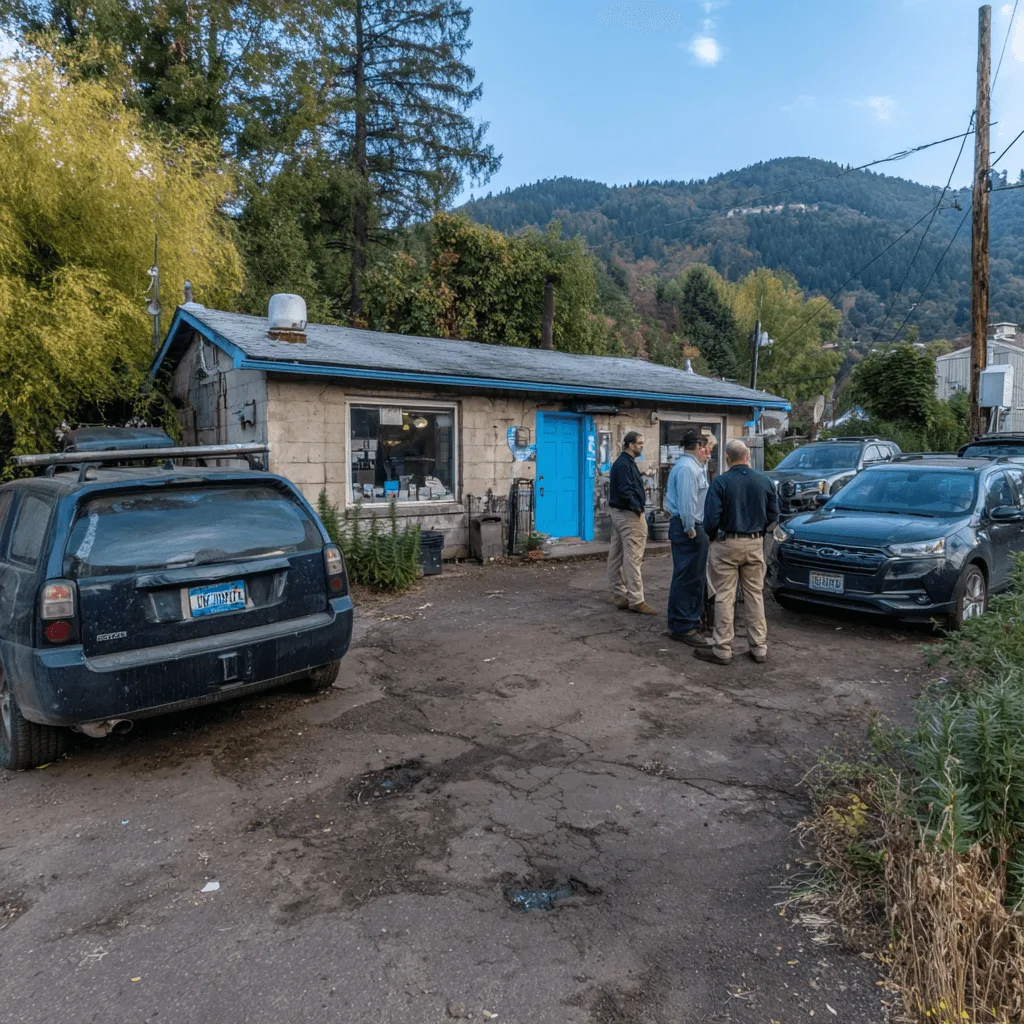
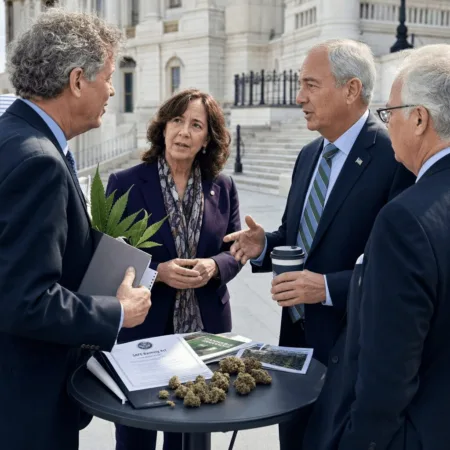
The heart of Ripley cannabis dispensary concerns centers on a specific location in Jackson County. According to reporting by WOWK 13 News, residents gathered outside the proposed site in late May 2024. Their apprehensions ranged from increased traffic to the dispensary’s proximity to schools and family homes. The property in question is being considered by both the owner and a licensed cannabis operator under West Virginia’s medical laws. These kinds of local zoning debates also echo cases seen in other states, such as the recent regulatory changes for dispensaries in Vermont. There’s local debate over zoning, will this storefront fit the guidelines, and can it answer all the community’s safety questions? Authorities indicate that applications for new dispensaries are evaluated case by case, and each must pass strict licensing hurdles. Local newspapers say that community meetings have gotten heartfelt, with neighbors voicing both support and skepticism. These Ripley cannabis dispensary concerns are now prompting regional officials to revisit how sites are selected and to weigh input from both residents and the growing medical cannabis community.
Expert Analysis: Big Picture & Pro-Cannabis Insights
It’s no surprise that Ripley cannabis dispensary concerns evoke big feelings. But as Marijuana Moment and national advocacy organizations point out, the arrival of legal dispensaries rarely matches early fears. Evidence from states like Michigan and Colorado demonstrates that regulated retailers lead to safer access, less black-market activity, and new tax revenue for small towns (NORML). Notably, these kinds of legislative hesitations and learning curves are also visible in areas such as Pennsylvania, where ongoing delays in marijuana legalization highlight unresolved tensions. Cannabis law consultant Becky Pearson summed it up well: “Every time a legal dispensary opens in a small community, people worry. Six months later, it’s just another local business, and most impacts are positive.” Community engagement and transparency are key. Industry best practices suggest that dependable security setups and clear communication with local leaders have been the secret sauce for successful integration elsewhere. Most Ripley cannabis dispensary concerns boil down to uncertainty. Industry experts agree that sharing facts—not just fear—makes all the difference.
Looking Forward: Community, Change & Social Progress
Ripley cannabis dispensary concerns offer a snapshot of a town—and a state—in transition. As more West Virginians qualify for medical cannabis and more dispensaries seek licenses, the learning curve is steep but promising. Local and national regulators continue to put transparency and safety front and center (MJBizDaily). The cannabis industry’s overall trajectory is wildly positive, especially in rural America where new jobs and local revenue are sorely needed. While Ripley’s residents voice legitimate concerns, past experience shows that with communication and effective regulation, dispensaries integrate smoothly. Expect spirited debate, but also new opportunities for education, access, and social acceptance as the scene grows. The story isn’t over—and Ripley cannabis dispensary concerns are definitely an important part of the journey ahead.
Originally reported by: wowktv.com
2 Comments
Pingback: Arizona Cannabis Water Education: Tucson's Dispensary Leads Change
Pingback: Cannabis Dispensary Location Concerns: What Residents Need to Know