



Vehicle Search Marijuana Law: Major Court Ruling Shocks Drivers
With cannabis policies evolving across the nation, the intersection of police authority and personal freedom is front and center. This week, the spotlight is on the vehicle search marijuana law—a decision with the muscle to reshape rights for both cannabis consumers and everyday drivers. Recent headlines confirm it’s not just a stoner’s issue; this ruling may fundamentally change roadside encounters and broader law enforcement standards. Let’s break down what happened, why it’s a game-changer, and what it means for the cannabis community and beyond.
Background: Shifting Landscape of Vehicle Search Marijuana Law
Legal attitudes towards cannabis have transformed rapidly over the past decade. While most states have carved out medical or adult-use cannabis rights, search and seizure laws haven’t always kept pace. Historically, the mere odor of cannabis was enough to justify a full vehicle search under both state and federal guidelines, as outlined by the ACLU. This contributed to disproportionate policing, especially against communities of color, a concern documented by groups like Human Rights Watch. Yet, as the cannabis movement gains popular and legislative traction, stories are emerging that challenge lingering assumptions about impairment or criminality. For instance, communities are increasingly vocal about how outdated profiling unfairly affects drivers, much like the real stories shattering entrenched perceptions in Akron, Ohio. Navigating this new era, the debate surrounding vehicle search marijuana law now reflects mounting societal pressure for criminal justice reform, privacy rights, and cannabinoid normalization. With adult-use legalization passing in places like Florida and Maryland, courts are catching up to the cannabis revolution.
Key Developments: Court Ruling Redefines Vehicle Search Marijuana Law
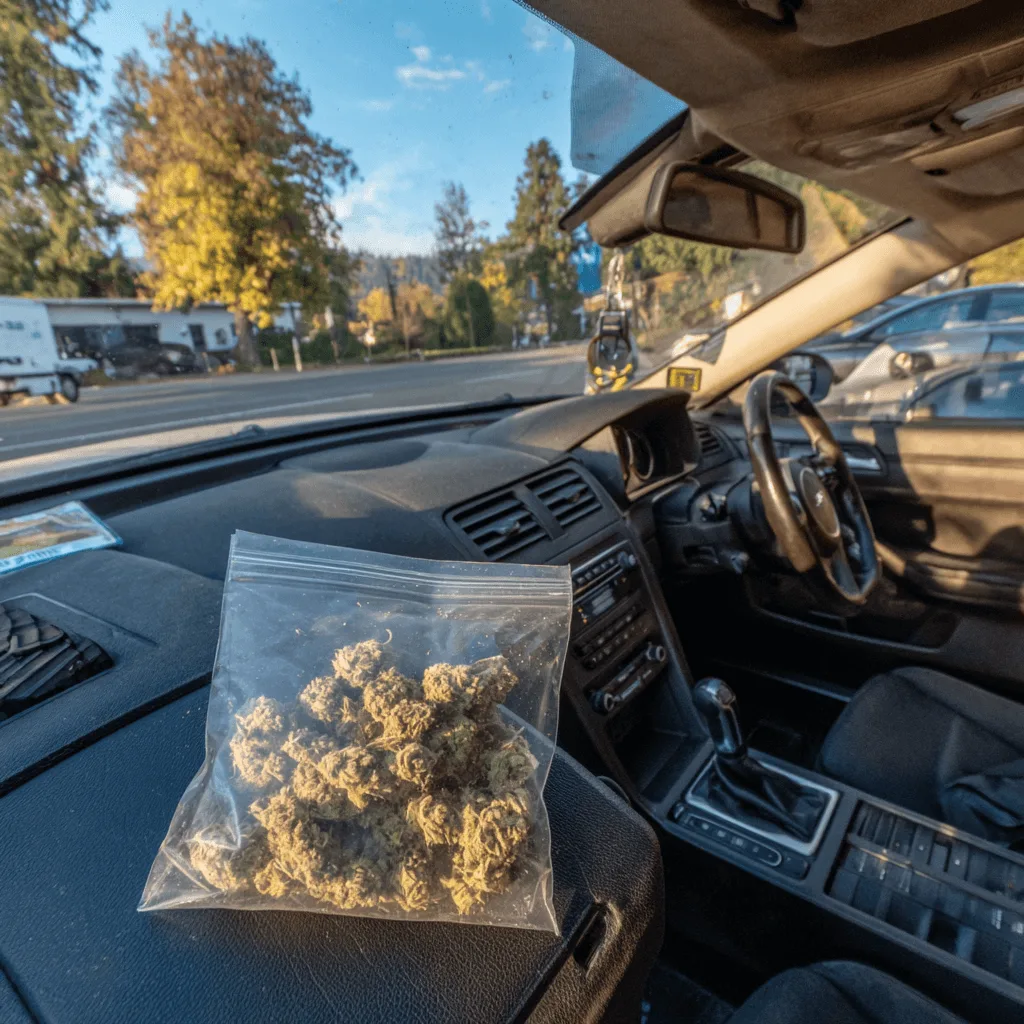
On October 1, 2025, a Florida state appeals court made headline news with a ruling that rewrites the playbook on police searches. In a closely watched decision, the court ruled that officers cannot search a vehicle solely based on the smell of marijuana. This landmark case (cited by WUSF) acknowledged widespread legal access to cannabis products and questioned the cannabis-only odor as probable cause. Previously, law enforcement relied on a nose-first approach, given that cannabis remained illegal under federal law. Now, the standard for vehicle searches has shifted, with the court stating, “the scent alone does not constitute reasonable suspicion for a search.” The ruling takes direct aim at the Florida Highway Patrol’s long-standing policies, possibly prompting review across agencies. This shift aligns with earlier decisions in states like Maryland and Illinois, which have made headlines not only for changing law enforcement protocols but also for how legalization is shaping society and business—reflected in the broader market impacts of cannabis legalization seen across 2024. According to Leafly, similar rulings elsewhere have led to sharp declines in vehicle searches and related arrests. The ripple effect could extend far beyond Florida, signaling a new era for drivers and cannabis advocates nationwide.
Analysis: The Real Impact on Cannabis Culture, Law, and Everyday Americans
So, what does this mean for the people who ride with green, or just enjoy driving around without being profiled? For starters, the vehicle search marijuana law ruling breaks open decades of policy inertia. “This isn’t just a legal shift, it’s a step toward real-world equality and rationality,” notes Erik Altieri, executive director at NORML. The decision rebalances civil liberties with the everyday realities of legal cannabis. No more anxiety over the faintest whiff triggering a full-on search and hours lost to flashing lights on I-95. However, the ruling also places new responsibilities on both drivers and officers. Law enforcement must adapt training protocols and learn that legal marijuana presence is not an automatic criminal flag, while cannabis users should remain familiar with broader state and local laws to avoid misunderstandings. Over time, evolving vehicle search marijuana law standards may also drive nationwide momentum for updating federal transportation and search guidelines, in line with evolving public opinion. As mainstream cannabis media Marijuana Moment points out, these court victories set a new baseline for privacy and dignity in modern America. In communities facing recent high-profile enforcement actions, such as those addressed in the aftermath of Kansas marijuana raids, this broader cultural and legal shift cannot be overlooked.
Looking Ahead: Towards Smarter, Fairer Vehicle Search Marijuana Law
This is more than a courtroom drama; it’s a sign of the times. As states continue to legalize and public attitudes warm toward cannabis, the vehicle search marijuana law ruling signals deeper cultural change. The industry’s rapid growth—now surpassing $33 billion in annual sales, according to New Frontier Data—reflects normalization not only in commerce, but in policy and everyday lives. These legal victories make the road ahead smoother for responsible consumers and reform-minded officials alike. While challenges remain (especially as federal law lags behind), today’s decision gives hope for a smarter, safer, and more equitable cannabis era. The message: legal cannabis, respected rights, and a modern approach to enforcement can all fit in the same car. Buckle up—the future of vehicle search marijuana law is rolling forward, and the best is yet to come.
Originally reported by: wusf.org


1 Comment
Pingback: Florida court cannabis search ruling shakes up police rights