


Kansas Marijuana Enforcement: Latest Crackdown Revealed
If you’ve been watching the headlines, you know that Kansas marijuana enforcement is making waves these days. From farm fields to small-town streets, law enforcement is stepping up its game. Recent plant seizures and increased police visibility are prompting heated debates about policy, personal rights, and the future of cannabis. For everyone on the front lines—from farmers to consumers—this crackdown isn’t just about legal changes; it’s shaping the culture of Kansas itself. Welcome to a deep dive on why Kansas marijuana enforcement is suddenly front and center, what’s really driving the latest moves, and what might come next as the story evolves.
The Legal Landscape: Understanding Kansas Marijuana Enforcement
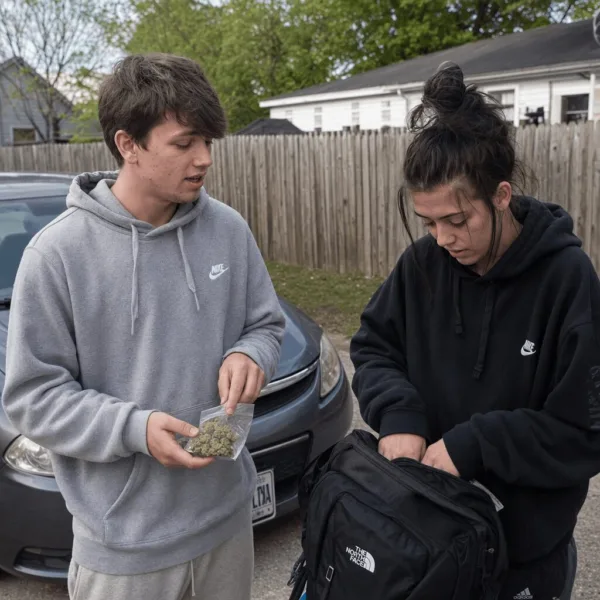
Kansas has built a reputation as one of the nation’s most conservative states when it comes to marijuana laws. Unlike neighboring states like Colorado or Missouri, which have embraced various forms of cannabis legalization and progressive reforms (source: Marijuana Policy Project), Kansas still categorizes both possession and distribution as criminal offenses. Despite waves of change sweeping across the U.S., with nearly half the states legalizing recreational cannabis, Kansas has not budged on even basic medical use. An increased spotlight on hot-button marijuana debates has affected neighboring regions too, such as the controversies around THC product thresholds in Kentucky lawmaking circles sparking drama on Capitol Hill. According to NORML’s state law tracker, simple possession in Kansas can still mean jail time and stiff fines.
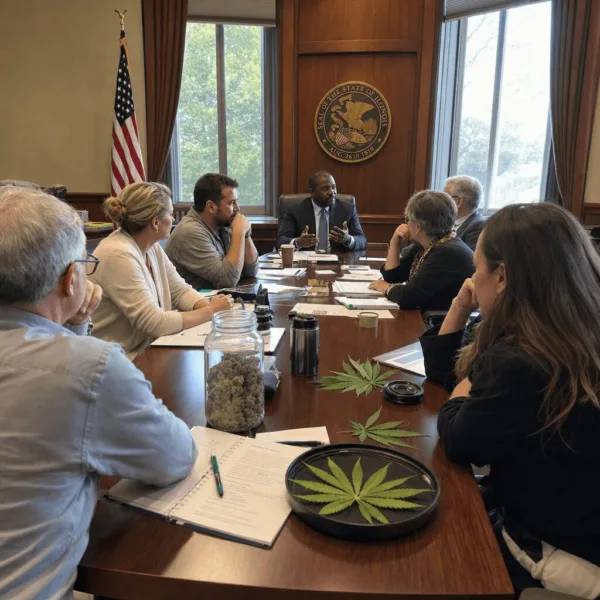
The opposition among lawmakers is fueled by concerns about safety, drug trafficking, and the state’s historical ties to strict legal traditions. Yet, community voices and advocates, referencing studies by organizations like Pew Research, point out that public sentiment is shifting. More Kansans support reform, while a vocal minority continues to resist. This tension now sets the stage for aggressive enforcement, with new operations, bigger headlines, and heightened debate about what Kansas marijuana enforcement should look like in 2024.
The Latest Crackdown: Actions and Issues Driving Kansas Marijuana Enforcement
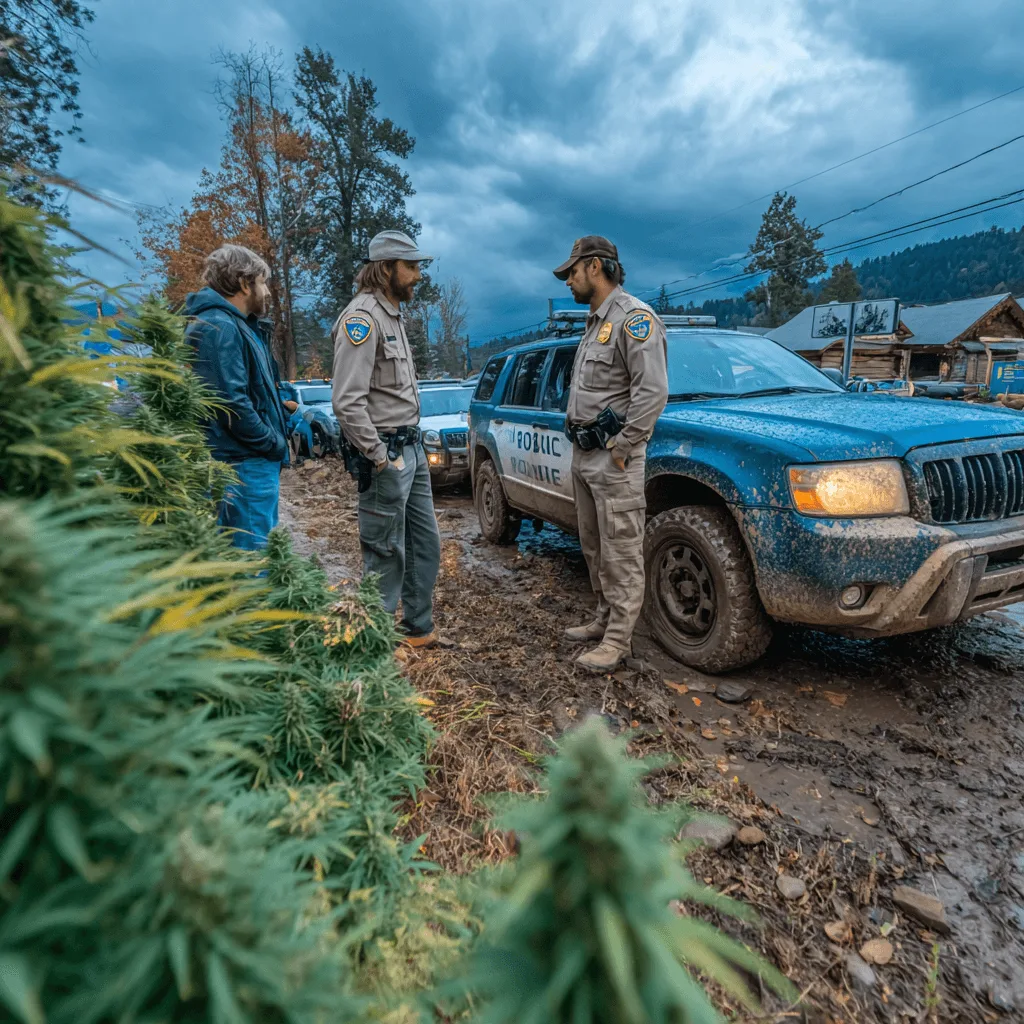
On October 1, 2025, Kansas authorities, including local sheriff’s departments and state highway patrol, initiated a sweeping operation targeting large-scale marijuana grows. According to a recent WIBW report, law enforcement agents converged on rural properties after a months-long investigation spurred by citizen tips and aerial surveillance.
Officers seized hundreds of cannabis plants and processed marijuana from several backcountry farms. Eyewitnesses in Geary and Riley counties observed officers in uniform inspecting crops and loading evidence bags onto police SUVs and pickup trucks. The state’s updated drug enforcement policy, unveiled this past spring, gave authorities broader search powers, allowing them to check suspected grows even when property owners declined access. The legal rationale? Law enforcement cited probable cause based on aerial photos, community complaints, and the smell of burning marijuana.
No major commercial entities were implicated, but several local cultivators—ranging from backyard gardeners to hobby farmers—were detained or questioned. The operation is part of the Kansas Bureau of Investigation’s intensified push against what they call ‘grey market’ grows, a reaction to increased cannabis crossing the border from legal states. Legal developments like the introduction of innovative financing within the cannabis sector, such as Verano’s $75 million credit line, suggest changing tides for operators nationwide. Relevant legal guidance and statistics were released by the Kansas Bureau of Investigation and summarized in an October 2025 update (source: KBI), stating that over 15% more plants were seized statewide compared to the previous year.
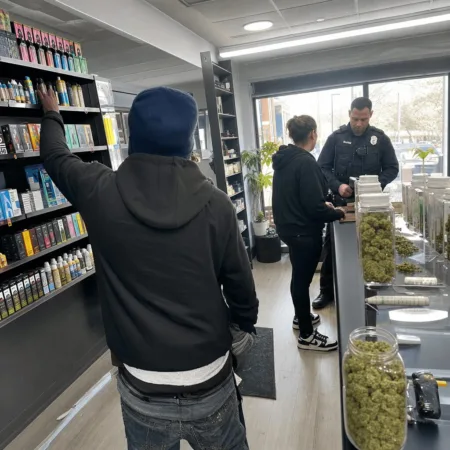
The story has lit up social media and regional news sites, symbolizing the rising stakes in Kansas marijuana enforcement. Questions are now swirling about civil liberties, property rights, and just how far the crackdown could go.
Expert Analysis: Industry Takeaways and Nuanced Views on Cannabis Enforcement
So, what does this all mean for Kansas and for anyone who cares about cannabis freedom or fair regulation? First, this enforcement surge highlights the uniquely stubborn position Kansas holds in the national conversation. According to Leafly’s 2024 legal guide, the state now stands nearly alone among its neighbors, clinging to punitive approaches just as the borderlands grow foggier with cross-state transport and consumer interest.
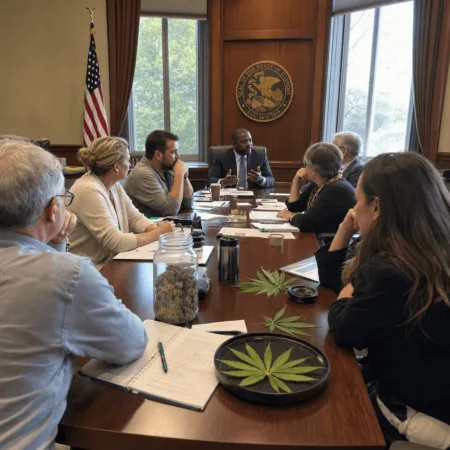
Experts warn that heavy-handed Kansas marijuana enforcement can sometimes backfire. When police direct significant resources to prosecuting small growers rather than focusing on major criminal enterprises, communities may lose trust and feel targeted. “Targeting non-violent cannabis cultivation at a time when nearly all surrounding states have legalized strains relationships with voters and undermines public safety priorities,” explains Morgan Fox, Policy Director at the National Cannabis Industry Association.
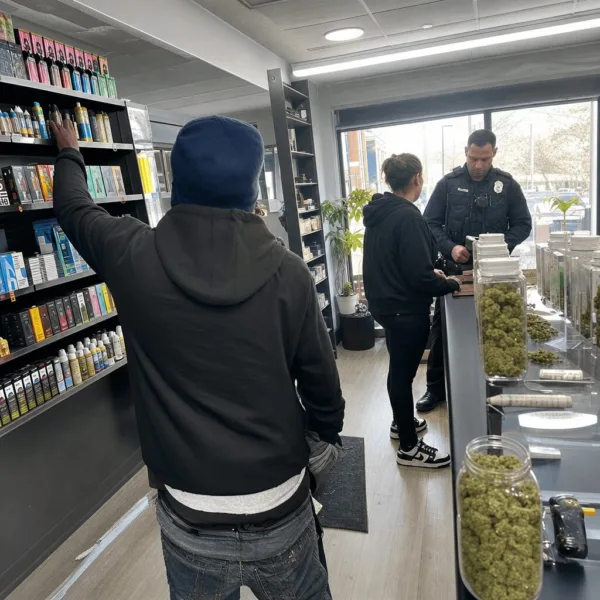
In Oak Grove, efforts to educate the public show how localized approaches to access, including medical marijuana card events that empower communities, can contrast sharply with strict law enforcement. On the ground, everyday Kansans—even those not involved—feel the impact. Families see generational growers prosecuted, while local businesses worry about the image hit to rural agriculture. Many argue that wisely crafted regulation, not criminal enforcement, would make Kansas safer and more prosperous. That’s an opinion echoed by legal scholars in the University of Kansas Law Review and by industry insiders who point to plummeting crime rates in states where cannabis is legal and taxed.
Looking Ahead: The Future of Kansas Marijuana Enforcement
Despite the current drama, there’s real hope that Kansas marijuana enforcement might eventually give way to smarter, fairer laws. Public support for medical and recreational reform continues to rise—often much faster than lawmakers are willing to admit. As noted by a recent Gallup poll, over two-thirds of Kansans now favor some form of legalization.
This isn’t just about the right to grow or consume. It’s about modernizing state policy, increasing tax revenues, and redirecting police resources toward serious crime. With every news cycle and community forum, more Kansans are asking why their state should remain such an isolated holdout in the national shift toward common sense cannabis laws.
Sure, the headlines are dramatic. But beneath the surface, Kansas marijuana enforcement may actually be propelling the movement forward. Those who keep pushing for compassionate, evidence-based reform have reason to stay optimistic. As history shows, every crackdown is eventually followed by progress. The future of cannabis in Kansas is unwritten—and it’s looking greener with every passing year.
Originally reported by: wibw.com
1 Comment
Pingback: CBD Benefits for Pets: What Every Owner Should Know