




Why Child Hospitalized THC Gummy Cases Matter: Regulatory Gaps and Social Perceptions
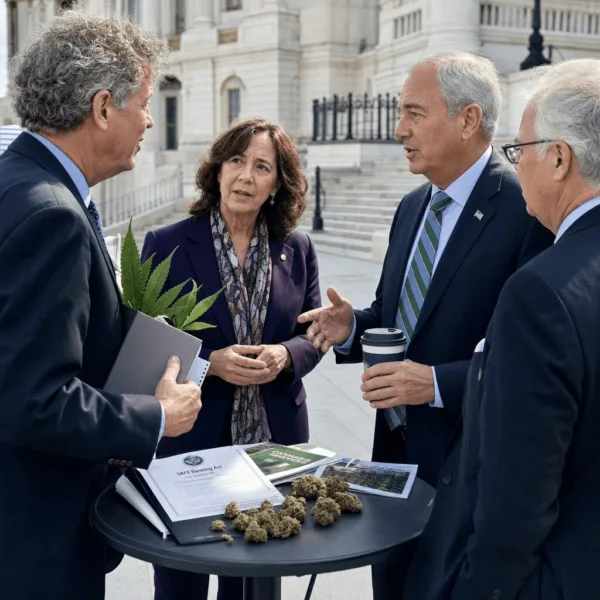
Cannabis edibles, such as gummies, chocolates, and cookies, have become mainstream in states where adult-use or medical marijuana is permitted. According to NORML, nearly half of US adults now have access to legal cannabis products, which has led to an explosion in edible sales. However, in Texas, cannabis remains tightly regulated. CBD and low-THC hemp products are technically legal, but delta-9 THC—the psychoactive component—remains prohibited in most cases, per The Texas Tribune. Unfortunately, the colorful packaging of edibles like THC gummies often resembles regular candy, making accidental ingestion dangerously easy for kids. The child hospitalized THC gummy incident highlights these dangers and gives new urgency to discussions about whether regulations, public safety campaigns, and more transparent labeling could have made a difference. In areas where adult-use cannabis markets are developing rapidly, including major states like New York, Illinois, and California, policy makers are similarly facing pressure to act. Notably, recent recalls such as the CBD gummies recalled due to consumer safety concerns illustrate the industry-wide tension between rapid product innovation and consumer protection, as referenced in Leafly‘s 2023 State of the Cannabis Report.
Breaking Down the Child Hospitalized THC Gummy Incident in Tyler, Texas
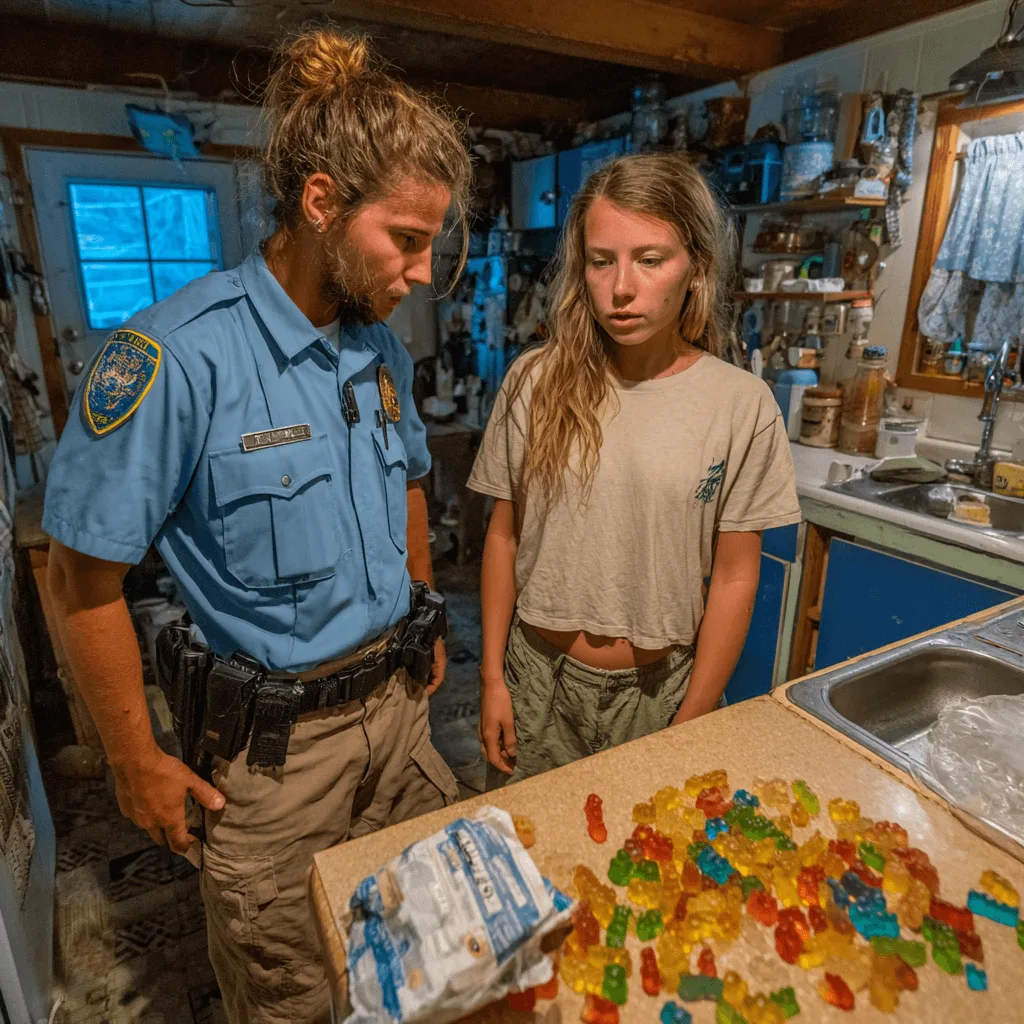
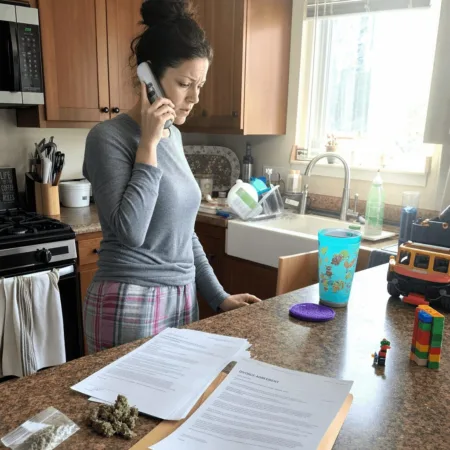
On September 25, according to KLTV, a Tyler mother was arrested after her young child was hospitalized following the accidental consumption of THC gummies. The packaging, found in the family’s kitchen, featured playful, candy-like graphics that authorities say contributed to the incident. Local police report the child ate multiple gummies before showing clear signs of THC intoxication, leading to an emergency hospital visit. Medical professionals quickly recognized cannabis as the probable cause and alerted authorities. The mother now faces legal charges, including child endangerment and possession of a controlled substance, under Texas Health and Safety Code §481. Officials seized all cannabis-infused products from the home. The incident has increased scrutiny of both online and local smoke shop THC products and the inconsistent regulation found across Texas. For context, questions about the minimum age for cannabis product purchases in Texas have grown alongside these safety concerns—see this guidance on what every young consumer should know about THC purchasing regulations. As KLTV notes, hospitalized child THC gummy cases are rare but highly publicized, prompting urgent calls for reform from many angles.
Expert Insights: Balancing Industry Growth and Public Safety After Child Hospitalized THC Gummy News
This incident is a wake-up call not just for Texas families, but for the national cannabis industry. As educator and safety advocate Emma Chasen shared with Leafly, “The problem isn’t cannabis itself, but lack of education and clear labeling stops. We must help parents, regulators, and brands bridge the gap.” Better child-proof packaging, bold THC warnings, and careful controls over how and where gummies are sold are all increasingly supported measures. According to Marijuana Moment, most accidental pediatric exposures resolve without long-term harm, especially in states with robust regulation. The child hospitalized THC gummy scare shouldn’t halt progress on practical, regulatory reforms. Companies have taken strong steps by introducing tamper-resistant packaging and consumer education, and there’s widespread agreement that prohibition only drives markets underground rather than protecting children. Meanwhile, campaigns focused on improving THC awareness and education at a national level are helping to change conversations and prevent future accidents.


1 Comment
Pingback: Texas THC Regulations: Emergency Rules Hit Sellers & Buyers