


How Did We Get Here? Background, Context & Cannabis Regulation in Rochester
The arrival of the Rochester recreational cannabis dispensary didn’t happen overnight. Minnesota’s legal cannabis journey has been a marathon, not a sprint. For years, medical cannabis was the norm, with strict eligibility and limited dispensaries, according to MPR News. Only more recently did state lawmakers answer growing calls for reform, driven by overwhelming public support, new federal perspectives, and evolving social justice priorities. The 2023 Minnesota Cannabis Act, signed by Governor Tim Walz, legalized recreational cannabis for adults 21 and over and set out to create an equitable, regulated market. As this regulatory landscape changed, lessons learned from how states like Colorado implemented rigorous marijuana contamination testing for consumer safety have played a role in shaping Minnesota’s approach (see how Colorado’s contamination testing standards set an example for other states). Local municipalities like Rochester prepared their own guidelines to ensure safe, legal, and responsible sales. Regulatory bodies established licensing rules, training requirements, and quality control processes, as outlined by the Minnesota Office of Cannabis Management. All of these measures set the stage for a new era, culminating in the debut of the Rochester recreational cannabis dispensary, a true milestone in the state’s ongoing push toward normalization and economic inclusion.
Key Developments: Rochester’s First Recreational Cannabis Dispensary Opens
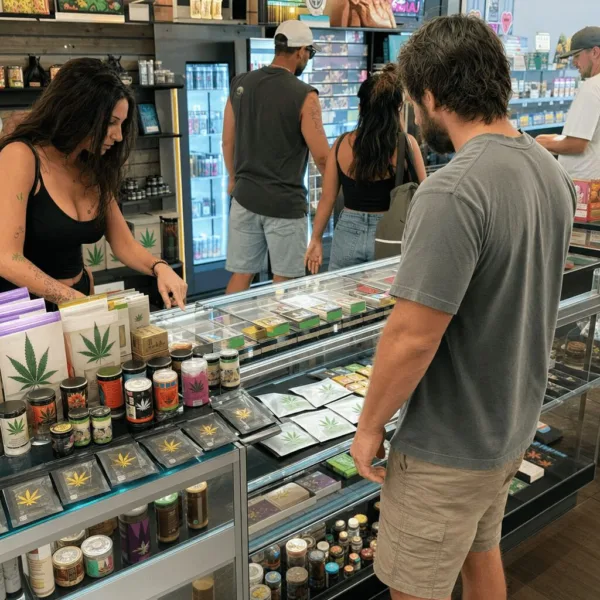
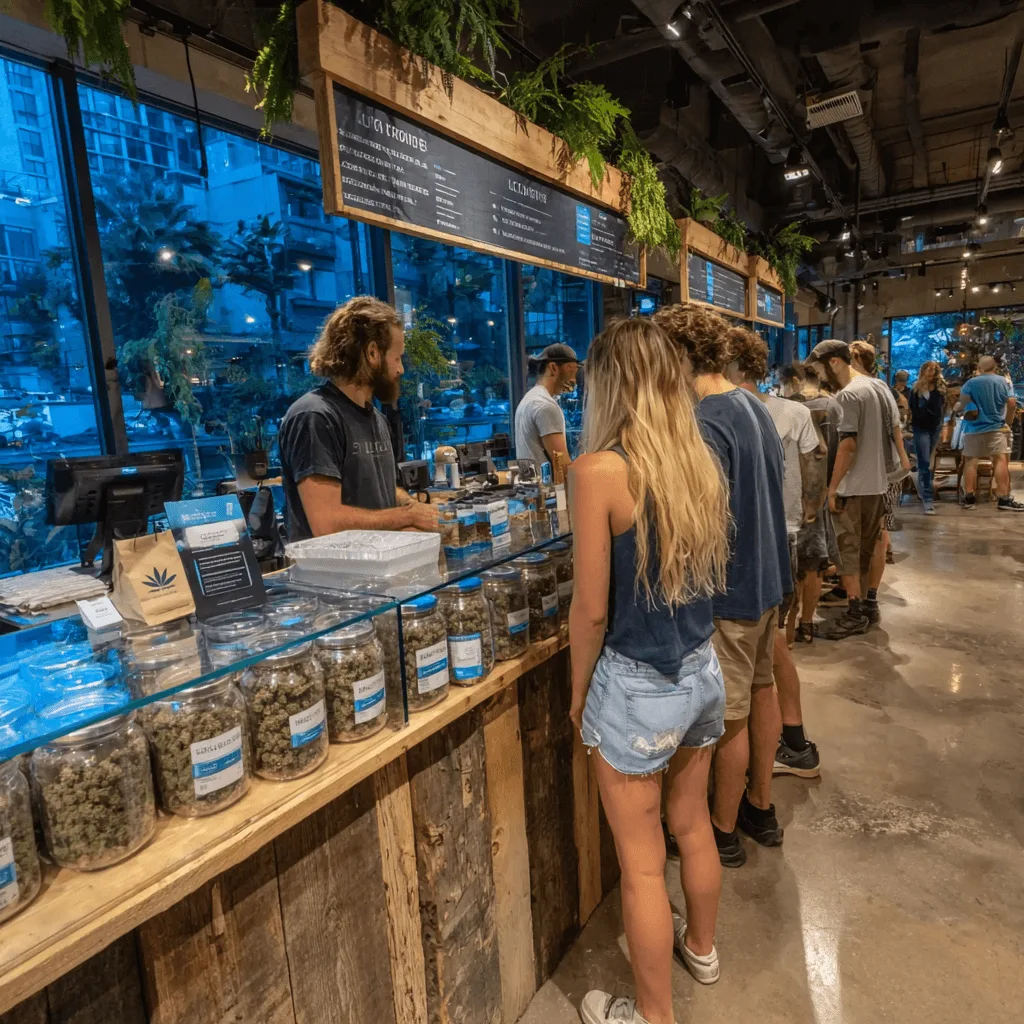
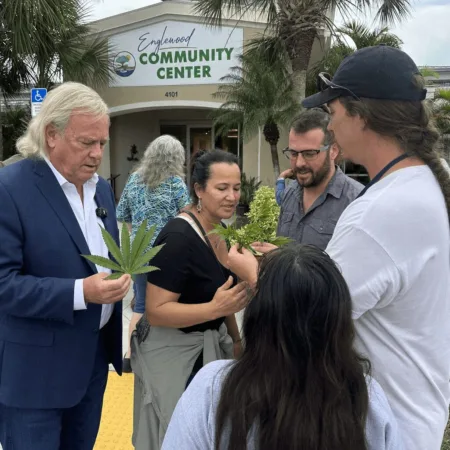
The big news: Rochester has officially welcomed its first recreational cannabis dispensary into the fold. According to KTTC News, the transition from a medical-only facility to a dual medical-recreational operation was finalized on September 24, 2025. Local favorite “GreenLeaf Dispensary,” previously known for serving registered medical patients, now opens its doors to all adults over 21, in accordance with state statutes. Under the new law, customers must present state-issued photo ID and are subject to possession and purchase limits set by the Minnesota Office of Cannabis Management. The dispensary underwent extensive staff training, rigorous product testing, and updated security protocols in preparation. Many of these improvements mirror the latest trends and surprises revealed in the industry’s recent business update, where surges in traffic and evolving regulations had a notable impact (industry surges and setbacks have directly influenced operational standards this quarter). The store layout now accommodates both medical and recreational shoppers, ensuring privacy and flow. Rochester recreational cannabis dispensary staff report a ‘steady stream’ of customers on opening day, with green buds, infused edibles, and tinctures flying off shelves. Police and city officials, present for the ribbon-cutting, emphasized responsible sales and continued community education. Local leaders see this event as a model for future dispensaries across southeastern Minnesota. These developments reflect the state’s careful, deliberate approach to cannabis normalization, now brought to life by the Rochester recreational cannabis dispensary.
Expert Analysis: What Rochester’s Launch Means for Minnesota’s Cannabis Industry
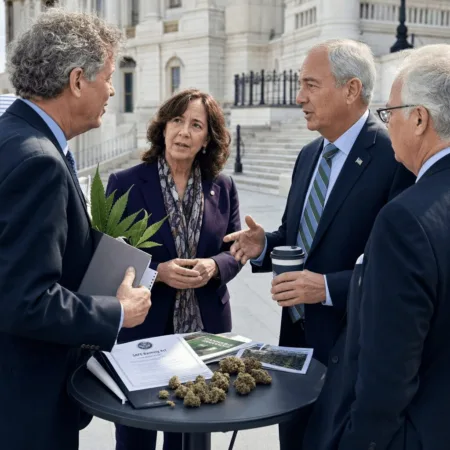
The opening of the Rochester recreational cannabis dispensary represents far more than a new store on the block. Industry experts highlight its ripple effects for regional jobs, public health, and the broader Midwest market. By blending medical-grade standards with adult-use accessibility, Rochester sets itself up as a leader in safe, informed purchasing experiences. As Leafly senior editor David Downs notes, “Minnesota’s approach is built on lessons from other states: robust regulation, consumer education, and a focus on social equity, it’s a gold standard rollout.” Early reports point to increased foot traffic, new employment opportunities, and already improved tax revenues. The positive economic and community transformation reflected here mirrors how tax revenue assistance from cannabis is reshaping lives on a local scale, as seen in places like Moline (cannabis tax revenue has supported rent and utility relief for families in need). Local advocacy groups, like Sensible Change Minnesota, emphasize the importance of education and destigmatization as Rochester introduces recreational sales to more conservative corners of the state. While supply chain adjustments and ongoing community dialogue remain, the overall mood is one of optimism. For cannabis entrepreneurs, ancillary service providers, and educators, the Rochester recreational cannabis dispensary is as much a case study as a retail success story. It demonstrates harmonious coexistence between regulation, business, and public good, precisely the kind of outcome that industry watchers recommend, as discussed in Marijuana Moment.
1 Comment
Pingback: Albert Lea Cannabis Registration: City Faces Court Deadline