






Chronic Pain Medical Marijuana Kentucky: The Real Story Revealed
Right now, chronic pain medical marijuana Kentucky is more than just trending—it’s reshaping lives. As new laws take hold and public interest explodes, Kentuckians are leaning into cannabis for pain relief. This story unpacks why medical marijuana is Kentucky’s top choice for chronic pain, diving deep into regulations, social shifts, and what it truly means for everyday folks managing long-term discomfort. Expect an insider’s look at challenges, big wins, and what’s next for local patients crossing barriers for real relief.
Kentucky’s Changing Medical Marijuana Landscape: From Ban to Breakthrough
Understanding chronic pain medical marijuana Kentucky means tracing a wild ride through evolving rules, politics, and culture. For decades, cannabis use, whether for medical or recreational use, sat squarely in the red zone, tangled up in both state and federal restrictions. But demand changed that, and Kentucky turned a corner with its legislative approval of medical marijuana in 2023. This shift echoes a wave of similar debates across the U.S., underscored by ongoing calls for broader legalization, as highlighted by recent movements toward recreational marijuana law reform in other states. This regulatory switch was years in the making, driven by patient advocacy, swelling support among residents, and mounting scientific evidence. According to Pew Research, two-thirds of Americans now favor legalization, a major shift shaping state policy. Social stigma remains, especially in small towns, but chronic pain sufferers are now at the center of Kentucky’s medical marijuana movement, making the topic urgent and relatable across every county.
Chronic Pain Drives Kentucky’s Medical Marijuana Revolution
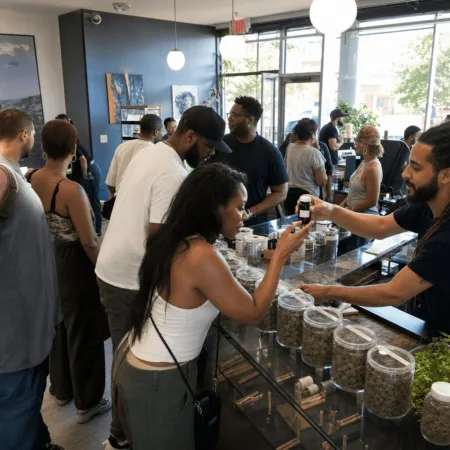
The biggest headline is that chronic pain is Kentucky’s top reason for seeking a medical marijuana card. According to Lexington KY News, most new applicants cite pain that lingers long after injuries heal—think back, joints, migraines, and neuropathy. The 2023 legalization law allowed certified doctors to recommend cannabis, launching the state’s card program in early 2024. Within months, applications poured in from all corners, with more than 60% directly linked to chronic pain complaints, and with applicants ranging from retired miners to soccer moms and army vets. Licensed dispensaries like Appalachian Relief and Bluegrass Medical opened their doors, serving a diverse, often older clientele. The Kentucky Office of Medical Cannabis now tracks thousands of active patients, responding to a tidal wave of public interest and medical need. Legal caveats include dosage caps, form restrictions (think tinctures, edibles, and vapes, but no flower yet), and required follow-ups. As medical programs adapt, stories emerge not just from Kentucky but also related news, like community concerns around major drug busts disrupting local areas. The bottom line is that the data and patient stories tell the same tale: chronic pain medical marijuana Kentucky is more than hype, it’s real relief, demanded by real citizens.
Expert Perspectives: The Human Face of Cannabis Reform
So what’s really at stake? Folks living with daily pain finally have new choices, but barriers remain. Chronic pain medical marijuana Kentucky patients often face skeptical physicians, slow-facing licenses, and spotty access in rural spots. Still, the medical community is catching up. According to Dr. Amanda Holt, a board-certified pain specialist, in her interview with Leafly News: “For many Kentuckians, cannabis isn’t a last resort. It’s the most effective, least toxic option they’ve found. We’re finally listening.” This shift is echoed by regulatory updates and the growth of patient support groups like Kentuckians for Medical Cannabis, who tackle education and stigma head-on.
Industry analysts note ripple effects beyond health, including fresh tax revenue, job creation, and neighborhood renewal. The deep scars left by Kentucky’s opioid crisis amplify calls for safer alternatives—cannabis’s lower risk profile earns cautious praise from addiction experts and policymakers alike. As the state strives to implement best practices, consumer safety also gains the spotlight, mirroring broad public health debates such as the potential connections between cannabis use and wider health risks, like diabetes. Most importantly, chronic pain medical marijuana Kentucky has moved from whisper networks to mainstream care. Patients now publicly share their path to relief, while advocates press lawmakers to remove remaining barriers, such as the ban on dried flower. Challenges persist, but experts agree, compared to pain pills and isolation, medical cannabis is a step into the light.
Looking Forward: What’s Ahead for Chronic Pain Medical Marijuana Kentucky?
The story doesn’t end here. Kentucky’s commitment to reform is stronger than ever, reflecting national and global trends. As the patient roll grows, lawmakers eye further legislative updates, including expanded qualifying conditions and—rumor has it—a possible pilot for full flower access. Social attitudes are mellowing too, with increased education and more doctors on board. According to ongoing analysis by NORML, Kentucky’s path mirrors that of progressive states, hinting at a bright, inclusive future for all who depend on cannabis for daily function. Bottom line? Chronic pain medical marijuana Kentucky is here to stay—sparking real hope, connection, and healing. With stigma fading and access improving, Kentucky’s cannabis community can finally say: pain relief is for everyone, and compassion is now law.
Originally reported by: lexingtonky.news

1 Comment
Pingback: Exotic Weed Elmont: Discover Silly Nice Diamond Powder & Vapes