


Ohio Marijuana Laundering Case: Full Story on Shocking Sentence
The cannabis industry never sleeps, and today the focus is on the Ohio marijuana laundering case—a legal development that’s turning heads across the US. As the market expands and legalization trends spread, enforcement stories like this shape conversations for everyone from medical users to legacy growers. In this breakdown, we’ll catch you up on the latest high-profile laundering conviction, why it matters for the future of regulated cannabis, and what industry watchers are buzzing about right now.
Legal Backdrop: The Changing Cannabis Terrain
The Ohio marijuana laundering case comes at a time when the U.S. is in the thick of cannabis policy overhauls. Federal law still classifies cannabis as a Schedule I substance, causing legal friction even as dozens of states, including Ohio and West Virginia, roll out medical and adult-use programs. NORML and Marijuana Policy Project report an ongoing patchwork, where state legalization clashes with federal banking laws and anti-money laundering rules. According to the Cannabis Business Times, unregulated cash flows remain a serious issue as legitimate business channels work to comply with complex reporting standards. In this environment, cases like this expose the stress cracks between the legacy market, new regulations, and old-school enforcement priorities, which can also be seen in stories such as the recent marijuana arrest at a Prairieville smoke shop shaking up the local cannabis scene.
The Case Details: How the Ohio Marijuana Laundering Case Unfolded
According to WV News, this year’s Ohio marijuana laundering case centered around a middle-aged Ohio man involved in laundering proceeds generated from a West Virginia cannabis operation. Authorities state that the man funneled illicitly acquired funds through personal and third-party accounts, allegedly masking the origins of the proceeds from multi-pound illegal marijuana sales. The court records, per recent legal filings, show transactions stretching back to early 2022. On sentencing day, prosecutors argued the accused played a pivotal role in obscuring the paper trail, essential for detecting large-scale illegal grows. The defendant received a substantial prison sentence, court supervision, and asset forfeiture penalties. This move marks an aggressive, high-profile stance by federal prosecutors targeting financial crimes in the cannabis sector, a development that comes on the heels of high-profile seizures such as the Uvalde THC cartridge bust that underscored shifting enforcement priorities well after many states began softening their punitive approach to marijuana possession and trade.
Expert Analysis: What the Ohio Marijuana Laundering Case Signals
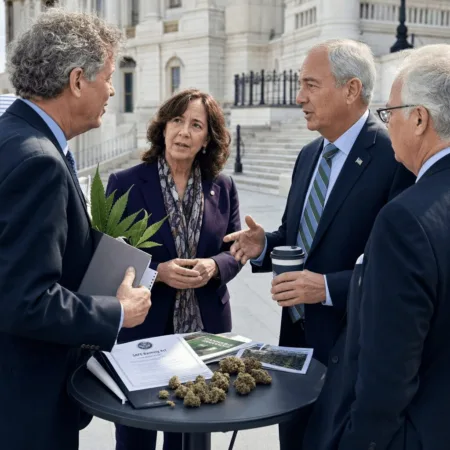
Industry veterans recognize that the Ohio marijuana laundering case isn’t just about one bad actor, but it also showcases broader friction between old-school prohibition and emerging regulation. Kelly Perez, CEO of KindColorado, recently stated in an interview with Forbes, “Anytime there’s a high-profile bust, it highlights the urgent need for sensible banking laws and regulatory clarity. Otherwise, the legal market and illicit market will keep clashing.” Banking headaches force even legit players to work mostly in cash, raising risks and blurring lines between compliance and crime. Regulatory uncertainty creates a breeding ground for cases like this, as businesses try to navigate inconsistent and sometimes contradictory laws. Industry analysts at Marijuana Moment have reported that continued federal inaction may directly increase the number of cash-based laundering incidents, harming legitimate operators and emboldening underground networks further. Similar tensions were evident when a recent marijuana seizure in New Jersey revealed how regulatory gaps are still fueling industry uncertainty and risk nationwide.
Looking Forward: Lessons and Opportunities
While the Ohio marijuana laundering case highlights ongoing risks in cannabis finance, it also underscores an industry at a crossroads. With more states pursuing full legalization and the Biden administration considering rescheduling cannabis, the push for federal banking reform has never felt more urgent. Many advocates, operators, and analysts remain optimistic that headline-grabbing laundering crackdowns will ultimately fuel overdue policy shifts—helping push cannabis commerce into the sunlight, where it belongs. As stigmas fade and best practices spread, industry experts remain confident that the future will bring better regulation, safer transactions, and a vibrant, inclusive marketplace. For now, every story like the Ohio marijuana laundering case reminds us how far we’ve come—and how much higher we can still go.
Originally reported by: wvnews.com