


Shocking Marijuana Seizure I-20: Over 1,000 Pounds Confiscated!
Whoa—big news just dropped about a massive marijuana seizure I-20 event that’s caught the attention of the cannabis world. As the industry grows, we’re seeing a mix of new opportunity and old-school law enforcement, and this recent bust puts the spotlight right back on the debate over regulation, safety, and evolving attitudes. This article unpacks the what, why, and how, using the latest details to give both pros and critics something to think about.
Regulatory and Social Context Behind the Marijuana Seizure I-20
The cannabis world is changing fast, but the patchwork of state and federal laws is a real trip. While over 20 states have moved toward legalization for recreational or medical use, the federal government still lists marijuana as a Schedule I controlled substance, according to the Drug Enforcement Administration. This contradiction means that even as dispensaries pop up everywhere, interstate transport remains a legal minefield. Highways like I-20 cross multiple jurisdictions, making them hotspots for law enforcement agencies looking to clamp down on cannabis movement, a phenomenon that resembles local crackdowns such as the Brenham marijuana possession arrests.
Socially, attitudes have mellowed, a majority of Americans now support legalization, as confirmed by a 2023 Pew Research study. But the stigma hasn’t totally vanished, especially in states where the plant remains prohibited. With this tension, a marijuana seizure I-20 isn’t just about the plant, it’s about conflicting values, clashing laws, and a society caught between legacy prohibition and modern normalization. Recent local changes, like those observed with the Iron County Cannabis Dispensary in Michigan supporting nonprofits, exemplify shifting perspectives.
Details of the Recent Marijuana Seizure I-20: The Big Bust
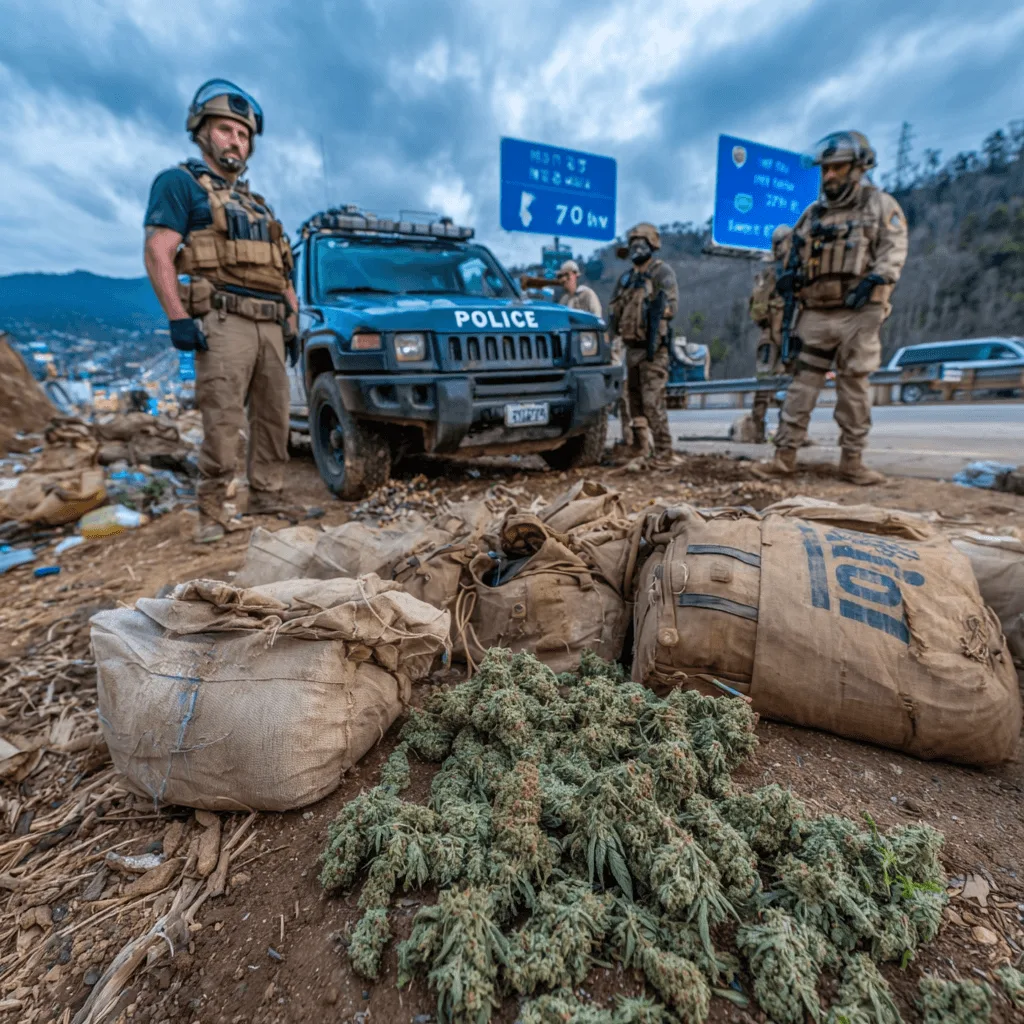
Talk about a heavyweight bust, on September 16, 2025, law enforcement along the I-20 corridor, specifically near Meridian, Mississippi, intercepted a vehicle carrying over 1,000 pounds of marijuana. The operation was the result of a coordinated effort between county sheriff officers and state highway patrol. According to reporting from The Meridian Star (source), several duffel bags loaded with cannabis were discovered during a routine traffic stop, with suspects apprehended on-site. Law enforcement officials said the contraband was destined for distribution across multiple states, a common narrative in large-scale transport busts on highways.
No licensed or legal cannabis company was named in connection to the shipment. Authorities are treating the seizure as trafficking, and local district attorneys are expected to pursue felony charges. These types of busts, while less frequent in states with robust legalization and compliance frameworks, still happen on major interstates like I-20. The large volume, 1,000 pounds, makes this one of the biggest marijuana seizures in the region in recent years. This underscores how the interstate pipeline continues to play a role in the gray market that persists where full legalization lags. For entrepreneurs wondering about compliant market entry, programs such as the New Jersey Cannabis Loan Program are empowering local businesses with new pathways.
Expert Analysis, Aftermath, and Cannabis Community Response
Let’s be blunt, the marijuana seizure I-20 story is nothing new to longtime industry players. As cannabis legalization spreads, illicit traffic persists in states with slow reform. According to Leafly industry analysts, much of the activity crossing borders is directly tied to inconsistent state-by-state rules. These regulatory inconsistencies, which also fuel concerns around permitted versus illicit production, have made headlines during incidents like the police marijuana grow lab busts seen in other regions. Licensed operators argue that federal reform and robust regulation actually shrink the illegal market, not expand it.
“Seizing contraband is only a bandage over a systemic wound caused by outdated laws,” notes Dr. Amanda Reiman, cannabis policy scholar and director of research at the Drug Policy Alliance. “When states and federal governments aren’t in alignment, markets find a way, and prohibition-driven enforcement just boosts risk for everyone involved.”
For legal businesses, these high-profile seizures carry real consequences, fueling stigma and misperceptions. Yet, the underlying issues highlighted by every marijuana seizure I-20 echo a larger need for standardized, science-based regulatory changes across all states. Analysts from Benzinga Cannabis regularly report that until federal scheduling changes, “gray market dynamics will persist, with enforcement actions playing whack-a-mole rather than providing long-term stability.” Regulatory conversations in cities also remain dynamic, with city-level cannabis dispensary regulations continually shaping local access to the market.
Future Outlook: Towards Smarter Policy and Industry Growth
Ultimately, the marijuana seizure I-20 bust underscores just how much work remains for regulators, advocates, and business leaders. With cannabis now a multibillion-dollar industry—expected to top $40 billion nationally by 2025 according to New Frontier Data—high-profile seizures are a symptom of growing pains, not a death knell. Public opinion is on the side of reform, and even law enforcement agencies in some jurisdictions are shifting focus toward safety, compliance, and real harm reduction.
For advocates, every headline is a call for smarter, unified regulation. For critics, these busts are reminders of the old guard. The future of the marijuana industry is moving inexorably toward mainstream acceptance, balanced accountability, and full legal clarity. As states harmonize laws and the feds eventually catch up, the days of headline-making marijuana seizure I-20 events are numbered. This evolution brings hope for fairness, safety, and legitimate opportunity—delivering positive impact for communities, consumers, and responsible businesses alike.
Originally reported by: meridianstar.com