


Police Marijuana Grow Lab Bust: Inside a Shocking Raid
The cannabis industry is transforming rapidly, and not just in boardrooms or legal markets—a recent police marijuana grow lab bust put the spotlight back on underground cultivation. This event is stirring debates about legalization, social justice, and best practices within both legal and illicit cannabis markets. In light of shifting public opinion and changing laws, this case shows why the police marijuana grow lab bust is more relevant than ever, especially for those interested in the plant’s place in modern society. Let’s break down what happened and why it matters for everyone from casual users to hardcore advocates.
The Regulatory, Social & Legal Landscape Around Cannabis Busts
Cannabis law is a patchwork these days, in some places, adult-use is thriving, but in others it’s a felony just for growing a few plants. According to NORML, the regulatory climate varies state by state and country by country. In Israel, where this particular police marijuana grow lab bust took place, medical use is somewhat regulated, but recreational use remains illegal and harshly penalized (see: Times of Israel). These shifting legal sands create gray zones that impact everyone from home hobbyists to major investors. Conversations on social equity and new policies, such as those highlighted in efforts to increase social equity in the cannabis industry, are helping define the future of legalization. Social attitudes are thawing, survey data from Pew Research shows a majority of Americans support legalization. Still, there’s a world of difference between a regulated dispensary and a makeshift living room lab, and the pressure is rising on all sides to move out of the legal shadows.
Key Developments: How the Police Marijuana Grow Lab Bust Unfolded
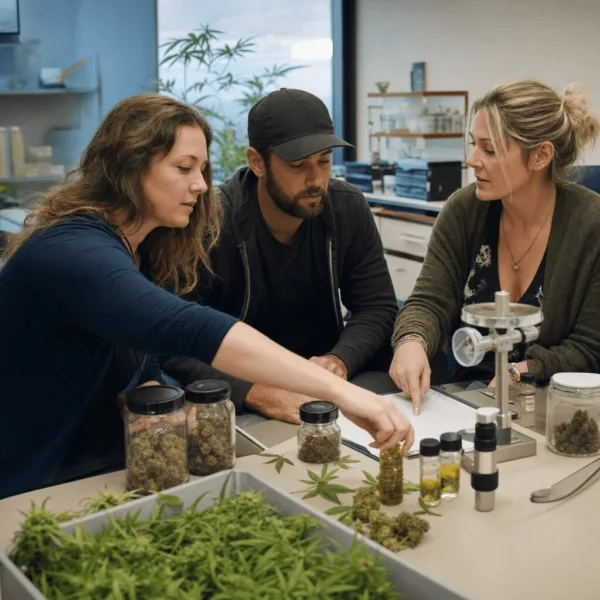
Let’s get into the nitty-gritty of this recent police marijuana grow lab bust. According to Times of Israel, Israeli law enforcement raided the Tel Aviv home of a prominent aide to May Golan, a controversial government minister. The twist? This wasn’t a targeted drug raid. Police stumbled across a sizable, home-based cannabis operation, complete with advanced grow lights and hefty plants, while searching for unrelated evidence. The room was a mess: old furniture, scattered stuff, daylight streaming through grimy windows, and the unmistakable scent of cannabis in the air. Authorities found enough plants and paraphernalia to allege commercial intent under Israeli law. Charges could range from possession to production with intent to distribute, a legal flashpoint detailed extensively by Haaretz. Recent news about high-profile arrests and their social fallout—similar to recent drug arrests that have sparked public debate—show just how quickly these events become flashpoints. Public reaction was immediate. Some saw it as a necessary clampdown on lawlessness, others questioned the priorities of authorities as the plant becomes more mainstream elsewhere. Key details, including the name of the suspect and whether charges have been officially filed, remain under wraps, but the controversy is already swirling on social media and in legislative corridors.
Expert Analysis: What Does It Mean for Cannabis Advocacy?
This incident is a classic case where the letter of the law and public perception collide. Industry experts see the police marijuana grow lab bust as another signal that prohibition policies haven’t kept up with global shifts. As Dr. Lihi Bar-Lev Schleper, an Israeli cannabis researcher, noted in a recent Leafly interview: “The cat is out of the bag globally. Enforcement alone isn’t going to eliminate demand, but it can drive people to riskier, less-regulated markets.” Over-regulation breeds this kind of underground innovation, DIY growers step in where policy lags behind. The busted operation was no small hobby grow; it hints at a much broader underground marketplace that still thrives when legal options are limited, a fact supported by New Frontier Data, showing that restrictive laws directly fuel unlicensed production. While these underground markets persist, innovative policies like recent efforts to unite advocates for better hemp policies could help shape smarter regulations. The resulting legal limbo, say experts, hurts consumers, police resources, and potential tax revenue alike.
Looking Ahead: Silver Linings and the Path Forward
Despite negative headlines, the cannabis movement is gaining ground. Each police marijuana grow lab bust is a reminder that society and regulators have unfinished business. Meanwhile, legal frameworks continue to evolve—countries like Germany are legalizing, and U.S. states are bringing in new reforms every election cycle (Marijuana Moment). Grassroots activists, harm-reduction advocates, and passionate consumers are pushing for more sensible, just cannabis laws. The takeaway? Setbacks like this won’t stop the plant’s momentum. There’s optimism that crackdowns will eventually give way to smarter regulation, more social equity, and a bustling above-ground industry that leaves clandestine living-room grow-ops behind. The future is green, and change—however slow—is inevitable.