


Driving Under Influence: Texas Lt. Governor’s Stance on Hemp Rules
Right now, Driving Under Influence issues are making headlines with Texas’ latest moves on hemp regulation. The question of what constitutes impairment is hitting both legal systems and the cannabis community square in the face. With evolving policies, strong industry reactions, and real consumer concerns, this debate over Driving Under Influence is crucial. Let’s break down how regulatory changes are prompting conversation and what this means for everyone from everyday drivers to hemp business owners.
Background: Texas Hemp Rules, Driving Under Influence, and Regulatory Haze
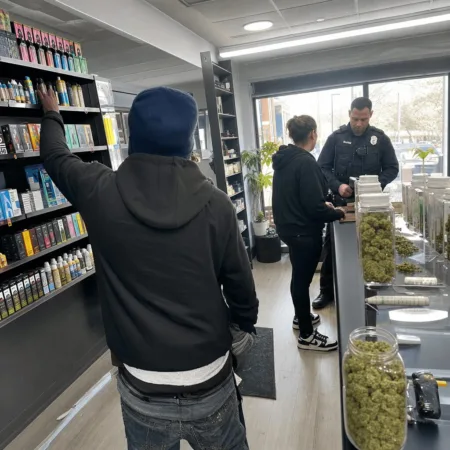
The intersection of cannabis laws and Driving Under Influence enforcement is feeding uncertainty across Texas and beyond. Since the 2019 Farm Bill federally legalized industrial hemp under 0.3% THC, states have wrestled with balancing hemp access and Driving Under Influence safety concerns. Texas authorities, from the Department of Public Safety to the Health and Human Services Commission, have struggled to define clear standards for Driving Under Influence related to legal hemp-derived products. According to Leafly’s Texas hemp law analysis, ambiguous impairment testing and product regulation keep consumers and law enforcement in legal limbo. With pressure mounting from both public safety advocates and pro-cannabis legislators, every new policy update resets the terms of the Driving Under Influence debate. In the wake of increased crackdowns and legal ambiguities, more Texans are finding themselves entangled in situations similar to recent Drug DUI Arrests Surge stories, reminding drivers to stay vigilant amid shifting regulations. A wave of lawsuits and administrative reviews underscores the significance of how Texas is handling the hemp market and, by extension, Driving Under Influence enforcement protocols. Meanwhile, stakeholders are urging clearer science-based standards so the industry can thrive without putting motorists or the public at risk.
Recent Developments: New Texas Executive Order and Driving Under Influence Crackdown
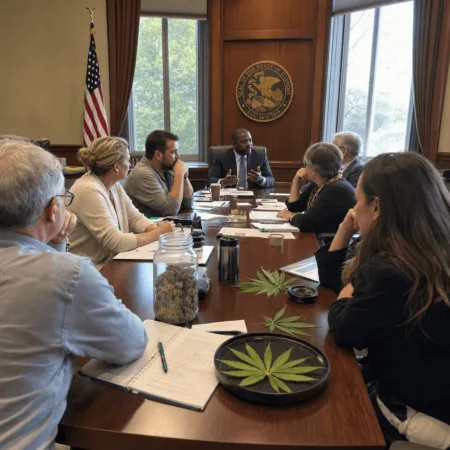
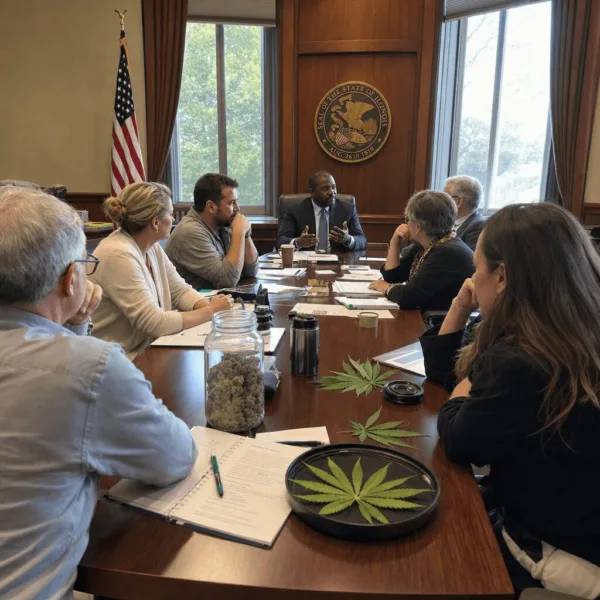
The latest twist in Texas hemp regulation came with a new executive order signed by the Lieutenant Governor, Dan Patrick, in early June 2024. The order tightens state agency oversight on the sale and distribution of consumable hemp products, especially focusing on delta-8 and delta-9 THC extracts. According to reporting by Hemp Gazette, the Lt. Governor’s move tasks the Texas Department of State Health Services with closely monitoring and potentially restricting products that may lead to Driving Under Influence incidents. He also pushed for accelerated legislative proposals ahead of the next session, citing public complaints about impaired drivers and accidental overconsumption. As part of the order, state agencies are directed to collaborate with local law enforcement and lab analysts to identify and flag unregulated hemp-based edibles or vape cartridges with psychoactive ingredients. Industry leaders—including several Texas-based cannabis advocacy groups—immediately criticized the ambiguity of ‘impairment’ metrics, arguing these measures put responsible businesses at risk while failing to address the root causes of Driving Under Influence cases. These evolving rules reflect major shifts every cannabis consumer needs to know in Texas’s THC regulation. Throughout June, hearings have showcased sharp divides between safety advocates and cannabis entrepreneurs, with both sides referencing recent NHTSA Driving Under Influence accident data and legal research from the National Organization for the Reform of Marijuana Laws (NORML).
Expert Analysis: Navigating Driving Under Influence, Public Safety, and Industry Growth
Texas’ crackdown on hemp-derived THC products, framed as a response to Driving Under Influence fears, ignites debate across the cannabis sector. Critics argue that without scientifically reliable impairment tests for cannabinoids, legislative crackdowns risk criminalizing lawful consumers. As Marijuana Moment has reported, most field sobriety methods used by police can’t reliably distinguish cannabis impairment from legal consumption, especially since THC can remain in the system well after impairment has passed. According to Texas attorney and cannabis policy specialist Heather Fazio: “The line between safe, legal use and Driving Under Influence is blurred by today’s patchwork of regulations. It’s vital we develop standardized, science-based impairment testing, or risk criminalizing responsible adults.” The discussion about safety and access is at the forefront, particularly in light of recent legislative updates such as age-based THC restrictions following recent changes impacting marijuana possession and new age limits. Harmonizing safety and access is a fine balance. While public safety demands protection from impaired drivers, overly broad enforcement may stifle legitimate hemp commerce, especially among medicinal users. Forward-looking states have begun funding studies for reliable roadside THC impairment tests, as highlighted by Leafly, providing a path for Texas and others to build smarter, evidence-based Driving Under Influence policies.
Texas Hemp’s Future: Safer Roads and Smarter Laws
What’s next for Driving Under Influence law in Texas? The answer depends on the cannabis community, policymakers, and how much science can shape regulatory reform. The industry is pushing for protocols that safeguard roads without hamstringing business growth. Citing the National Conference of State Legislatures, states nationwide are updating impairment standards, investing in advanced detection tech, and reviewing Driving Under Influence case law. What’s clear: legal cannabis and driving safety can—and must—coexist. As more Americans embrace plant medicine, fresh Texas policy debates may well become models for other states. Progressive, fair regulation can foster both safer streets and a booming, responsible hemp market. The road ahead is dynamic, but Texas’ journey with Driving Under Influence reform will no doubt keep the national cannabis conversation rolling chill and steady.
Originally reported by: coosavalleynews.com