


Abbott THC regulation order: What Patrick’s challenge means
Things are heating up fast in Texas, folks, and the cannabis scene is front and center. The Abbott THC regulation order is stirring a serious pot (pun intended) in the industry. Recent legislative debates, shifting public attitudes, and a surge in product demand make this a top issue. With policymakers questioning how much THC should be legally allowed in non-medical products, the stakes are sky-high for patients, entrepreneurs, and anyone invested in a modern, responsible cannabis culture. Let’s break down what’s happening, why it matters, and how Texas might redefine the Southern cannabis landscape—again.
Background: How Did the Abbott THC Regulation Order Become a Flashpoint?
To really get Texas’ current energy, it’s key to understand the broader legal landscape. THC regulations have been a recurring battleground in states resisting or slowly adapting to cannabis reform, and the ongoing changes can remind some observers of recent headlines, such as how industry events like the NECANN NJ Cannabis Convention are fueling a wider conversation about market trends and regulatory shifts. While Texas passed the Compassionate Use Act years ago, allowing low-THC medical cannabis, state laws have put some of the strictest caps anywhere in the country. According to The Texas Tribune, this close regulation pits lawmakers, medical users, and the exploding wellness marketplace in direct conflict. The Abbott THC regulation order isn’t happening in a vacuum, lawmakers are responding to fears of recreational loopholes, public safety, and conflicting guidance from the FDA and DEA. And let’s not forget that Texans are seeing how neighboring states (like Oklahoma and New Mexico) are rolling up fresh industry models with different risk/reward vibes.
Key Developments & Issues: Abbott THC Regulation Order Sparks Capitol Showdown
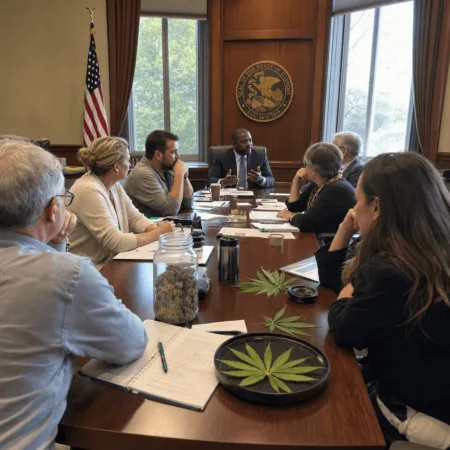
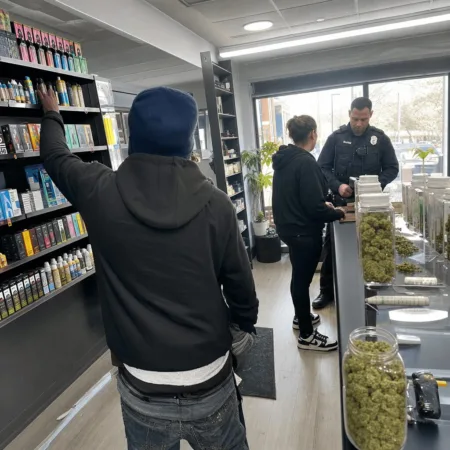
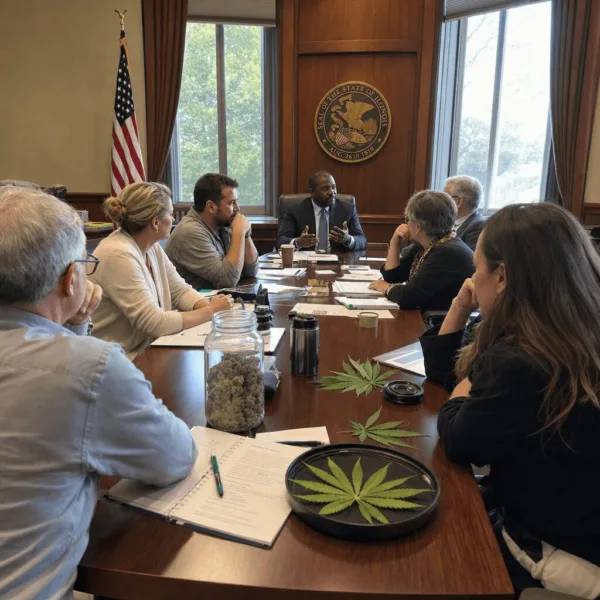
Here’s where things get spicy, on June 28, 2024, Lieutenant Governor Dan Patrick openly challenged Governor Greg Abbott’s administration regarding enforcement of the latest THC regulatory orders. During a tense roundtable at the Texas State Capitol, captured by regional news outlets like Fox 4 News, lawmakers debated the core terms of the Abbott THC regulation order: Should THC limits on hemp-derived products like edibles and beverages drop even lower? Patrick argued that recent retailer surges in urban areas are outpacing current regulatory controls. Leading patient advocacy groups and legacy hemp operators expressed sharp concerns about increased law enforcement actions, possible supply chain disruption, and confusion for medical cardholders. As lawmakers and industry participants weigh these options, there are striking similarities to what’s happening now as seen in reports about Abbott’s THC sales restrictions and hemp industry responses. Specific provisions of the order reportedly seek to restrict permissible THC levels in consumer products under state hemp programs, though there’s heated debate about defining “intoxicating” versus “therapeutic” doses. Manufacturers like Texas Original Compassionate Cultivation are warning of unintended market consequences if enforcement ramps up without clarity.
Expert Analysis & Pro-Cannabis Counterpoints
So, what does all this regulatory wrangling actually mean for the Texas cannabis community? For one, it’s fueling uncertainty for patients and operators who’ve invested in compliance under the current patchwork of rules. As Marijuana Moment quotes National Cannabis Industry Association policy director Aaron Smith: “Moving the goalposts without science-based standards undermines trust and creates barriers for responsible businesses trying to do things the right way.” Advocates also point out that restricting THC levels doesn’t make illicit markets go away, it just hinders legal access, reduces transparency, and discourages investment in safer, regulated supply chains. Texas isn’t alone: other recent incidents, like the headlines around a Midland THC enforcement action and the debates it has stirred, show the consequences that can arise when regulation isn’t clearly defined. Many industry veterans agree that Texas is at an inflection point, will it build on public health and safety fundamentals, or revert to old-school prohibition tactics that never work in the long run?
Future Outlook & Conclusion: Texas Cannabis Isn’t Backing Down
The Abbott THC regulation order might feel like a stormcloud for now, but there’s plenty of silver lining ahead. As NORML reminds us, even tough debates are signs of a maturing market—one where science, economics, and personal freedom are actually shaping public policy. Across Texas, from Austin’s tech corridors to Houston’s medical campuses, consumers are demanding clarity and fairness. Regulators may tighten controls for now, but the trend line is obvious: more education, better products, and an eventual embrace of sensible cannabis reform. Stay tuned, Texans—change might not come easy, but the future’s looking greener every day.
Originally reported by: fox4news.com