




Unregulated Hemp THC Ohio: The Legal High Making Waves
If you’ve noticed a new buzz floating through Ohio, you’re not alone. The state has become ground zero for shifting laws, wild innovation, and heated debates, all thanks to the sudden popularity of unregulated hemp THC Ohio products. Whether you’re a longtime cannabis activist or just curious about what’s flying off the shelves, now’s the time to tune in. Legal loopholes, surprising market moves, and a patchwork of enforcement have sparked a statewide green rush—the kind that’s changing how Ohio, and the rest of the country, thinks about the power of hemp-derived THC. Let’s dive into what’s happening, why it matters, and where all this might lead.
Unpacking the Wild West: Regulatory & Social Context
To understand unregulated hemp THC Ohio trends, you’ve got to start with federal law. The 2018 Farm Bill (source: U.S. Food & Drug Administration) opened a vast grey area by making hemp-derived cannabinoids, including Delta-8 and similar compounds, federally legal, as long as they contain under 0.3% delta-9 THC by dry weight. Yet, Ohio’s local lawmakers moved more slowly, leaving gaps in enforcement and oversight.
Legally, hemp-derived THC is not the same as marijuana, it’s technically legal, but its effects mimic traditional highs. Retailers saw the loophole, and suddenly, shelves filled with vapes, gummies, and edibles loaded with ‘legal’ THC. Yet, as coverage by Marijuana Moment and other reputable outlets shows, the regulation of these products depends on the state. For anyone wondering how state marijuana laws fluctuate, there is a fascinating exploration of wild state-by-state changes in access in this Delta-8 THC legality study. That means what’s safe, let alone legal, in one town could be banned, celebrated, or totally ignored just down the road.
On the social side, Ohioans’ attitudes are split. Some see unregulated hemp THC Ohio products as safe and natural. Others worry about safety, consistency, and youth access, echoing concerns raised by the New York Times in its analysis of Delta-8 trends. Retailers, consumers, medical experts, and law enforcement are still trying to navigate this barely-charted territory together. As we see opinions split and communities debate cannabis access, the social effects of legalization are thoroughly impacting modern life, a trend well-documented in the context of broader legalization efforts shaping society in 2024.
Key Developments & Real-World Fallout
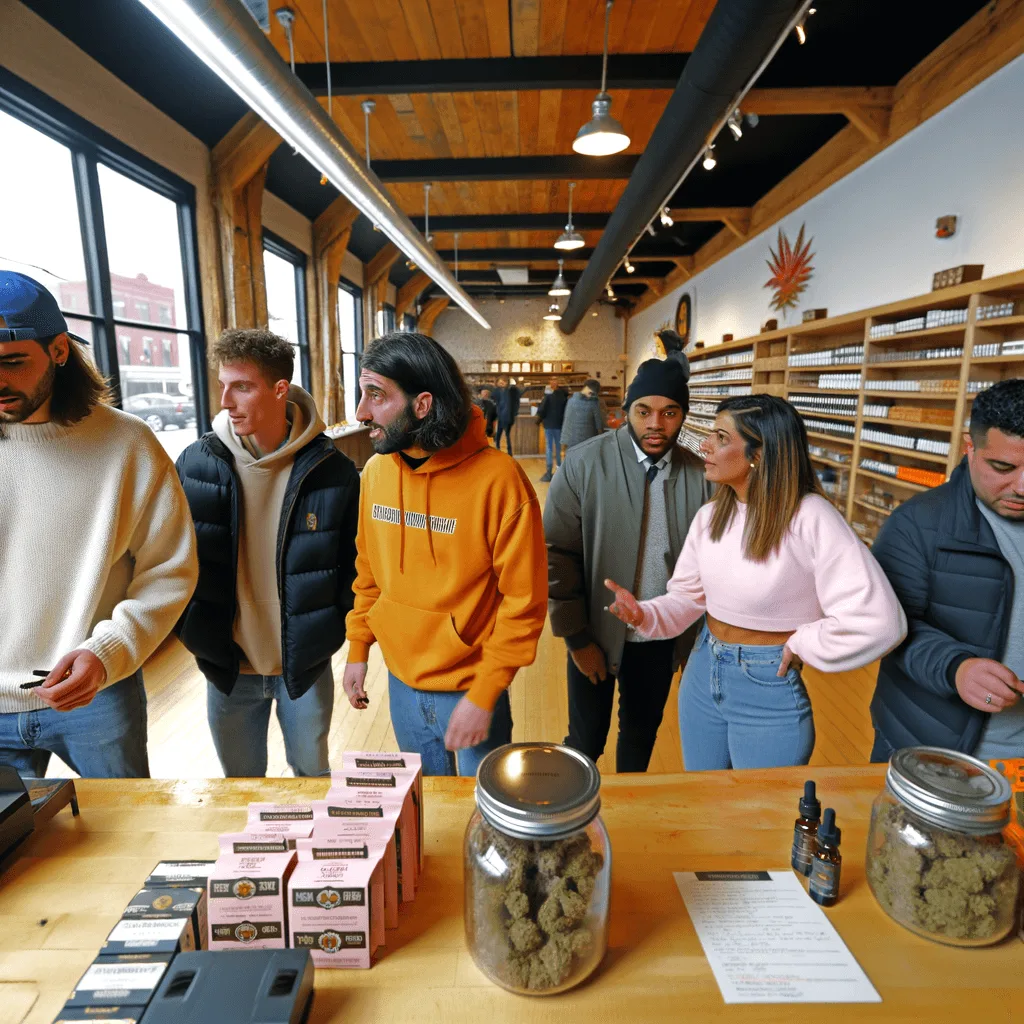
Here’s where things start to get wild, and a bit confusing. In early 2024, unregulated hemp THC Ohio products exploded in popularity, driven by entrepreneurs seeking a legal alternative to marijuana after Ohio’s slow legislative rollout. Shops from Columbus to Cleveland began selling potent Delta-8 and other hemp-derived cannabinoids, all thanks to creative interpretations of the law. According to reporting from Cleveland.com, boutique hemp retailers, including local favorites such as Ohio Grown Hemp and Leaf Relief, led the charge, stocking products that quickly gained cult status among consumers seeking a mellow high without the legal baggage.
By mid-2024, regulators and lawmakers started to take notice. The Ohio Board of Pharmacy, citing a spike in emergency room visits and parental complaints, issued advisories but stopped short of outright bans. Still, cities like Cincinnati and Akron drafted their own ordinances to restrict unregulated hemp THC Ohio sales, as detailed in updates from Marijuana Policy Project. Across the country, different states are producing remarkable stories as law enforcement and policy respond to marijuana and hemp, including communities stunned by high-profile chases, such as the recent Fond du Lac police marijuana incident that showed just how rapidly things can escalate.
Meanwhile, statewide advocacy groups like the Ohio Cannabis Coalition lobbied for balanced regulation, enough oversight to stop unsafe products without crushing the greener boom. Ohio’s medical marijuana program, covered by Cannabis Business Times, saw both opportunity and threat: dispensaries feared losing customers to easy-access hemp THC while also hoping for new reforms to level the playing field. Ongoing debates highlight the privacy, regulatory, and rights issues facing locals, similar to the Bedford marijuana privacy controversy that shook community perspectives and called for new discussions about cannabis rights.
Expert Insights: What This Means for the Cannabis Industry
Ohio’s experiment with unregulated hemp THC products speaks volumes about where cannabis is headed nationwide. While risks exist—think mislabeling, contamination, or access by minors—many in the industry see this as a sign of public demand outpacing lawmaking. As Leafly analyst David Downs puts it, “Consumers want safe access. They’re looking for consistent effects, clear labeling, and above all, honesty from the industry and regulators alike.” That honest demand remains whether the legal framework keeps up or not.
From an economic standpoint, unregulated hemp THC Ohio sales have blown the doors open for small businesses, challenging established dispensaries and forcing the state to rethink its cannabis rules. The national market for hemp-derived cannabinoids is predicted to keep growing, as outlined by Benzinga, regardless of whether every loophole gets closed.
The challenge lies in balancing innovation and public health. “No one wants to see kids accidentally get hold of strong hemp THC gummies, but we also can’t ignore how important small, legal markets are for cannabis normalization,” says cannabis attorney Rachel Doran, quoted in Marijuana Moment. As we look ahead, federal policy changes, including debates over rescheduling marijuana, continue to make headlines and fuel industry speculation; for a closer look at national-level prospects, you’ll find a thorough overview and expert opinions in this piece on what’s next for rescheduling marijuana.
What’s Next? Outlook & Wrap-Up
No matter how the dust settles, Ohio’s hemp THC showdown feels like a glimpse into the future—where states, cities, and communities negotiate the evolving role of cannabis. More oversight is coming, but so is smarter regulation: bills proposed in the Ohio Assembly would bring lab testing, age restrictions, and labeling rules, according to Ganjapreneur. As lawmakers listen (albeit slowly) to expert and public feedback, Ohioans continue to shape cannabis norms from the ground up.
For consumers, businesses, and advocates, the lesson is this: stay informed and stay engaged. The story of unregulated hemp THC Ohio isn’t just about loopholes or legal highs—it’s about a state finding its feet in the new cannabis era. If Ohio can strike the right balance, it could become a model for safe, smart, and socially responsible cannabis reform—proving once again that when it comes to green innovation, the Midwest is anything but behind the times.
Originally reported by: cleveland.com