



Alabama Hemp THC Law Changes: What Students Must Know Now
Suddenly, Alabama’s hemp market is spicing up—and not just with new products, but new hurdles too. The Alabama hemp THC law changes are front and center, with students, university researchers, and cannabis advocates buzzing about new compliance headaches, legal gray areas, and what Alabama’s future holds for hemp-derived THC. If you’re curious, confused, or just want the real scoop, stick around. We’ll break down these Alabama hemp THC law changes, show you what matters most, and drop the lessons you need to stay ahead of this shifting landscape.
Alabama’s Hemp Laws: The Highs, Lows, and Gray Areas
Let’s roll back a bit. Alabama hopped on the hemp train after the 2018 Farm Bill legalized hemp nationwide (as long as it packs under 0.3% Delta-9 THC). Alabama built its own regs, letting researchers and growers cultivate hemp, but always with an emphasis on keeping the intoxicating stuff out, on paper, at least. Fast-forward to now, the hemp boom has led to a surge of Delta-8, Delta-10, and other THC variants, which have famously skirted around the classic Delta-9 limits. There’s growing attention on the impact these trends have on product pricing and consumer access, and in some markets, these changes bring deep savings and big changes for those buying cannabis products, making it clear that cannabis prices benefit consumers in the long run. The feds are watching, states are tightening policies, and local news sites like Hemp Gazette frequently publish on the murky line between legal hemp and illegal THC. Lawmakers are hustling to redefine the boundaries and some students and researchers, especially at universities like Troy, are feeling the squeeze firsthand. According to Marijuana Moment, states nationwide are scrambling to handle the legal pitfalls of new cannabinoids, and Alabama’s changes are part of a much bigger national chess game.
Key Developments: What’s Actually Going Down in Alabama’s Hemp Scene?
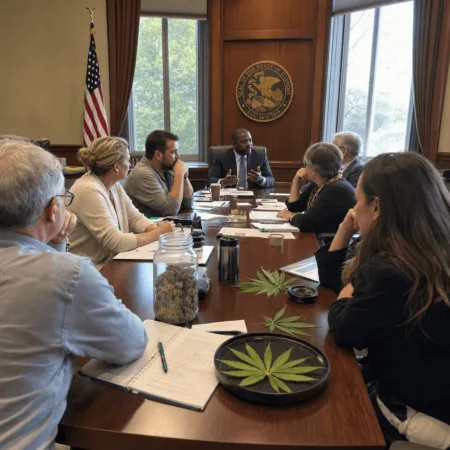
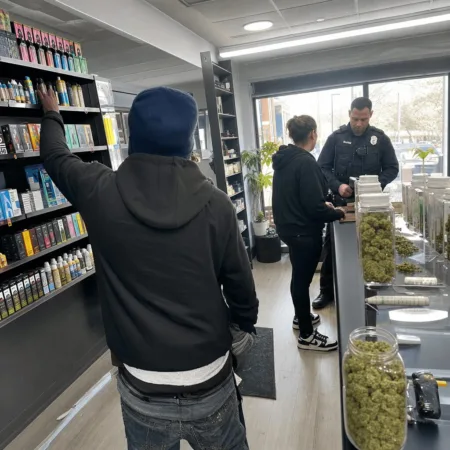
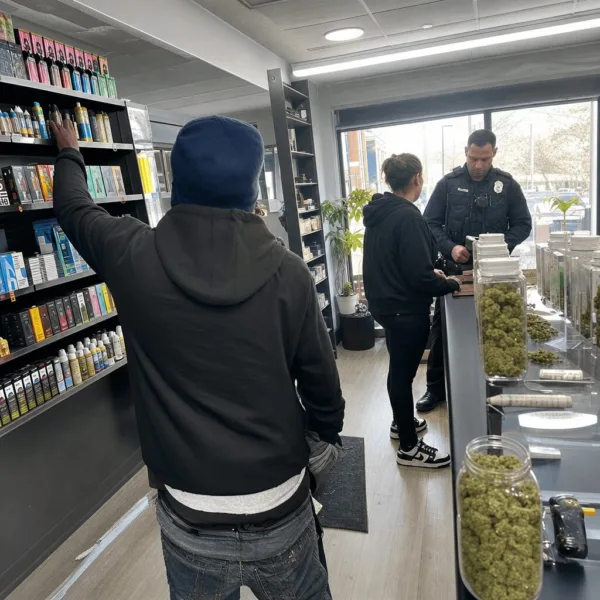
On May 2024, waves rippled across the state, thanks to fresh Alabama hemp THC law changes that clamped down on intoxicating hemp-derived products, especially the Delta-8 variants. This follows a national uptick in concern, as reported by The New York Times. Unregulated THC analogues are driving safety, law enforcement, and campus policy debates. Troy University became ground zero after local authorities flagged students and faculty for possessing what was believed to be legal hemp-derived THC. According to Hemp Gazette, police seized products sold as compliant Delta-8, sparking an investigation into their actual chemical makeup. Regulatory bodies pointed to a new state directive clarifying that any psychoactive THC variant—Delta-8, Delta-10, or even THC-O—isn’t cool outside of medical marijuana frameworks. There’s growing debate about community safety, especially given stories surfacing about children’s exposure to cannabis-derived products in various states, bringing to light ongoing realities and lessons for public health that echo the safety lessons in modern cannabis culture. The crackdown hasn’t stopped at universities. Retailers across Alabama are pulling products, worried about liabilities from this legal shakeup. These Alabama hemp THC law changes put academic research, student rights, and the local industry in flux, all under a very public microscope.
Expert Analysis & Pro-Cannabis Counterpoints: Rolling Through the Nuances
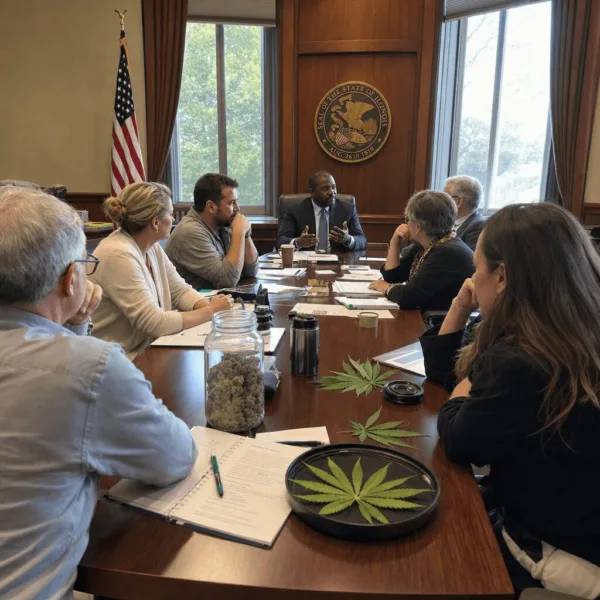
Here’s the inside take. Every time lawmakers play whack-a-mole with cannabinoids, consumer safety, and industry innovation end up in the crossfire. According to Leafly, states crater their homegrown markets when they ban, instead of regulate, new hemp compounds. Students, researchers, and entrepreneurs get caught in the smoke, hampering research and local economies. As Dr. Ethan Russo, a globally respected cannabis scientist, told Forbes: “A heavy-handed legislative approach doesn’t protect the public. Smart regulation and honest science do.” Industry adaptation is happening everywhere, and businesses are trying to stay ahead of shifting regulations, much as companies recently had to adjust to dramatic market reforms elsewhere—just like what vapers and shop owners experienced after the Texas THC vape ban changed the local scene. The Alabama hemp THC law changes could actually slow progress in understanding medical potential and consumer risk. Responsible industry players, like university labs and licensed hemp retailers, want clear, science-backed standards, not blanket bans. Consumers deserve products that are safe and labeled honestly, not stuff lurking in the shadows. Most advocates agree, cooperation with regulators builds better public health, and keeps the wild, wild West of hemp from devolving into chaos. Instead of cracking down, why not work with students and researchers to ensure everyone wins?
The Road Ahead: Staying Lit, Staying Legal
Here’s the takeaway: Alabama hemp THC law changes are shaking things up, but this isn’t just another drug panic—it’s a marker of how quickly hemp and cannabis policy is evolving. Students, educators, and industry pros must stay nimble, keep up with regulations, and push for smart, collaborative reform. With solid oversight, open dialogue, and real science, Alabama could become a model for how to handle the rise of hemp-derived cannabinoids. And hey, the national tide is flooding in: according to NORML, more Americans are supporting cannabis reform every year. So keep your head high, eyes open, and remember: cannabis culture is moving forward, and the best chapters in Alabama’s hemp story are yet to be written.
Originally reported by: hempgazette.com