



Texas THC Vape Ban: How Shops, Users, and Businesses Are Hit
The Texas THC vape ban is sending shockwaves through the Lone Star State’s growing cannabis scene. With evolving legal landscapes and market surges, this ban landed at a crucial time for vapers, entrepreneurs, and anyone tracking the future of cannabis in Texas. THC vapes were a game-changer for many businesses and medical users, but a hard stop just came into play. Today, I’ll break down what happened, why it matters, and what it really means for Texas’ tight-knit cannabis community. So whether you’re a shop owner, casual consumer, or policy-watcher, buckle up for the full story on how the Texas THC vape ban will shape the cannabis landscape—and what may come next.
What’s the Real Story Behind Texas’ New THC Vape Ban?
Before diving into what’s changing, let’s talk about why Texas regulators hit pause. The state’s cautious approach to cannabis policy has shaped every move for years, and understanding who actually qualifies for medical marijuana access in Texas in 2024 gives additional context to this regulatory environment. Unlike trendsetting West Coast states, Texas has only legal medical cannabis via limited low-THC oil, while adult-use remains off the table for now. The Texas Department of State Health Services recently took a stricter interpretation of hemp laws, especially after the 2018 federal Farm Bill opened the door for hemp-derived products, shaking up the market. THC-infused vape cartridges rapidly became household names, but legal gray areas, around how those vapes are made, labeled, and sold, left the door wide open for enforcement. Meanwhile, local law enforcement ramped up attention amid growing media scrutiny of vaping health incidents nationwide. Now, Texas is trying to clarify, and restrict, what’s actually allowed. In short, don’t mess with Texas’ cannabis rules, especially if THC is involved.
How the Texas THC Vape Ban Is Unfolding: The Major Moves and Real-Life Impacts
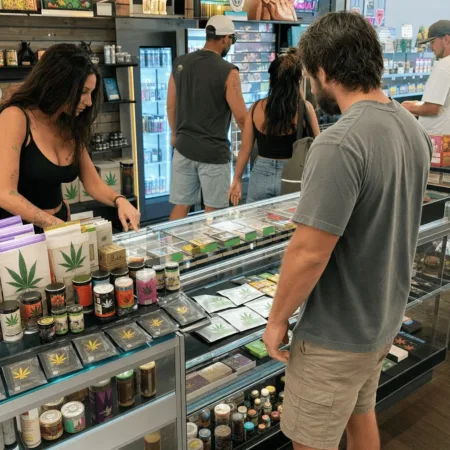
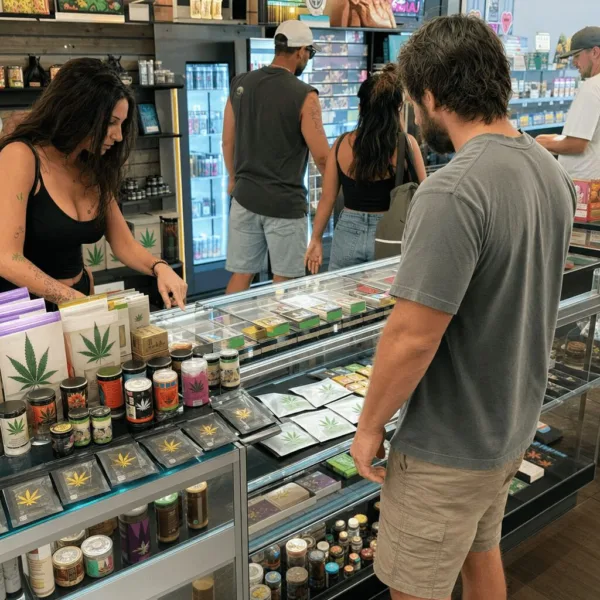
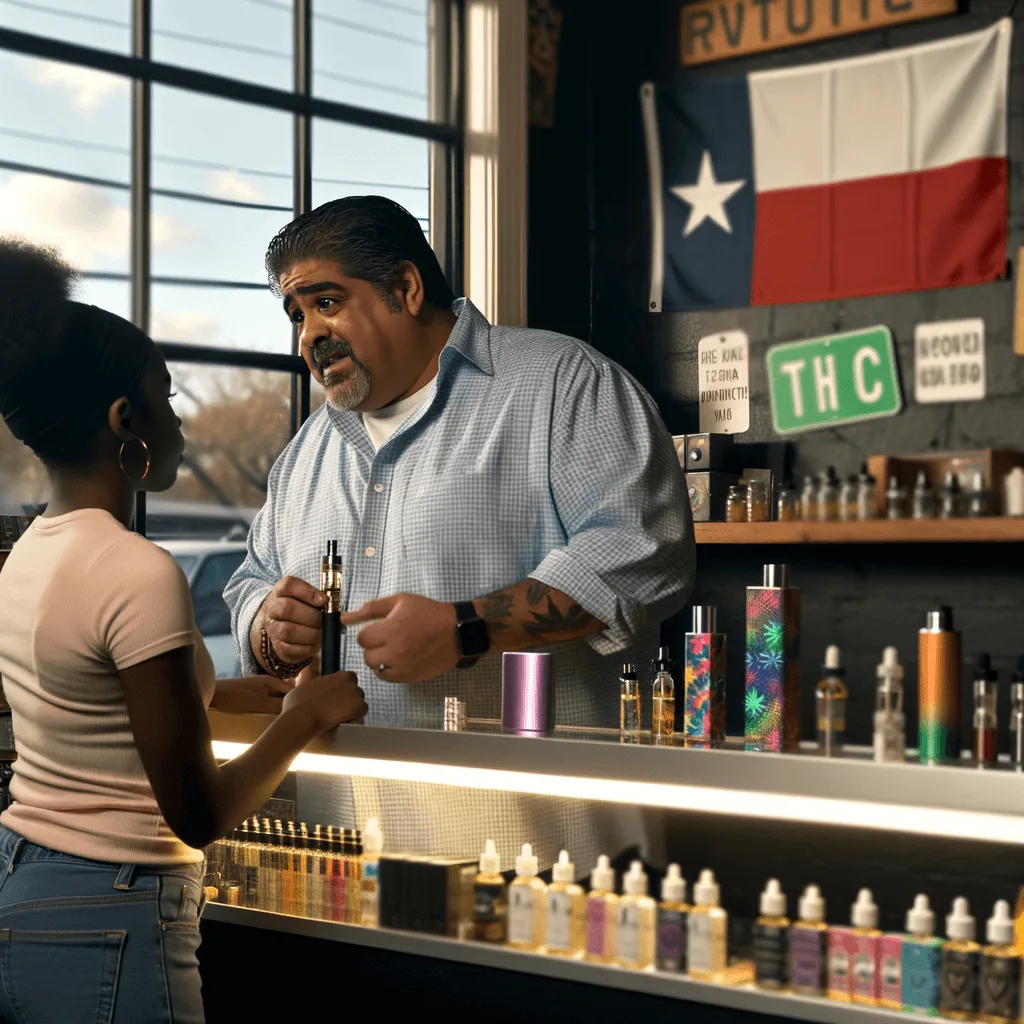
Let’s break down what this actually looks like on the ground. As reported by CBS News Texas, new enforcement by Texas state authorities has put an immediate stop to the sale of all THC vape products, even those previously considered legal under the hemp loophole. Shop owners in North Texas, including businesses like CBD American Shaman and Utoya Organics, are reeling from sudden inventory losses. Some report being forced to pull products off shelves overnight, effectively gutting large chunks of their business model. According to state notices, retail shops had to dispose of or surrender any products containing delta-8 or delta-9 THC in vaporized form, regardless of how they were sourced. This echoes a trend seen in earlier regulatory actions, such as when Texas tried to ban delta-8 in 2021, which led to fierce legal challenges. The difference now is that the ban is specific, immediate, and strictly enforced. Many business owners say they were blindsided. Vape consumers, especially those relying on legal THC vapes for pain or anxiety, now face uncertainty or must switch to less-accessible alternatives. Industry workers warn of layoffs, lost investments, and major hits to small local businesses. These sudden regulatory changes are reminiscent of barriers faced by other state cannabis markets, such as in Ohio where the cannabis market is still evolving and struggling with policy shifts. Texas’ cannabis economy is feeling the heat at every level, fueling debate on whether this crackdown will help or just hurt Texans.
Industry Experts Weigh In: Analysis, Insights, and What This Really Means for Texas
Let’s get real—this moment signals much more than a one-off product ban. It’s Texas putting the brakes on a rapidly developing market, just as consumer demand for THC vapes spiked. According to Marijuana Moment, experts agree this represents a test of how state and federal cannabis law can clash. There’s no hiding the fact that millions of dollars in revenue are on the line, along with consumer trust. Dr. Peter Grinspoon, a cannabis specialist at Harvard and prominent industry voice, notes: “Whenever new bans drop suddenly, legacy consumers and patients feel the greatest pain, especially in states lacking robust, regulated cannabis options” (Harvard Health Publishing). Shops are scrambling for legal clarity and alternative product lines, with many investing in CBD-only formulas or fighting bans in court. The ongoing push for consumer awareness speaks to the broader movement for deep savings as seen in nationwide cannabis price drops that are benefiting consumers and changing markets. The industry sees parallels to shifting laws around delta-8 THC, with lawsuits and appeals already in motion. Meanwhile, consumer education is desperately needed; many Texans still don’t fully grasp the legal nuances separating different cannabinoids. If this all sounds like a wild ride, that’s because Texas, a state famously slow to legalize, finds itself at the crossroads of business innovation and regulatory whiplash. What happens here could set a precedent in conservative-leaning states nationwide.
Where Do We Go from Here? Optimism, Resilience, and the Next Wave for Texas Cannabis
There’s no denying that the Texas THC vape ban hit hard in the short term, sending waves across the local industry and shaking up consumer routines. But if history’s any guide, the cannabis community never stays down for long. As seen in states like Colorado and Illinois, regulatory crackdowns sometimes lead to better, safer products once the dust settles. Grassroots advocacy is growing stronger, and many Texas lawmakers are feeling pressure to re-examine outdated policies.
The broader US cannabis market, already valued at over $25 billion annually (Statista), shows that public support and economic incentives are tough to ignore forever. Expect increasing calls for regulatory reform, improved product safety, and market innovation—especially as consumers demand safer, legal options. For now, vape fans and shop owners must be resilient. The energy, determination, and creativity of the Texas cannabis scene won’t be held down for long—and many believe legalization and market expansion could be on the horizon, despite current roadblocks. Stay engaged, stay informed, and remember: the future of Texas cannabis is still up for grabs.
Originally reported by: cbsnews.com