Cannabis Testing Safety: Uncover the Hidden Risks Today
Let’s be real—cannabis sales are booming, and products are found everywhere from trendy shops to wellness stores. But buried beneath the hype is a crucial topic sparking headlines: cannabis testing safety. With the legal market expanding rapidly, consumers and advocates alike are questioning how safe tested cannabis truly is. Recent investigations and shifting regulations shine a light on the risks and inconsistencies behind that little label promising purity and potency. In this deep dive, we’ll unpack why cannabis testing safety matters more than ever, explore the regulatory challenges, reveal surprising industry practices, and share what experts say must happen next.
Behind the Label: Regulatory & Social Realities in Cannabis Testing Safety
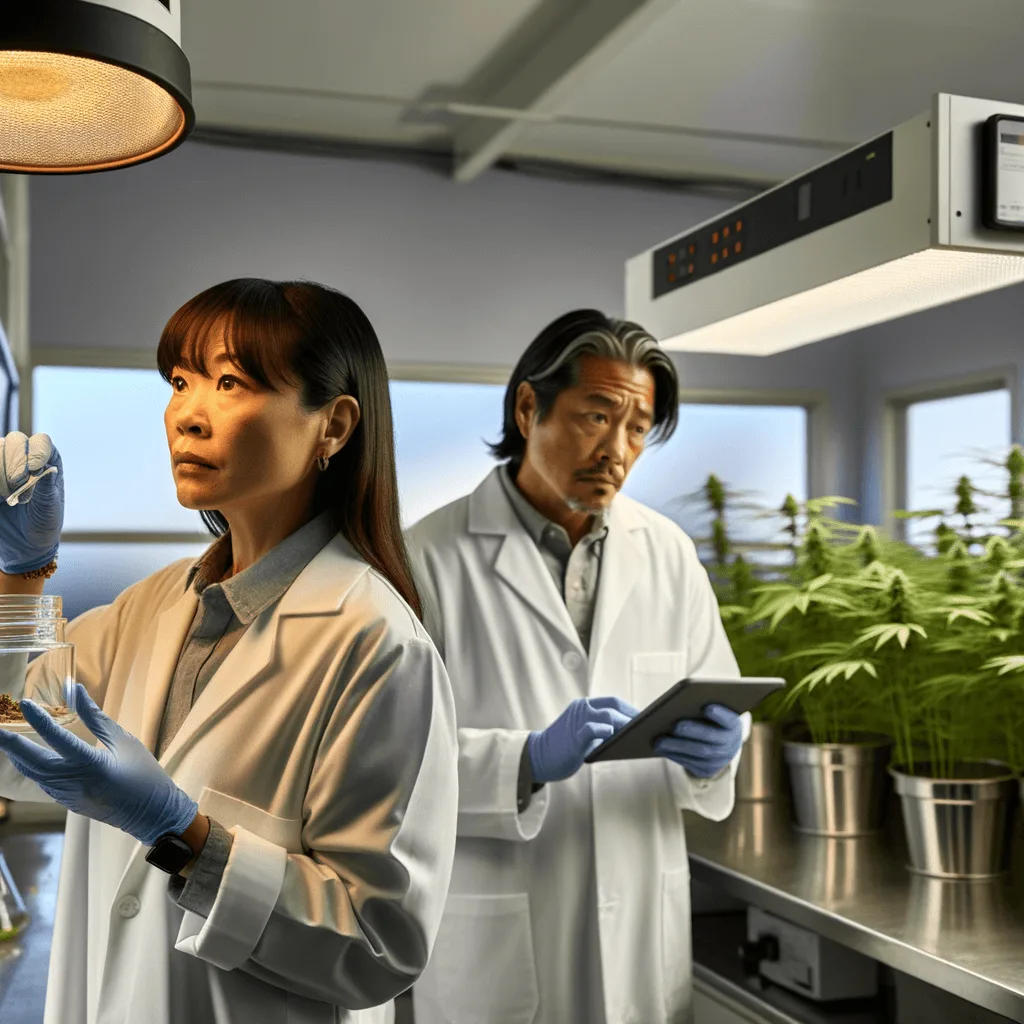
The legal cannabis wave has swept across dozens of states, bringing hopes for safer products and smarter policies. Yet, the reality of cannabis testing safety tells a more complex story. States like California, Colorado, and Illinois have established strict testing protocols, requiring labs to screen for pesticides, potency, and contaminants (NORML). However, as noted by the Marijuana Moment, the decentralized nature of state laws brings dramatic differences in standards, enforcement, and oversight. Socially, there’s growing pressure from consumers for transparency, yet many remain unaware of testing loopholes or lab shopping. Broader legalization debates, such as those recently sparked by proposed changes in Massachusetts marijuana laws, underscore how the lack of comprehensive federal oversight keeps the landscape patchy and sometimes confusing, as seen in evolving policies across the nation (recent state debates), further complicating efforts to guarantee consistent cannabis testing safety across the U.S.
Unmasking the Issues: Recent Developments in Cannabis Testing Safety
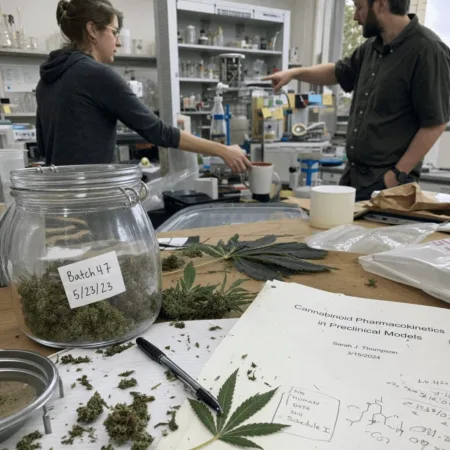
This year, headlines have highlighted how easy it can be for unsafe cannabis to land on dispensary shelves. According to My Herald Review, independent journalists discovered worrying discrepancies in testing results across states like Arizona and Nevada. Products passed in some labs failed in others, while a New York Times investigation revealed companies shopping around for higher THC results—something known as ‘lab shopping.’ Las Vegas-based CanTest and California’s SC Labs were flagged for reporting inconsistent THC and contaminant findings on identical products. Illinois regulators recently tightened rules after identifying that certain edible batches with failed pesticide screenings were still sold, creating potential health risks (Illinois.gov). Notably, ongoing enforcement actions, such as high-profile law enforcement busts, continue to stoke debate over public safety and the status of legal and illegal cannabis markets (see recent enforcement actions). The article also references lawsuits, like a 2023 complaint in California accusing a testing facility of inflating THC percentages to help clients’ products sell better. All these examples highlight ongoing flaws, missed catches, and just how vital it is to address cannabis testing safety as legalization grows.
Expert Takes: What the Data and Industry Voices Say on Cannabis Testing Safety
So, why are these flaws still a thing? Experts cite market pressure, fragmented laws, and fast evolution outpacing regulators. Leafly notes that lab shopping and result manipulation often happen because there’s huge consumer demand for high THC numbers, sometimes at the expense of genuine cannabis testing safety. As David Dawson, a longtime cannabis quality consultant, puts it: “Our testing system is patchwork at best. Until we have cohesive, science-driven standards nationwide, consumers will face avoidable risks with their weed.” (Cannabis Industry Journal). On a positive note, states like Oregon and Colorado are increasingly implementing blind proficiency tests and surprise audits for labs (Oregon OLCC), and groups such as the American Herbal Products Association push for more transparency. There is also encouraging news from innovators in cannabis extraction and testing, as companies pioneering cleaner and more reliable production methods help shape a safer market for all (industry innovation in clean cannabis). The truth? Most regulated-market weed is safer than what you’d find on the legacy street market, and each year brings steps forward. Still, the industry knows it has to level up for true cannabis testing safety.
What’s Next? The Future of Cannabis Testing Safety
The path forward is bright, but not without speedbumps. As states refine their programs and consumer watchdog groups grow louder, the call for reliable, standardized cannabis testing safety only gets stronger. Leading industry insiders expect that federal legalization—or at least FDA guidelines—could help fix inconsistencies, paving the way for stronger consumer trust. Forbes reports that laboratory accreditation programs and technology investments are already upgrading product safety in mature markets. There’s every reason to believe that as science, law, and consumer awareness catch up, cannabis testing safety will become a standard, not a perk. Until then, informed advocacy, transparency, and a little healthy skepticism will keep shaping the green future—for the better.
Originally reported by: myheraldreview.com