



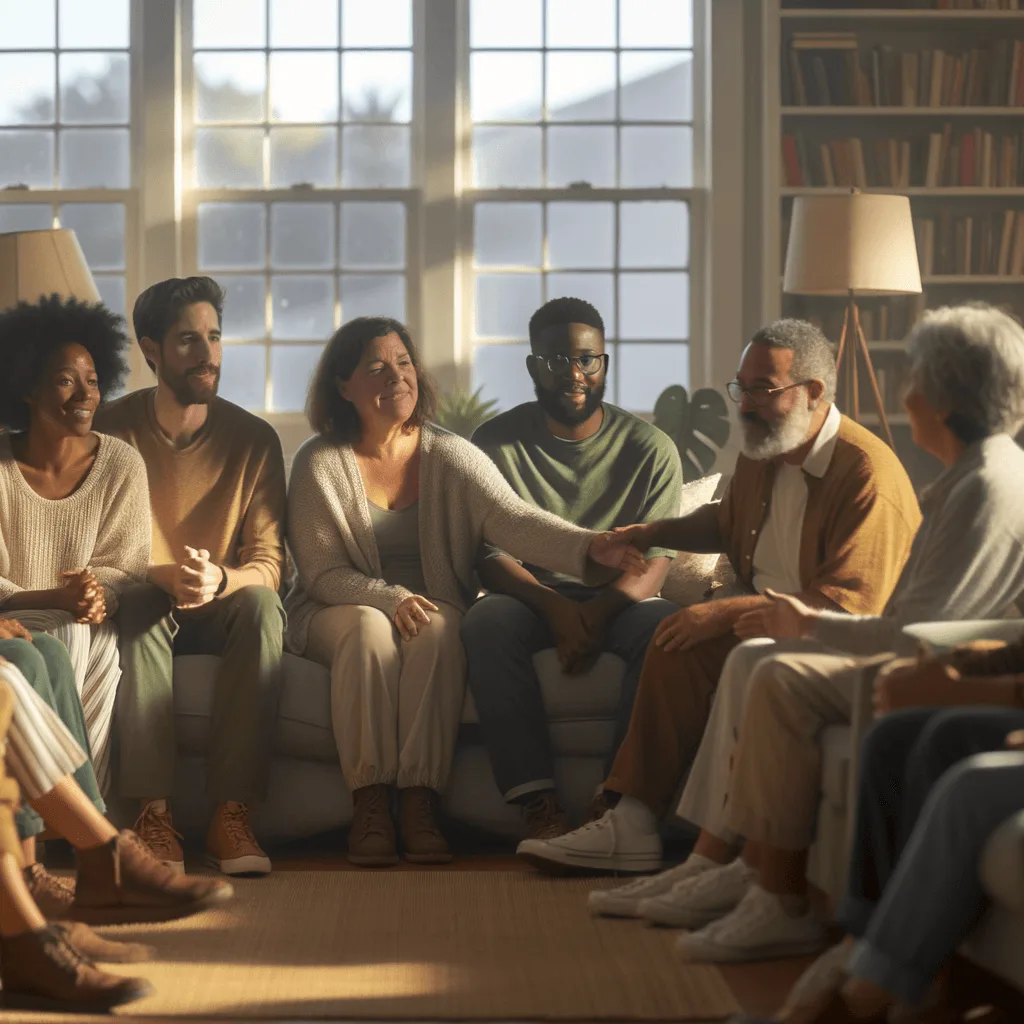
How Psychedelics Enhance Connection: Unlocking Deeper Bonds
If you’ve been paying attention lately, it’s hard not to notice a new wave breaking over both the cannabis and psychedelics scenes: folks everywhere are talking about how psychedelics enhance connection—whether that’s with friends, strangers, or even themselves. Recent research is sparking conversations from dispensary counters to conference halls, showing how these compounds can deepen relationships and spark empathy. As new studies capture public attention, these mind-bending substances aren’t just festival fare anymore—they’re pushing into mainstream medicine, and the cannabis community is watching closely. Let’s explore why this matters, what’s really going on, and how it ties back to the evolving cannabis space.
From Prohibition to Possibility: Setting the Legal and Social Stage
Understanding how psychedelics enhance human connection starts with knowing the legal journey both cannabis and psychedelics have taken. For decades, substances like psilocybin, LSD, and MDMA existed in the same shadowy corners as cannabis, stigmatized and banned under laws such as the United States’ Controlled Substances Act. Times are changing, though. In the past five years, local governments from Oakland to Portland have started to soften restrictions around psychedelics in much the same way as early cannabis legalization movements.
Market interest keeps rising. Recent industry reports predict North America’s psychedelic market will grow at double-digit rates through 2029—driven by investments, innovation, and patient advocacy. Voters and activists are increasingly seeing psychedelics as tools for mental health and social healing, similar to how medical cannabis went mainstream. As these perceptions shift, it’s clear why psychedelics and connection are such a hot topic—legal reform, scientific research, and a desire for deeper bonds are colliding right now. For states that have recently reconsidered cannabis or psychedelic policies, such as Texas, major legislative battles over cannabis-derived products highlight how this legal landscape keeps evolving—affecting policy nationwide.
Breakthrough Findings: How Psychedelics Enhance Connection in Practice
The real-world effects are getting clearer: recent research shows psychedelics enhance social connection in practice, not just in theory, and often even among strangers. According to new findings discussed at Earth.com, both MDMA and LSD can increase empathy, trust, and authentic connection without the need for tobacco or cannabis.
The University of Zurich’s team conducted studies where volunteers received MDMA, LSD, or a placebo, then participated in group social experiences and self-reported their sense of openness. Those on psychedelics reported significant boosts in social bonds and empathy—insights that may shape innovative therapies for years to come.
MDMA-assisted therapy for PTSD, for example, is nearing possible FDA approval after clinical trials by MAPS, the Multidisciplinary Association for Psychedelic Studies. States like Colorado and Oregon are launching frameworks for supervised psilocybin use, influenced by compelling evidence. And as the cannabis industry continues to roll out new products aimed at relaxation and stress relief, popular options like CBD seltzers and gummies are gaining traction alongside these emerging therapies.
Psychedelics, Cannabis, and the Science of Connection: Insights & Analysis
So what does this convergence mean for cannabis users? Sharing a joint in a circle is a classic example of how community can be fostered—now, new findings about psychedelic-assisted social connectivity hint at a broader model for mental health support. Cannabis has long played a role in breaking social ice and building relationships, and similar studies highlight how psychedelics could further these outcomes for social and emotional wellbeing.
Dr. Julie Holland, a leading psychopharmacologist, has noted, “Both cannabis and psychedelics can expand our sense of empathy and trust—not just with others but within ourselves” (The New York Times). These insights support a movement toward using plant medicines to rebuild social fabric and address loneliness, often called a “silent epidemic” in public health circles.
It’s important to recognize, though, that the benefits of psychedelics depend on careful consideration of set, setting, and support. As legal cannabis programs improve safety and educate consumers, their experiences offer a template for responsible psychedelic reform. For instance, recent incidents where cannabis markets have come under scrutiny—such as controversies over law enforcement busts and ongoing debates about the future of legal weed—demonstrate how regulation remains an evolving challenge. Recent enforcement actions have reignited discussions around policy and legitimacy, underscoring the need for education and transparency as these industries grow closer together.
Looking Forward: Growth, Connection, and a Shared Future
As mainstream medicine and culture continue embracing psychedelics, the cannabis industry stands on the threshold of a new era of healing, connection, and shared purpose. Evidence that psychedelics enhance connection supports a vision where plant medicines help us reweave social bonds frayed by modern life.
Our outlook stays optimistic: with smart regulation, ongoing advocacy, and a focus on social good, both cannabis and psychedelics could shift from fringe to foundation in how we approach mental, emotional, and communal health. Recent positive regulatory shifts—like those in Colorado and landmark clinical trials—show the power of persistent grassroots energy. If we keep engaging science, policy, and each other with open minds, these connected, compassionate futures remain well within reach.
Originally reported by: earth.com