


Fatal Crash Marijuana Driver: Shocking Admission Revealed
In a world where cannabis reform is booming, headlines involving a fatal crash marijuana driver are impossible to ignore. This topic sits at the crossroads of growing legalization, public health, and the ongoing stigma surrounding cannabis use. As new states roll out adult-use markets and federal reform inches forward, every cannabis-related accident draws widespread attention. With recent events in Idaho putting the spotlight on a fatal crash marijuana driver, society is forced to balance new freedoms with persistent concerns about safety, regulation, and responsible consumption. Let’s break down what actually happened, why this case matters, and how it fits into our evolving national conversation on cannabis and justice.
Evolving Legal Landscape & Public Attitudes: Cannabis, Cars, and Controversy
The regulatory framework for cannabis in the U.S. is evolving faster than ever, with expanding legislation impacting both consumer rights and state approaches. As of 2024, 24 states have legalized adult-use marijuana, according to The National Conference of State Legislatures. States like Colorado and California are fine-tuning impaired driving laws, while Idaho remains a strict prohibition state, where any cannabis use is still a criminal act. Meanwhile, public opinion has shifted dramatically, with over 68% of Americans supporting legalization, per a 2023 Gallup Poll. But with freedom comes complexity, and roadway safety remains a hot topic as state governments scramble to balance fair access to legal weed with concerns about intoxicated driving. Efforts to improve THC product regulation are ongoing, especially as debates continue after notable statewide product bans affect cannabis enthusiasts.
Detection standards for driving under the influence of marijuana are inconsistent and controversial. Unlike alcohol, THC is metabolized in unique ways, so even daily users can test positive long after consumption, according to CDC research. The challenge? Separating genuine impairment from mere presence in the bloodstream—a debate felt sharply in places where cannabis consumers are still under the microscope after incidents like the fatal crash marijuana driver case. Issues such as product recalls have also heightened consumer awareness and responsibility, particularly as consumers seek guidance on which products may be unsafe or recalled.
Inside the Idaho Incident: Key Facts & Legal Fallout
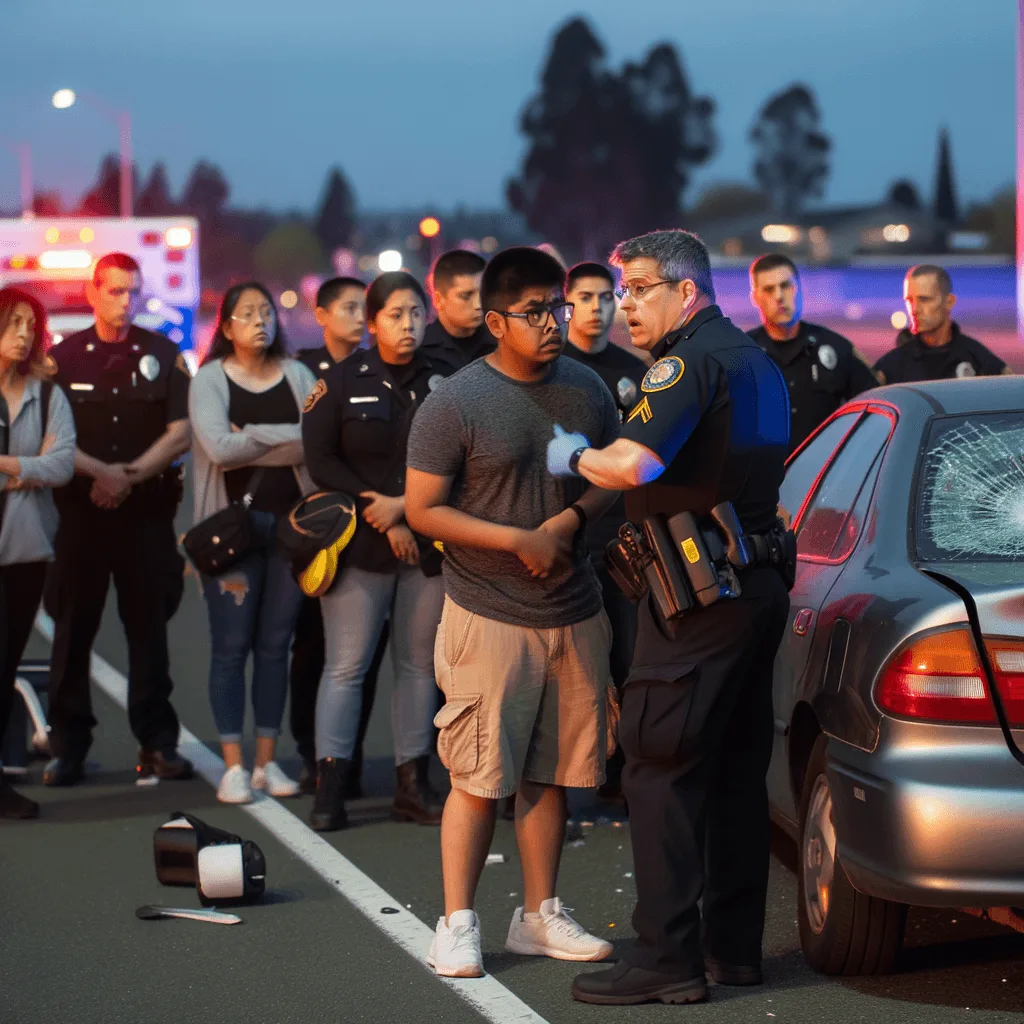
Let’s get into the nitty-gritty of what happened. According to reporting from East Idaho News, authorities responded to a serious collision on August 14, 2025, in Bonneville County. Police allege that the fatal crash marijuana driver—whose identity remains private—admitted to smoking marijuana earlier that same day. The incident tragically resulted in one death and renewed concern about cannabis-related driving incidents in the community. Recent debates on how local enforcement should handle similar marijuana cases have also emerged after events like the Calvert City citation controversy brought enforcement practices into the spotlight.
According to the police report filed with local prosecutors, the driver failed a roadside sobriety assessment but did not show clear signs of significant impairment at the crash scene. The affidavit quotes the driver: ‘Yeah, I smoked weed earlier—I didn’t think I was high anymore.’ Lab tests reportedly detected THC metabolites—a common finding, but not definitive proof of impairment at the time of the crash, as NHTSA explains. Cases like this raise questions about how well personal health and use circumstances are understood by law enforcement—a discussion also relevant as communities consider medical risks such as potential connections to kidney disease, further complicating cannabis policy decisions.
Local officials in Bonneville County are now pushing for tougher zero-tolerance enforcement standards. Meanwhile, civil rights advocates warn that reacting with blanket bans may blur the science. This particular Idaho fatal crash marijuana driver episode is now echoing in legislative hearings statewide, with public calls to clarify marijuana-impaired driving laws and update standards based on current research.
Expert Insights: Unpacking the Fallout, Trends & Cannabis Industry Response
So, what does this all mean in the broader scheme of things? First off, the Idaho fatal crash marijuana driver case shines a spotlight on persistent confusion between use and impairment. Unlike alcohol, THC doesn’t always signal current intoxication—the Drug Policy Alliance states, ‘Current testing methods cannot reliably determine real-time cannabis impairment.’ That’s a big deal, especially for people who use cannabis for wellness or as part of daily routines.
From a market perspective, this case lands amid explosive growth: U.S. cannabis sales hit $30 billion in 2023, and brands are launching education campaigns stressing responsible use, per data from BDSA Analytics. Industry groups like NORML have called for science-based policies, not knee-jerk reactions to tragic incidents. As NORML’s Deputy Director Paul Armentano shared in a recent interview: ‘Our society needs clarity between usage and impairment, otherwise, millions of law-abiding adults risk criminalization for past, not present, cannabis consumption.’ (NORML, 2023). Such momentum in public debate and market confidence can be seen in the impressive growth figures from companies, with some brands—like those in the beverage sector—showing marked profitability as investor interest in cannabis profits surges thanks to surprising business performance.
The fatal crash marijuana driver headlines certainly bring pressure for change, but they also fuel new research on cannabis impairment, roadside testing, and product labeling. This has forced regulators, scientists, and the cannabis sector to collaborate on fair, evidence-driven solutions. Education, transparency, and strong consumer data protections—discussed in recent conversations sparked by incidents such as the Ohio Marijuana Card data breach spotlighting privacy concerns—will be crucial as legalization and industry standards continue to evolve.
Looking Ahead: Cannabis Policy, Safety & Social Change
Despite negative headlines, the fatal crash marijuana driver case ultimately points to the growing pains of cannabis legalization. Incidents like these are tragic but rare, and they expose the urgent need for nuanced science over knee-jerk reaction. As more Americans embrace legal markets and demand clear rules, expect significant reform in how we define, detect, and deter cannabis-impaired driving. Already, states like California and Illinois are piloting new roadside tests and public education initiatives, according to Leafly’s expert analysis. Looking forward, the cannabis community, consumers, lawmakers, and scientists will shape more effective, just, and compassionate policies—ensuring that, as social acceptance grows, responsibility and safety grow too. The road ahead may be bumpy, but there’s no rolling back the evolving realities of legalization and mindful consumption.
Originally reported by: eastidahonews.com