



Statewide THC Product Ban: What the New Ban Means for You
If you enjoy keeping up with cannabis culture—or just care about personal freedom—the recent move for a statewide THC product ban is bound to grab your attention. With market trends swinging, state regulators pushing boundaries, and national conversations about THC intensifying, understanding this ban is crucial. The statewide THC product ban could upend access, disrupt both legal markets and local communities, and reshape business as usual. Stick with me for a deep dive into how this all affects your stash, your shop, and the road ahead.
Why Is This Happening? Background, Social Dynamics & Regulatory Context
It’s not just a random crackdown, the push for a statewide THC product ban comes on the back of years of legal tug-of-war. In the last decade, an explosion in hemp-derived and delta-8 products led to a sea of gray areas for states and regulators. According to Marijuana Moment, debates over cannabinoids’ legality run as deep as our collective appreciation for a smooth pre-roll: complicated and full of opinions. Several states have already implemented partial bans targeting certain high-THC hemp products, while others, including Texas and Alabama, are mulling full-out bans, citing youth safety, labeling transparency, and interstate commerce woes.
What really lights the fire? It’s the pressure from both public health advocates and law enforcement. The CDC and FDA have published warnings about unregulated THC derivatives, urging more oversight (FDA cannabis guidance). At the same time, the cannabis community, emboldened by increasing mainstream acceptance, argues these moves crush progress, choice, and legal business models. The market for THC products has boomed, with U.S. sales numbers topping $25 billion in 2023 (Benzinga industry report), fueling both innovation and regulatory headaches.
The spread of innovative compounds like limonene is just one of many ways the landscape continues to evolve (see how the zesty world of limonene is changing the industry in 2025). This sets the stage for the statewide THC product ban conversation: a clash between safety, policy, and personal liberty. The stakes? The very shape of tomorrow’s cannabis scene.
Key Developments: What’s the Deal with the Statewide Ban?
The latest twist? County commissioners met in late August 2025 to pass a resolution supporting a proposed statewide THC product ban. According to recent reporting by KCBD News, their resolution is non-binding but represents mounting momentum for legislative action. Local leaders cited concerns about the availability of potent delta-8 and delta-9 products in gas stations and convenience stores—claiming loopholes in federal hemp laws (see also: the 2018 Farm Bill) have opened doors regulators never intended.
The commissioners’ official statement highlights potential risks to young people, lack of standardized testing, and uncertainty for law enforcement. The move closely mirrors efforts in other states like Utah and Kentucky, where state agencies have pushed to seal gaps and bring all THC-containing products under stricter controls. Legal experts note that should the state legislature follow through, thousands of retailers could be affected and supply chains entirely reworked.
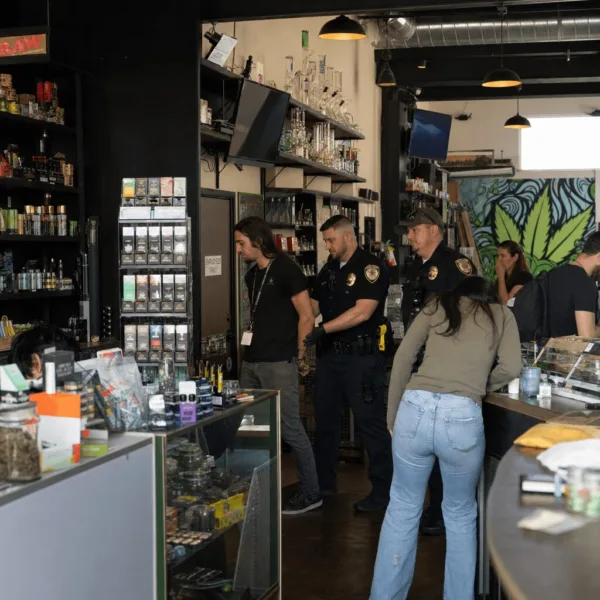
Industry pushback has been especially vocal in states targeted by aggressive enforcement and regulation, as seen in recent South Dakota hemp sting operations that shook the market and inspired calls for reform. On the ground, retailers and consumers are caught in limbo. With news breaking on August 25, 2025, shop owners scrambled to assess their inventory and compliance status, while consumers wondered whether their go-to gummies or tinctures might soon vanish from shelves. The vote, though not yet law, sends a strong signal: state authorities want a tighter leash on THC product sales, especially in the wake of national pressure and mounting calls for clear, enforceable rules (as dissected by NORML News).
Expert Analysis: The Ban’s Big Picture, Industry Trends & The Cannabis Case
Here’s where it gets real: While the statewide THC product ban reflects growing impatience with loophole exploitation, it also highlights deeper rifts in U.S. cannabis policy. As state and federal cannabis laws drift further apart, businesses operate in a state of high anxiety. According to Leafly’s 2024 Cannabis Jobs Report, more than 400,000 jobs now depend on state-legal cannabis, and bans—or even the threat of them—create uncertainty throughout the vertical.
The industry’s brightest minds have weighed in. “Broad bans endanger legal progress and empower the unregulated market,” notes NORML’s Deputy Director Paul Armentano (NORML source). This sentiment is echoed by the National Cannabis Industry Association, which warns that overregulation risks stifling product innovation and access for patients and responsible adults alike. Major effects of a statewide THC product ban could include:
- Displacement of consumers to illicit or untested products
- Loss of tax revenue for communities
- Increased enforcement costs, with limited public health gains
- Negative impact on small and minority-owned cannabis businesses (struggles faced by California’s small cannabis farmers offer a window into these industry-wide challenges)
These laws, sparked by federal ambiguity and uneven enforcement, create patchworks that confuse everyone, shops, patients, law enforcement, and the public. Expert analysis from Health Europa confirms that robust, sensible regulations work best when they balance safety and access, rather than resorting to blanket bans. Industry veterans remind us that the U.S. cannabis scene didn’t become the world’s largest market through prohibition, it happened by listening to science, communities, and common sense.
The Road Ahead: Hope, Progress, and the Evolving Cannabis Landscape
So where does this leave cannabis fans, entrepreneurs, and anyone affected by a statewide THC product ban? In the short term, expect policy drama, possible inventory shake-ups, and robust debate throughout the statehouse and local shops. But zoom out, and a bigger story emerges. According to Forbes, the U.S. cannabis market is set for long-term expansion as social acceptance, medical breakthroughs, and economic incentives (taxes, jobs, innovation) outweigh periodic setbacks.
Most experts agree: With responsible regulation, transparent labeling, and a seat at the table for consumers and small businesses, the future remains green—and the community stronger and more sophisticated with every twist in the law. Even in the face of a statewide THC product ban, the push for balanced, science-driven policy builds momentum. Stay informed, speak up, and remember: progress takes hustle, but the roots of this movement run deep.
Originally reported by: kcbd.com