


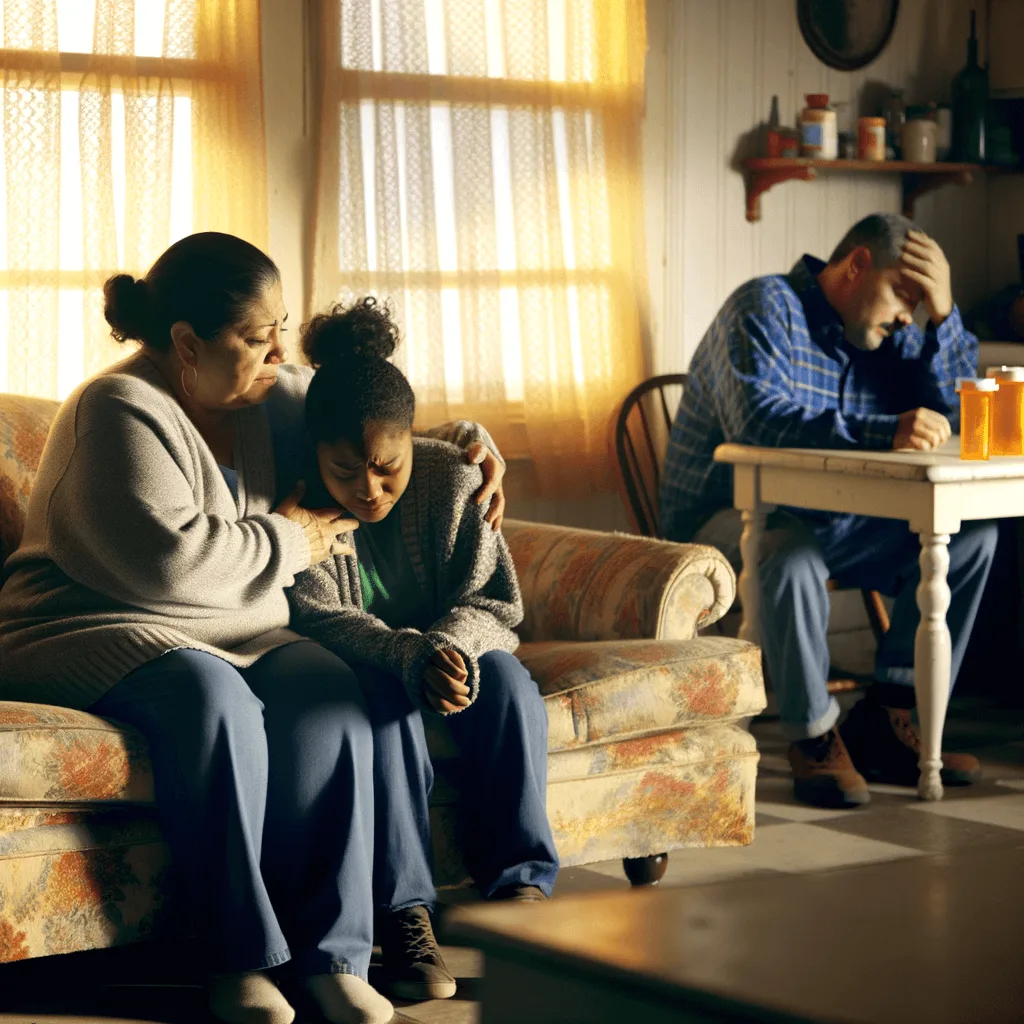
Secondhand Drug Harms: Shocking Impact on Families Revealed
Secondhand drug harms are catching headlines everywhere as families, health experts, and industry advocates debate what really happens when substance use casts a shadow beyond the individual. With cannabis moving mainstream, alcohol flowing at every social gathering, and prescription drugs present in millions of households, understanding secondhand drug harms is more urgent than ever. This isn’t just about what people put in their own bodies—it’s about the ripple effects crashing through homes, relationships, and entire communities. Recent studies are laying bare the staggering scope of these harms, forcing us—especially those of us who champion responsible cannabis use—to step up and unpack the full story with nuance and honesty. Let’s break down the latest findings, legal landscape, and what the future holds for a safer, saner approach.
The Social, Regulatory, and Market Landscape of Secondhand Drug Harms
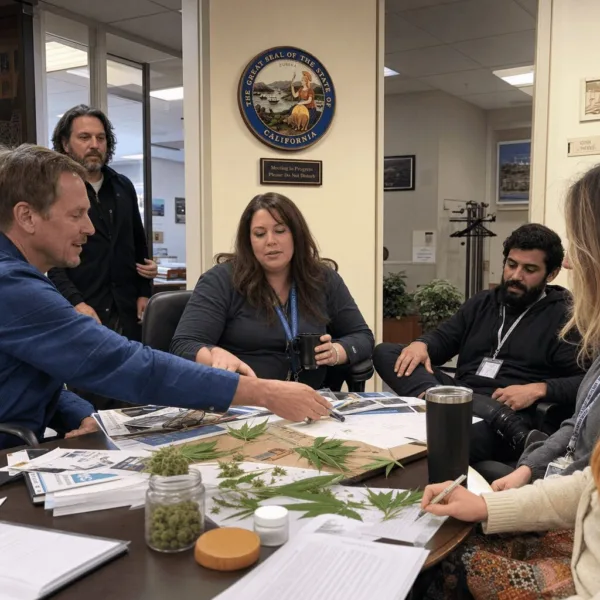
America’s history with substance use has always been a heady cocktail of changing laws, family values, and evolving science. For decades, secondhand drug harms were a concern mostly tied to tobacco smoke, think those infamous anti-smoking PSAs and “no smoking” zones springing up in schools and public parks. But as the CDC reports, “secondhand” effects from alcohol, cannabis, and other substances are now moving into the national spotlight. States are constantly tweaking regulations, with cannabis legalization roaring ahead in markets like California and Illinois, and alcohol regulation barely keeping up with new research on harms to families and bystanders. Medical and recreational use collide with questions of public safety, and researchers scramble to map out exactly how these secondhand drug harms show up in American homes. As red tape continues to be untangled in various states, the recent competitive licensing process in Red Wing showcases how legal policies are shaping market opportunities for cannabis and influencing social norms around substance use. With the U.S. opioid crisis and cannabis normalization happening side by side, regulators and advocates face a tricky challenge: protect public health without fueling tired stigma, especially as peer-reviewed analysis underscores the complexity of substance-related household dynamics.
New Study Unveils the Reality of Secondhand Drug Harms in U.S. Families
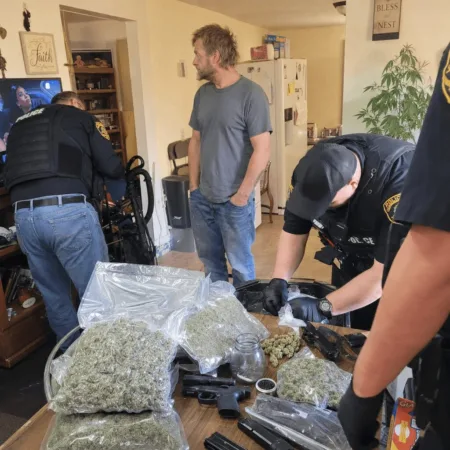
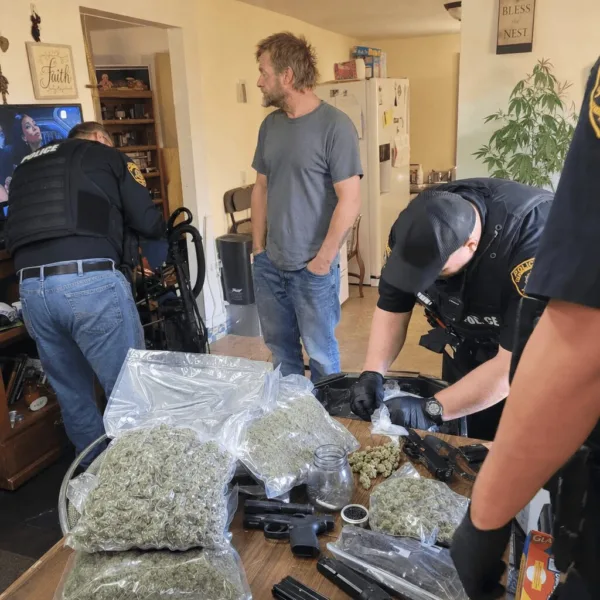
Major research from the Public Health Institute just dropped a truth bomb: secondhand drug harms are more common, and more severe, than most people realize. The study, which surveyed U.S. adults affected by others’ alcohol, cannabis, or drug use, finds that nearly one in five reports serious “spillover” impacts on family health, finances, and emotional well-being (Public Health Institute, 2024). Families aren’t just dealing with awkward holiday dinners, real harm shows up as violence, property damage, social isolation, and job loss.
- Cannabis: Reported secondhand harms were less frequent than with alcohol, but concerns over child exposure and accidental ingestion are rising as edibles become common household snacks, a worry heightened in places setting national legal precedents, such as Florida’s court ruling on cannabis and related rights.
- Alcohol: The king of secondhand drug harms, alcohol causes roughly twice the family disruptions reported with cannabis—most notably through aggression, financial strain, and impaired caregiving, according to data from CDC and Rutgers University.
- Opioids and Others: A smaller percentage of families face secondhand drug harms due to prescription misuse, accidental poisoning, or emotional fallout from addiction.
The study digs deep into demographics: women and children, especially in lower-income households, bear the heaviest burdens. The numbers drive home that secondhand drug harms aren’t just an urban or rural problem, they stretch across neighborhoods, age groups, and every type of American family. The report calls for urgent policy action, better education, and creative prevention efforts from health agencies and community leaders.
Expert Analysis: Unpacking Harms, Hype, and a Pro-Cannabis Perspective
This latest research throws shade at all intoxicants, not just cannabis. As Filter Magazine notes in recent industry commentary, “Drug harms happen in context. Blaming the plant, not the pattern, is missing the human story.” For cannabis, the numbers don’t lie: families report fewer and less severe secondhand drug harms compared to alcohol or opioids. That’s a crucial distinction. Industry experts, referencing decades of peer-reviewed cannabis studies, point out that the plant’s safety profile is far better understood than ever before, and regulations make accidental exposure less likely as legal products are tightly labeled and tracked. For those seeking a supportive community, medical cannabis patient stories highlight how stigma can be broken and hope can be restored through access to information and resources. Dr. Amanda Reiman, a well-known advocate and scholar, reminds us, “Stigma doesn’t protect families, education and regulation do. Treating all drugs as the same only keeps people in the dark.” (Marijuana Moment). While the secondhand drug harms debate rages on, she urges policymakers to focus on harm reduction, not scare tactics. That means supporting public education campaigns, investing in safe packaging, and ensuring that parents have credible facts about all substances, not just the ones that scare headlines.
The Road Ahead: Balancing Caution, Community, and Cannabis Normalization
Secondhand drug harms are real—and the cannabis community isn’t shying away from that conversation. But these findings also reinforce why clear, evidence-based policy is non-negotiable. The path forward? More honest science, less stigma, and public health regulations that don’t punish responsible consumers. Social acceptance of cannabis continues to climb: Gallup polls show record-high approval, and states with smart regulation are seeing a drop in legacy market harms. Families deserve straight talk and safe choices—not fear or confusion. As respected analysts at Brookings Institution emphasize, the cannabis industry has a unique chance to lead with transparency, set gold standards for safety, and push all sectors—alcohol, pharma, and beyond—to higher accountability. Here’s to a future where secondhand drug harms get outshined by secondhand benefits: community trust, better policy, and healthier homes for everyone.
Originally reported by: phi.org