


Trump Cannabis Rescheduling Decision: What Happens Next?
The world of cannabis policy just got spicier, and everyone from legacy growers to Wall Street analysts is buzzing. The Trump cannabis rescheduling decision is making headlines again, igniting debates about what full rescheduling—or even a hint of it—could mean for an industry balancing on the edge of big federal change. If you’re involved in cannabis, banking, or just tired of tiptoeing around contradictory laws, this news hits home. Let’s break down what’s happening, why it matters today, and what comes next for weed warriors and policy pros alike.
Background: How the Regulatory Map Built to the Trump Cannabis Rescheduling Decision
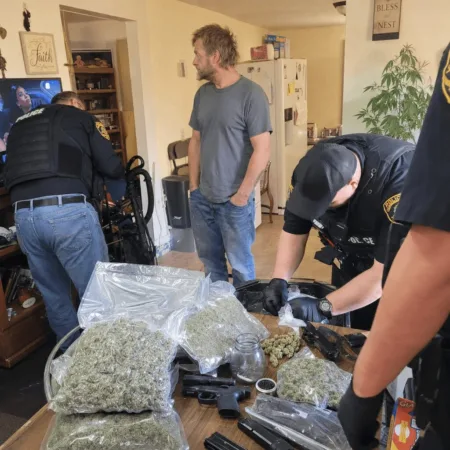
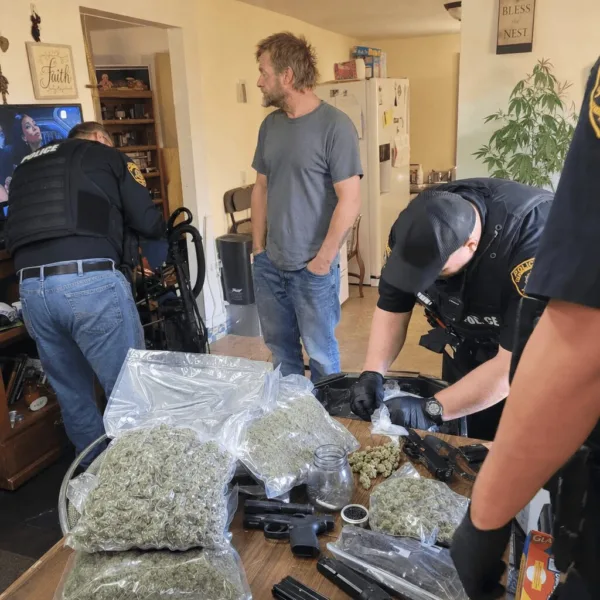
To understand the Trump cannabis rescheduling decision, you have to appreciate America’s wild web of cannabis laws. Right now, cannabis sits stubbornly at Schedule I under the Controlled Substances Act (CSA), reserved for drugs with no accepted medical use and a high potential for abuse. This makes life tough for legit cannabis businesses, squeezing them out of normal banking and tax rights and keeping the ‘green rush’ from going mainstream. According to the Marijuana Policy Project, over 20 states have legalized adult-use cannabis, while medical marijuana is legal across three-quarters of U.S. states—creating a patchwork that confuses consumers and entrepreneurs alike. Regulations, of course, can also leave patients caught between access and law enforcement, a situation especially visible in cases where medical rights intersect with other legal concerns, as seen in recent stories about medical marijuana and gun rights in Florida.
Historically, federal rescheduling has been as elusive as a unicorn dab rig. Yet, the political tides are shifting, pushed by growing bipartisan pressure, industry lobbying, evolving scientific research, and, let’s be real, a massive multibillion-dollar legal market. With prominent public polling (think Pew and Gallup) showing majority support for legalization, everyone’s watching for a federal change to open up new business, equity, and research opportunities. Enter, the Trump cannabis rescheduling decision.
Key Developments: What’s in Play With the Trump Cannabis Rescheduling Decision?
Here’s where things get juicy, Donald Trump, during recent campaign rallies and interviews, has signaled an openness to reevaluating cannabis’s Schedule I status. This hints at a possible Trump cannabis rescheduling decision that could move cannabis down to Schedule II or even III, making it easier for researchers and medical providers to access the plant. According to recent coverage in The Hill, Trump suggested he is “looking at all options” and understands the “economic realities” facing legal cannabis operators.
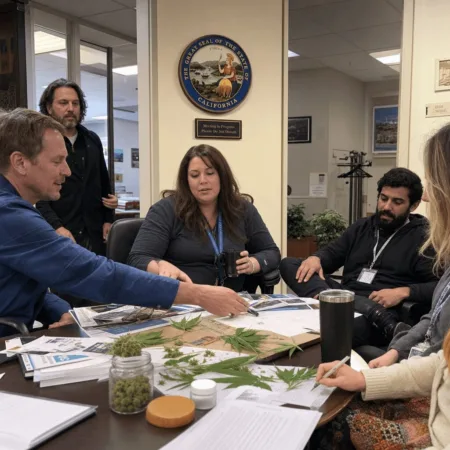
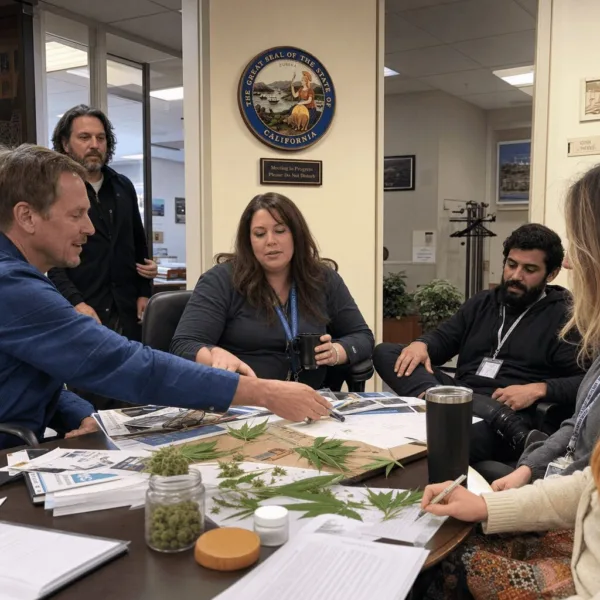
These public signals follow a formal recommendation by the U.S. Department of Health and Human Services (HHS) in August 2023 that cannabis be rescheduled to Schedule III. The DEA is now tasked with evaluating HHS’s recommendation, one of the biggest steps toward federal acknowledgment that cannabis has medical value. At the same time, industry giants like Trulieve and Curaleaf are lobbying hard in D.C., while advocacy organizations push for not just rescheduling, but outright descheduling to enable true federal legalization.
These Trump-era moves come as state-level reforms continue to rack up, for example, Ohio recently went legal, and the impact of such legalization is now unfolding as pre-roll cannabis sales are sparking change statewide, all adding pressure on the feds to stop lagging. Meanwhile, the SAFE Banking Act still waits for Senate action, held up by broader political gridlock. As officials from Illinois note, regulatory uncertainty makes it tough for licensed operators to secure capital and plan long-term investments.
Expert Analysis & Insights: Decoding the Trump Cannabis Rescheduling Decision
The Trump cannabis rescheduling decision could have a seismic impact, both for everyday consumers and industry titans. Moving cannabis from Schedule I would finally allow state-licensed businesses to access basic banking or deduct normal expenses (thanks, IRS Section 280E). This isn’t just abstract policy—real people’s livelihoods ride on it. According to Leafly’s expert coverage, rescheduling could “help unlock federal research funding, reduce criminal penalties for possession, and signal Washington is catching up to the people.”
Not everyone in the community is rolling up and celebrating yet. Some experts warn that rescheduling (from Schedule I to II or III) might not solve all problems, and could still keep cannabis tightly regulated, subject to FDA oversight, or even prioritize Big Pharma interests. “This decision is just the first domino,” says Aaron Smith, co-founder of the National Cannabis Industry Association. “True progress comes when cannabis is descheduled—then, small businesses and patients can truly benefit.” (NCIA)
Still, most analysts agree the Trump cannabis rescheduling decision would push the conversation from political football to pragmatic reform. It sends a message that cannabis policy is maturing, and shows that even conservative leadership sees the writing on the wall. International eyes are watching, too, as the U.S. sets global standards that ripple throughout the industry, according to reports by Forbes Business Council. On the regulatory front, as new markets launch—such as New York’s adult-use market—legal battles and compliance hurdles emerge, putting the spotlight on retailers as they fight back in high-stakes legal showdowns.
Outlook: Where Will the Trump Cannabis Rescheduling Decision Take Us?
The Trump cannabis rescheduling decision could tip the balance on how cannabis is treated in America—legally, economically, and culturally. While the outcome is still up in smoke (pun intended), rescheduling represents genuine momentum toward a more rational, equitable industry. As acceptance grows and federal policy adapts, opportunities for innovation and social equity can bloom. MarketWatch and NORML both predict continued state-level expansion and eventual federal reform—whether in Trump’s next term or not. So, keep your grinders close and your policy updates closer; the world of weed is about to get a little more civilized, one decision at a time.
Originally reported by: jdsupra.com