



Federal Marijuana Prohibition Anniversary: Time for Change?
Another federal marijuana prohibition anniversary is upon us, and, truthfully, the timing couldn’t be better—or worse, depending on your mood. We’re in the middle of a cannabis renaissance, yet federal law still acts like it’s 1937. As more states rake in record-breaking tax revenue and Wall Street eyes weed stocks, old laws cast a shadow over progress. This year’s federal marijuana prohibition anniversary is a moment to reflect on decades of missed opportunities, broken lives, and—finally—growing calls for change. Whether it’s activists, lawmakers, or regular consumers, everyone’s feeling the urgency. Trust me, this isn’t just another date on the calendar; it’s a rallying cry for the cannabis industry and everyone fighting for fair policy. Let’s break it all down and see why this federal marijuana prohibition anniversary matters more than ever.
How Did We Get Here? Understanding the Federal Marijuana Prohibition Anniversary
The story behind the federal marijuana prohibition anniversary begins in 1937 with the Marihuana Tax Act, which criminalized cannabis at the federal level in the U.S., despite minimal scientific basis and plenty of racially charged rhetoric. Over time, anti-cannabis policies expanded, culminating in the 1970 Controlled Substances Act, which lumped marijuana with dangerous drugs like heroin—classifying it as Schedule I, meaning no accepted medical use and a high potential for abuse (according to the DEA).
Decades of “War on Drugs” enforcement disproportionately targeted communities of color, leading to mass incarceration and countless ruined lives. In recent years, though, the tides have shifted. Gallup polls show nearly 70% of Americans now support legalizing cannabis (Gallup, 2023). Dozens of states have medical or recreational laws on the books, fleecing billions from illicit markets and redirecting those dollars to schools, infrastructure, and healthcare programs. All of this makes the federal marijuana prohibition anniversary a marker of outdated policies clashing with modern reality.
Key Developments: 88 Years of Federal Prohibition and New Momentum
On this federal marijuana prohibition anniversary, it’s impossible to ignore the core facts. The Marihuana Tax Act was enforced on August 2, 1937, setting in motion a nationwide ban that’s lasted 88 years and counting (National Archives). In the decades since, the effects have been immense—from criminal records for simple possession to widespread stigma affecting employment, housing, and education.
But the last five years have seen rapid changes. As of 2024, 24 states plus D.C. have legalized adult-use cannabis, while 38 permit medical use (NCSL). Major shifts have happened at the ballot box, with voters in Ohio and New York embracing legalization, and even traditionally conservative states like Oklahoma entertaining reform.
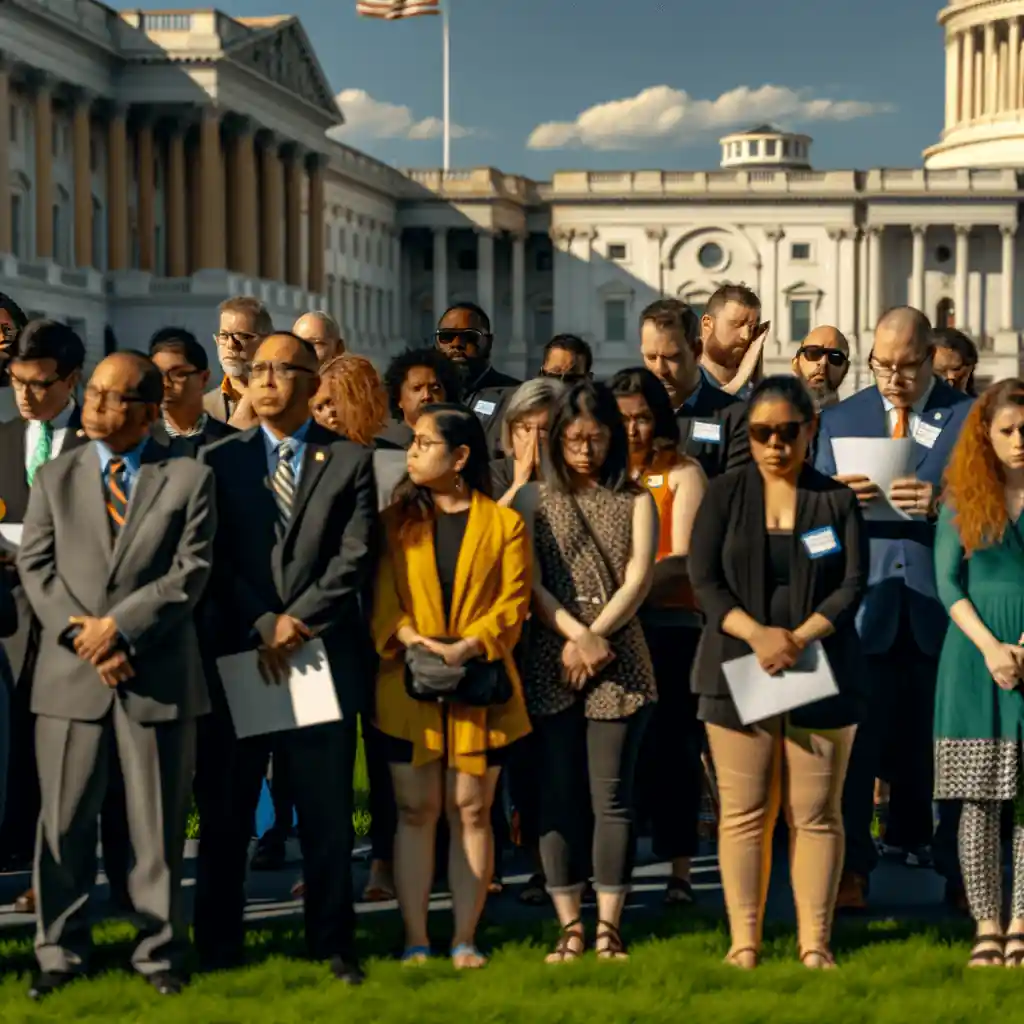
Significantly, Congress is finally paying attention. In 2022, the House passed the MORE Act, aiming to deschedule cannabis and expunge federal records. The Senate has debated the SAFE Banking Act, which, if passed, would grant cannabis businesses access to legitimate banking—a major industry headache cited by U.S. Senate Banking Committee meetings. These legislative moves coincide with public pressure. Activists march in Washington every year on the federal marijuana prohibition anniversary, reminding the nation of ongoing harm. Plus, leading economists now project that a fully legal market could create over 1 million jobs and deliver $100 billion in annual tax revenue (New Frontier Data).
Expert Analysis: Prohibition’s Toll and Winds of Change
So what does this federal marijuana prohibition anniversary actually represent? For those in the know, it’s a symbol of both grit and gridlock. Prohibition was always more about politics than public health. Even the American Medical Association objected to the original ban, citing legitimate therapeutic uses for cannabis (JAMA).
Dr. Amanda Reiman, a respected policy expert and cannabis advocate, once said: “Prohibition has failed on every front—it never protected public health, it destroyed families, and it made criminals out of otherwise law-abiding citizens” (Marijuana Moment). Her words capture the frustration and determination behind this anniversary’s activism. In my work advising emerging cannabis markets, I’ve seen how outdated federal laws block everything from access to banking to interstate commerce, stifling innovation and expanding illegal markets. Industry voices echo this theme: federal marijuana prohibition continues to hobble progress despite a booming state-legal market valued at over $34 billion in 2023 alone (Cannabis Business Times).
This year, leading national groups—from the National Organization for the Reform of Marijuana Laws (NORML) to the Drug Policy Alliance—renewed calls for reform, urging Congress to end the status quo. State-level successes provide a functional blueprint for responsible legalization and regulation. However, as long as cannabis sits on Schedule I, banks, insurance providers, and researchers remain leery or outright barred from participation, slowing the industry’s potential and leaving access uneven.
Looking Forward: Breaking the Chains of Prohibition
The federal marijuana prohibition anniversary isn’t just a time to vent—although that’s a time-honored tradition among advocates. It’s a benchmark for progress and a motivator to keep pushing. If current trends hold, the question may shift from “if” to “when” federal cannabis reform happens. Legalization’s momentum is undeniable; support cuts across age, region, and even political party. Major publications predict that Congress will eventually have to reconcile federal law with evolving state markets, likely starting with financial reform and research access (Forbes).
On this federal marijuana prohibition anniversary, let’s recognize the real impact of stubborn laws, salute the progress that’s been made, and keep our eyes peeled for what comes next. The cannabis industry’s resilience, public support, and commitment to justice are pushing American policy—ever so slowly—toward sanity. The future looks green, and if history is any guide, change is only a matter of time. Celebrate this federal marijuana prohibition anniversary with hope, resolve, and maybe a few educated puffs in honor of what’s to come.
Originally reported by hightimes.com