Albert Lea Dispensary License Denial: What Happened Next?
The buzz around Minnesota’s growing cannabis scene just hit a plot twist, as the much-watched Albert Lea dispensary license denial has added fresh fuel to statewide debates on local policy. With legal recreational markets opening up, this moment matters. Operators, advocates, and everyday Minnesotans want to know: are the gates swinging open, or staying stubbornly shut? Read on for the play-by-play, expert takes, and what this means for the future of legal cannabis—here and everywhere.
Understanding the Landscape: Minnesota’s Regulatory and Social Backdrop
Cannabis legalization journeys are never a straight line, especially in the upper Midwest. Minnesota’s adult-use marijuana law, effective August 2023, was designed to ensure an orderly and equitable rollout, according to MPR News. Municipalities retain the right to manage local zoning and approve dispensary licenses, reflecting what some view as caution, and others, inevitable regulatory growing pains. Socially, attitudes are shifting fast. Support for recreational cannabis legalization in Minnesota has crossed the majority threshold, as reported by Pew Research. The result? A patchwork of green lights and red stops as communities decide how cannabis fits their specific character and local politics.
Key Developments & Issues: The Albert Lea Dispensary License Denial
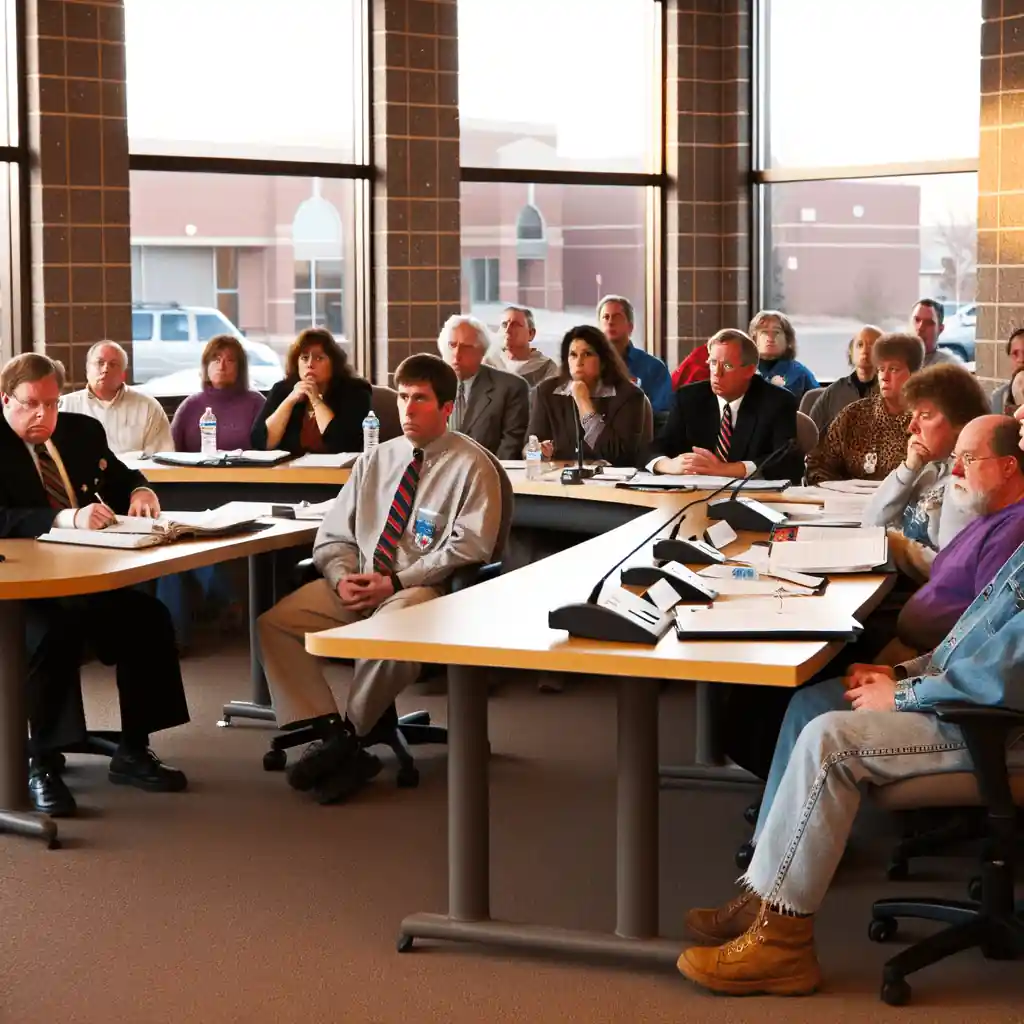
Here’s what sparked the recent controversy: On March 25, according to Bring Me The News, the Albert Lea City Council reviewed a proposal for Roots 2 Remedies to open the city’s very first non-tribal marijuana dispensary. Despite meeting business application criteria, the council voted 4-3 against issuing the license. The decision rested largely on zoning concerns and the proximity of the proposed site to a day care facility, triggering debate over whether site-selection standards were being applied consistently. The denied business, Roots 2 Remedies (a woman-led, Minnesota-based operation), stated on record that their goal was to offer safe, regulated access for local adults, and pointed out that their location actually exceeded required distance set-backs, as laid out in state law. The council’s decision follows a wave of similar municipal opt-outs and denials in newly legal states, as highlighted in Marijuana Moment. For the local business community, the message was clear: there are still real barriers to entry, even after legalization on the books.
Expert Analysis & Insights: What Does This Mean for the Industry?
Let’s cut through the haze. The Albert Lea dispensary license denial is far from an isolated episode; it’s emblematic of tensions playing out nationwide as new cannabis markets find their footing. Industry analyst Emily Leinwand, featured in Cannabis Business Times, put it bluntly: “Local resistance is often more about ingrained perceptions than hard evidence, but with clear regulation and community talks, most cities come around.” With Minnesota’s Office of Cannabis Management tightly regulating legal dispensaries and emphasizing compliance, these local hurdles risk narrowing market opportunity and undermining equity goals, notes recent state filings. Still, advocates point to positive trends: increasing public support, surging legal revenues, and a steady decline in cannabis-related stigma, according to NORML. The big takeaway? Hiccups like Albert Lea’s are bumps—not roadblocks—on a bumpy road to normalization.
Lessons, Silver Linings, and the Road Ahead
Even after the Albert Lea dispensary license denial, optimism remains the real green in this story. State trends show momentum is on the industry’s side, as Minnesota continues to implement its adult-use framework—a point echoed by industry tracker Leafly. Every denied license renews urgency around regulatory clarity, public education, and constructive dialogue between city halls and the canna-community. Expect refinements to state guidance, deeper local consultation, and more entrepreneurial Minnesotans stepping up. In short: it might’ve been a no this time, but the future’s looking bright. For now, Albert Lea’s experience is another reminder that lasting change doesn’t happen overnight—but it does happen, one debate, vote, and advocate at a time.
Originally reported by bringmethenews.com