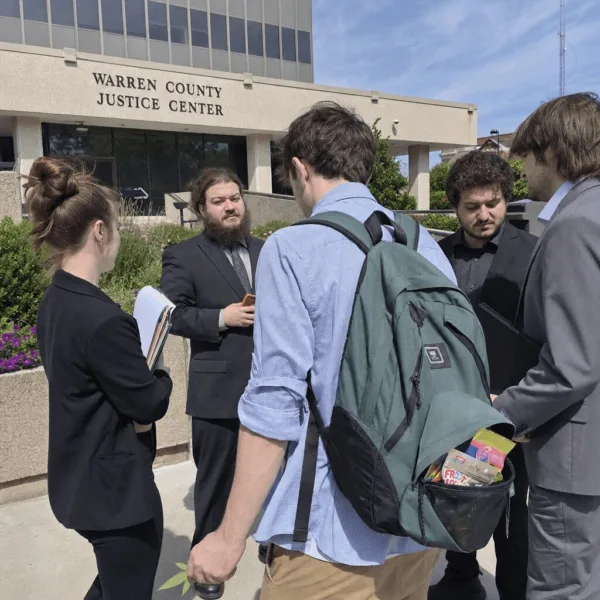



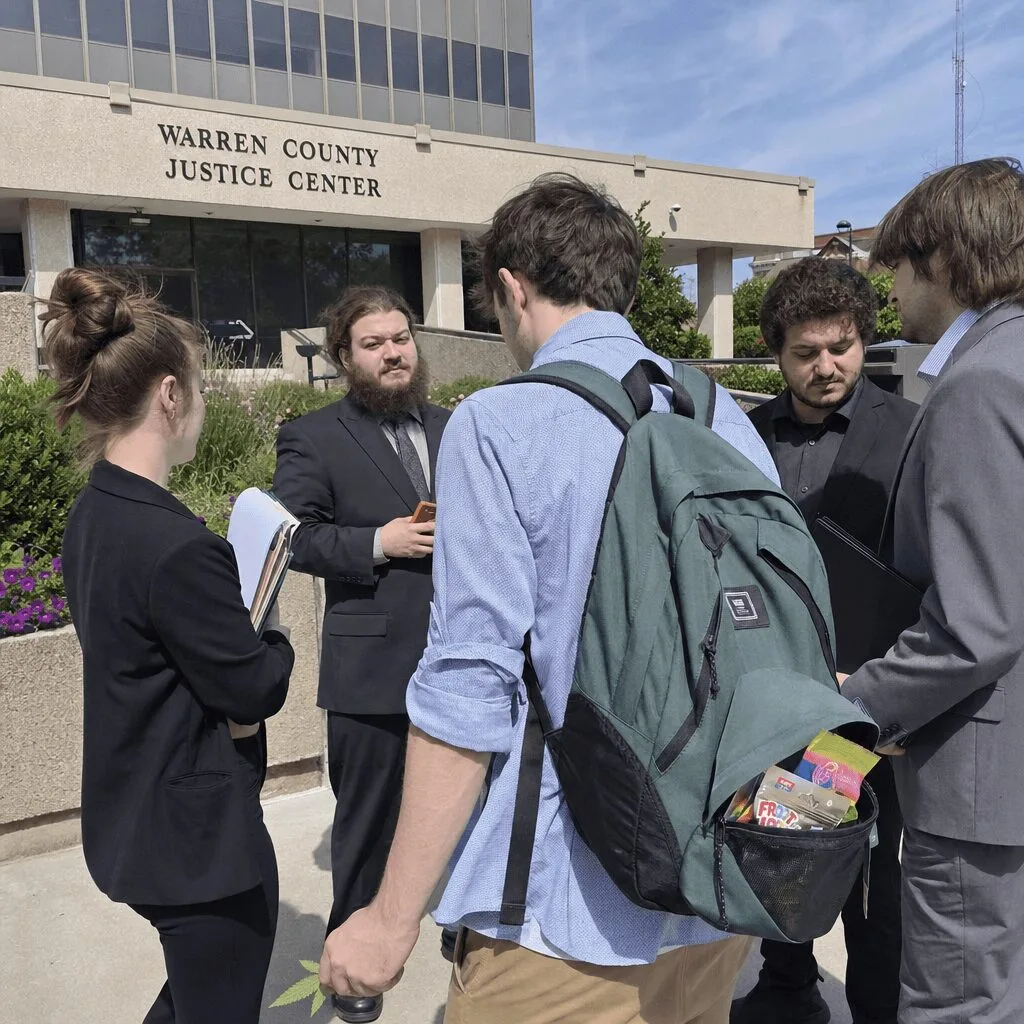
The recent wave of Warren County indictments is making headlines, igniting heated discussions about the intersection of law enforcement, cannabis, and community values. With public attitudes shifting and industry progress accelerating in 2024, understanding the implications of these grand jury outcomes has never felt more urgent. This guide dives deep into how Warren County indictments reflect evolving social norms, where regulatory priorities stand, and what these developments mean for both advocates and critics of cannabis reform.
Understanding the Landscape: The Legal, Social, and Regulatory Backdrop
The legal status of cannabis remains a patchwork across the United States, with each region laying its own groundwork for regulation. In Kentucky, cannabis reform has consistently sparked debate, as seen in recent Cannabis Business Times legal updates. While adult-use cannabis legislation lingers in the legislative pipeline, medical marijuana measures have slowly advanced, albeit amid controversy. Social attitudes are changing, too. Recent Pew Research Center surveys reveal nearly 90% of Americans support some form of cannabis legalization. Warren County, known for its vibrant Bowling Green community, finds itself at the crossroads between cautious regulators and a progressive, pro-cannabis public. As we unpack Warren County indictments in this context, remember, these cases don’t unfold in a vacuum, they represent broader market and policy forces at work.
Key Events: What the Latest Warren County Indictments Reveal
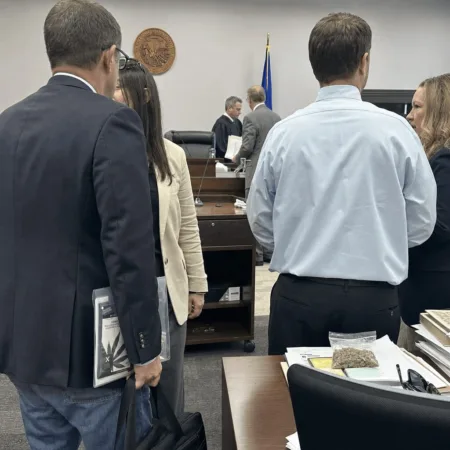
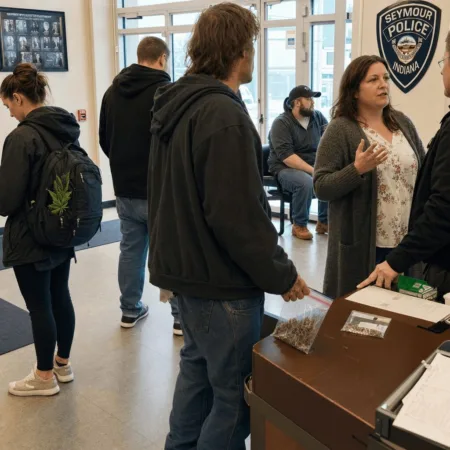
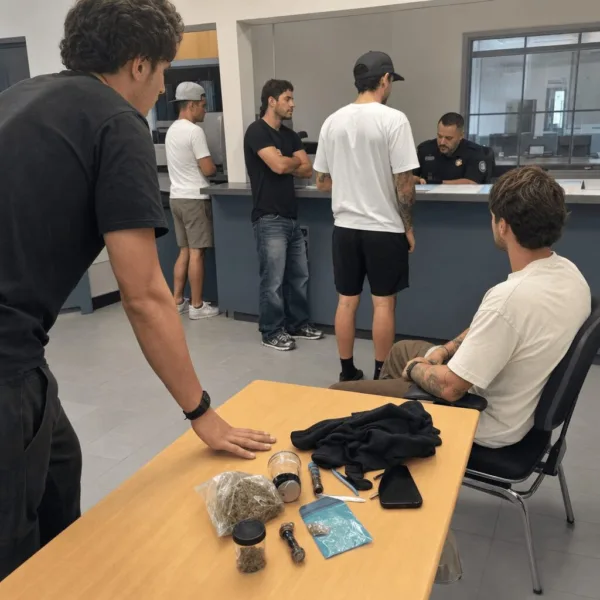
According to BG Daily News, the Warren County grand jury convened in July 2024 and handed down a series of indictments that have rippled throughout the area. Notably, several indictments touched on cannabis-related offenses—some focused on alleged distribution and possession with intent, while others stemmed from smaller, personal-use accusations. Community complaints have played a significant role in these decisions, reflecting concerns similar to those seen in other locations, like the arrest record trends in Seymour. The indictments include both first-time defendants and individuals with prior records, illustrating the spectrum of legal exposure even under near-identical circumstances. The grand jury’s decisions come as Kentucky’s own cannabis laws are under legislative reconsideration, according to local reporting and legislative trackers. While the specifics of each Warren County indictment vary, the totality represents a system still wrestling with rapidly changing public opinion and contradictory enforcement priorities. Companies, individuals, and entire neighborhoods are feeling the impact, from courthouse steps to living rooms across Bowling Green.
Expert Analysis: What the Warren County Indictments Mean for Cannabis Advocacy
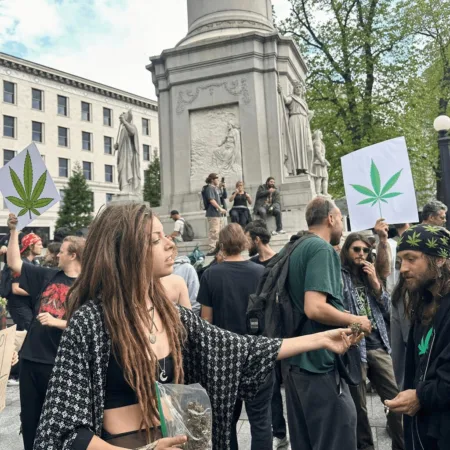
Cannabis advocates, including Kentucky NORML and local reform groups, see the Warren County indictments as symptomatic of outdated enforcement models. “We’re watching a generational shift in how cannabis crimes are prosecuted—and it’s not keeping pace with what residents really want,” said Kentucky NORML director Tanya Goodwin. Legal experts point to a disconnect between state and federal law, as well as patchy regional enforcement. Industry analysts echo these concerns, noting that ongoing uncertainty around cannabis prosecution can jeopardize business and individual rights—concerns that mirror lessons learned from developments like recent rescheduling risks for consumers. According to MJBizDaily, Kentucky lags behind neighboring states in creating regulatory clarity, leaving citizens, entrepreneurs, and lawmakers all second-guessing what comes next. The Warren County indictments illuminate how enforcement remains stubbornly inconsistent, despite clear evidence of changing public attitudes and national reform momentum.
The Road Ahead: Optimism Amid Uncertainty for Warren County and Beyond
Even as Warren County indictments continue to draw scrutiny, the larger trend is one of progress. Grassroots advocacy, public support, and industry growth are gradually nudging Kentucky toward a more modern regulatory framework, as outlined in Law360’s 2024 cannabis law overview. The tension seen in Warren County is, in many ways, part of the necessary (and sometimes messy) process of social change. Each case puts a human face on the ongoing fight for sensible cannabis policy—and keeps the broader movement for reform in the spotlight. Looking ahead, expect the ripple effects of these Warren County indictments to fuel even more urgent conversations about criminal justice reform, community health, and the promise of a fair marketplace. With more informed debate and comprehensive reform, Kentucky’s cannabis landscape could soon move from patchwork to progress—a future that’s closer than it might appear today.
Originally reported by: bgdailynews.com